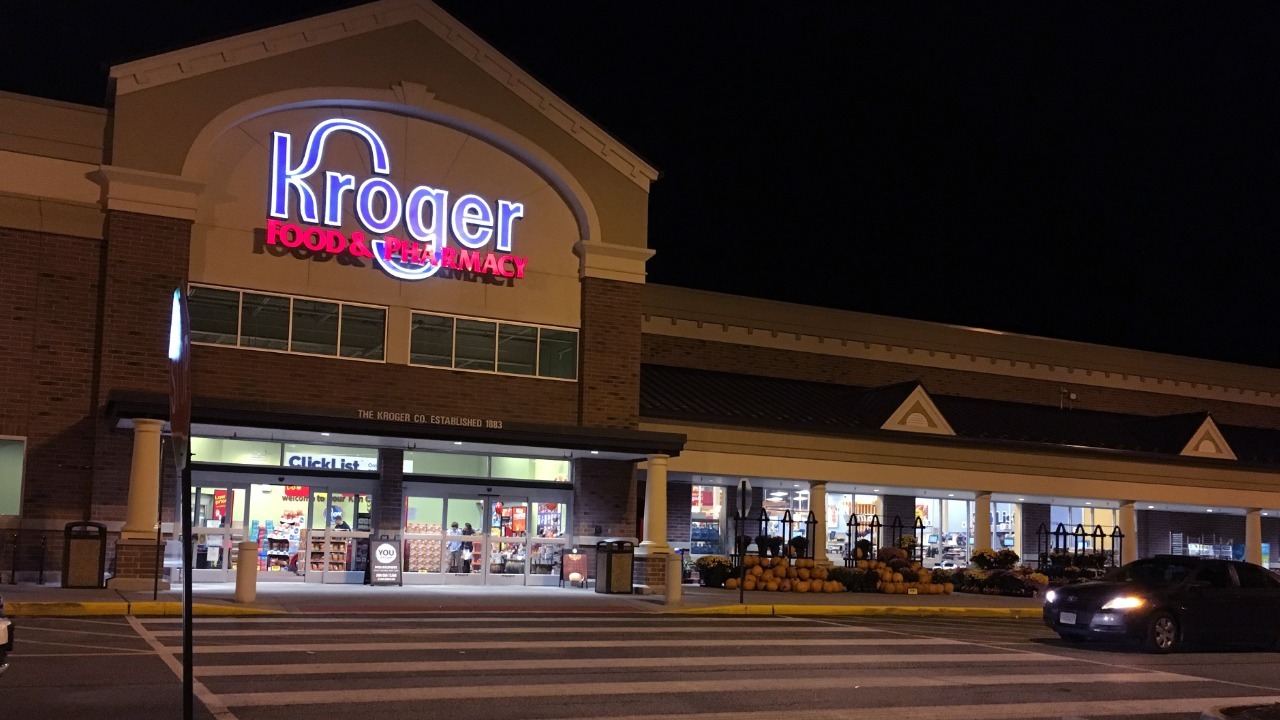
Kroger is dismantling part of its high-tech delivery experiment, shutting several robot-powered fulfillment centers so it can lean harder on stores and third-party drivers to get groceries to customers faster and at a lower cost. The shift marks a sharp turn away from a pure warehouse model toward a hybrid approach that treats physical supermarkets as the backbone of online orders. I see it as a recognition that speed and profitability now matter more than futuristic optics in the post-COVID delivery market.
The company is not abandoning automation altogether, but it is rebalancing where and how it uses it, and how much it is willing to spend to chase online growth. That recalibration carries big implications for workers in the affected facilities, for partners like Ocado, and for rivals that copied or considered similar centralized robot hubs.
The robot pullback and a $400 million profit swing
Kroger is closing three large automated fulfillment centers that were designed to anchor its online delivery network, a move that effectively concedes the original model was too slow and too expensive for the current market. The company has told investors that the closures, combined with a broader reset of its e-commerce operations, are expected to lift its digital operating profit by approximately $400 million in 2026, a figure that underscores how much money was being left on the table under the old setup. In a separate update, Kroger has also said it expects these changes to have a positive effect on e-commerce operating profit of approximately $400 m, reinforcing that the financial stakes of this pivot are central to its strategy.
The closures are not happening in a vacuum. The automated facilities were built with Ocado technology, and as Kroger backs away from some of those sites, Ocado has said it will receive over $250 million tied to the change in plans. That payout, described as more than $250 m, highlights how capital intensive the robot-center experiment has been and how costly it is to unwind. Kroger has stressed that it will continue to use large automated warehouses in regions with heavy online grocery demand, but it is clearly narrowing the footprint of that model as it shifts to a hybrid e-commerce mode that blends warehouses, stores, and delivery partners.
From remote hubs to store-first delivery
The strategic heart of the change is a simple operational insight: stores are closer to customers than remote robot sheds, so orders can be delivered more quickly and with lower last-mile costs. Company leaders, including Sargent, have emphasized that Stores are better positioned to respond to local preferences, support curated assortments, and even provide meal ideas that resonate with specific neighborhoods. By shifting more picking and packing into existing supermarkets, Kroger can tap into that proximity while trimming the extra handling and transportation steps that came with shipping from distant automated hubs.
The geography of the closures underlines the point. One of the affected sites is in PLEASANT PRAIRIE, a Wisconsin facility that was built to serve a wide radius of customers rather than a single metro area. Similar centers in other states are also being wound down as Kroger reorients toward a network where local stores, not remote robots, are the primary touchpoint for online orders. The company has framed this as part of a broader evolution of its e-commerce offerings, with the goal of improving the customer experience while driving profitable sales growth for Kroger.
A hybrid model built on partners and selective automation
Even as it shutters some automated centers, Kroger is not walking away from technology or partnerships. Executives have been explicit that the retailer is leaning more heavily into third-party delivery providers, expanding relationships with services that can bring groceries to customers without Kroger having to own every driver or route. Reporting has detailed how, At the same time as the closures, Kroger has been deepening these alliances, including partnerships that began In September and are now being scaled across more markets. This hybrid approach lets the company flex capacity up or down with demand, instead of relying solely on fixed robot infrastructure.
Kroger has also been clear that it will keep operating large automated warehouses where they make economic sense, particularly in dense regions with heavy online Grocery demand. In those areas, the Ocado-powered facilities can still provide efficient bulk picking and inventory management, while stores and delivery partners handle the last mile. The company has described this as a shift to a hybrid e-commerce mode, where it is closing three of its automated centers but still using large warehouses alongside delivery partners. That balance is meant to preserve the benefits of automation while avoiding the rigidity that made the original network hard to adapt as post-COVID shopping patterns changed.
The financial and strategic recalibration is also reshaping Kroger’s relationship with Ocado. While Ocado technology remains embedded in the remaining automated sites, the decision to close three centers and compensate Ocado with more than $250 million signals a more selective use of that platform. Kroger has said that, taken together, these updates are expected to have a positive effect on e-commerce operating profit of approximately $400 million, and it is betting that a mix of stores, automation, and partners will deliver that outcome. For a retailer that once touted giant robot sheds as the future of grocery, the new message is more grounded: speed, flexibility, and profit now trump pure technological ambition for Kroger in the online arena.
More From TheDailyOverview
- Dave Ramsey says these two simple questions show whether you’re rich or poor
- Retired But Want To Work? Try These 18 Jobs for Seniors That Pay Weekly
- IRS raises capital gains thresholds for 2026 and what’s new
- 12 ways to make $5,000 fast that actually work

Grant Mercer covers market dynamics, business trends, and the economic forces driving growth across industries. His analysis connects macro movements with real-world implications for investors, entrepreneurs, and professionals. Through his work at The Daily Overview, Grant helps readers understand how markets function and where opportunities may emerge.

