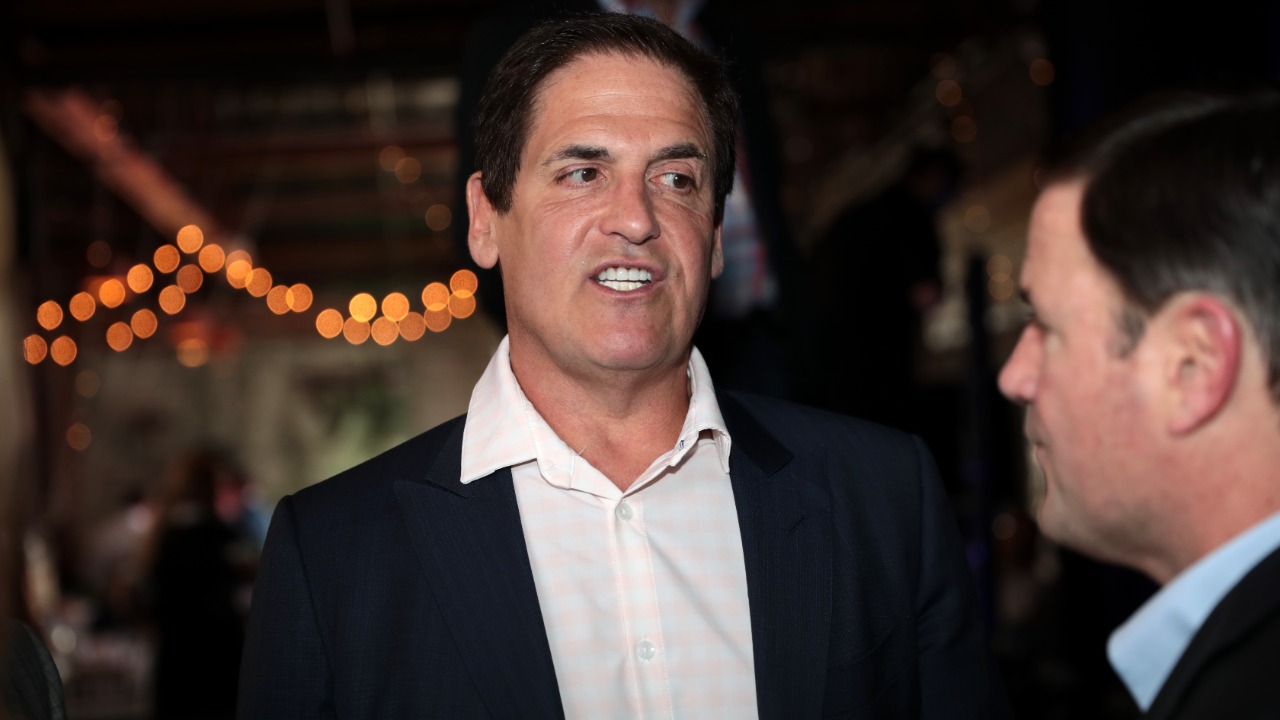
Mark Cuban is sounding an alarm that cuts to Social Security are already happening, just not in the way most people expect. Instead of an upfront vote to trim checks, he argues that the Trump administration is quietly shrinking access to the program, turning basic customer service into a barrier that will keep some retirees from ever receiving what they are owed.
In Cuban’s view, closing field offices, stripping away phone support, and forcing older Americans into complex online systems amounts to a “horrific” backdoor reduction in benefits. He is tying these moves to a broader push inside government to chase fraud and efficiency, warning that the real impact will fall on seniors who lack broadband, smartphones, or the health to navigate a digital maze.
The new Social Security battleground: access, not formulas
For years, debates over Social Security have focused on retirement ages and benefit formulas, but Cuban is arguing that the more urgent fight is about whether people can reach the system at all. He has zeroed in on decisions to close dozens of local Social Security offices and to wind down live phone assistance, saying those steps effectively wall off the program from the very people it is supposed to serve. In his telling, the policy is not an abstract budget tweak, it is a practical obstacle that will keep some retirees from filing claims, appealing mistakes, or fixing payment problems before they snowball.
That is why he has described the shutdown of in-person locations and call centers as a “Back Door Way” to “Cut Benefits” and has explicitly called the impact “Horri” and “horrific” for seniors, language that reflects his view that access is inseparable from the right to collect earned benefits, a point he has pressed in detailed criticism of closing offices. When he warns that these changes are not neutral administrative tweaks but deliberate design choices, he is arguing that a benefit you cannot realistically claim is a benefit that has been cut in practice, even if the official formula on paper has not changed.
Elon Musk, DOGE, and the “efficiency” push around Social Security
Cuban’s warnings do not exist in a vacuum, they are colliding with a high profile effort inside Washington to remake how Social Security is run. Elon Musk’s government efficiency team, known as DOGE, has been tasked with rooting out waste and fraud, and part of that mission has zeroed in on Social Security’s operations. DOGE has framed its agenda as a crackdown on improper payments and a modernization of a creaky bureaucracy, but Cuban and some former officials argue that the practical effect of these proposals would be to make it harder for legitimate beneficiaries to get help.
According to reporting on DOGE’s internal plans, the group has examined ways to tighten verification, reduce in-person staffing, and push more interactions online, all under the banner of efficiency and fraud prevention inside Social Security. Cuban has seized on those details to argue that when Elon Musk and DOGE talk about streamlining, they are also talking about shrinking the real world footprint of the agency, from field offices to phone lines, in ways that will inevitably reduce payments to people who cannot clear new hurdles.
Cuban’s “back door” warning and the town hall test
In my view, Cuban’s most potent argument is not about spreadsheets, it is about politics. He has predicted that if these access cuts continue, “Gonna Be Some Upset Seniors At Town Halls,” a blunt way of saying that members of Congress will eventually face angry retirees who suddenly cannot fix a missing check or an eligibility error. By calling DOGE’s Social Security actions a “Back Door Move To Cut Payments,” he is trying to frame the issue before that backlash hits, casting the changes as intentional benefit reductions rather than unfortunate side effects of modernization.
That phrase, “Back Door Move To Cut Payments,” is not just rhetorical flourish, it is Cuban’s attempt to connect the dots between abstract efficiency talk and the lived experience of older Americans who rely on monthly deposits to pay rent and buy groceries. He has warned that once seniors realize that DOGE’s reforms have made it harder to talk to a human, appeal a decision, or even get into an office, there will indeed be “upset seniors at town halls,” a scenario he has described in detail while criticizing DOGE actions. In that sense, he is betting that public anger will eventually force a rethink, but only after real damage has been done.
From X to BlueSky, Cuban frames Social Security as “your money”
Cuban has not limited his criticism to policy memos, he has taken the fight to social platforms, where he tries to reframe how people think about Social Security itself. Responding to users on X, he has reminded followers, “You do realize that social security is returning the money you pay out of your paycheck?” and has pushed back on the idea that benefits are some kind of optional government gift. In that same exchange, he pointed out that “the administration said they would n…” in reference to earlier assurances about protecting the program, a pointed way of accusing officials of breaking faith with workers who funded the system through payroll taxes, a message he delivered directly in his You do realize post.
More recently, he has shifted some of that advocacy to BlueSky, where he has criticized the Trump administration for removing phone support and shrinking in person help for retirees. In one post, he warned that less access to live assistance is especially dangerous at a moment when the program’s finances are under strain and some projections show beneficiaries “looking at a 23% cut” if Congress fails to act, a scenario he cited while calling the current trajectory a “horrific backdoor” reduction in support for seniors, language that has been detailed in coverage of his BlueSky warnings. By tying access cuts to the broader solvency debate, he is arguing that the system is being squeezed from both ends, with future formula cuts looming while present day service is quietly eroded.
Office closures, phone cuts, and what “horrific” looks like on the ground
When Cuban calls the current strategy “horrific,” he is not just talking about numbers on a trustee report, he is talking about what happens when a 78 year old with arthritis is told to upload documents through a smartphone app she does not have. He has highlighted how closing walk in locations and ending live phone support will hit people with limited mobility, low digital literacy, or language barriers, turning what used to be a face to face conversation into a maze of automated menus and online forms. In his view, that is not modernization, it is a deliberate narrowing of the doorway into the program, a point he has pressed in his broader criticism of Social.
He has also warned that the removal of phone support is part of a larger federal overhaul that he describes as a “trap” for American seniors, arguing that the government is effectively daring older people to miss a step so their claims can be delayed or denied. In one video, he called out a new policy that cuts phone assistance while pushing retirees toward online verification of their bank accounts, saying that this combination will inevitably lead to missed payments and confusion for people who have never used two factor authentication or digital document uploads, concerns he laid out while accusing officials of setting a government trap. For Cuban, the horror is not theoretical, it is the image of a retiree staring at a locked account screen with no human being left to call.
Trump, DOGE, and the politics of “reform”
Cuban has been explicit that he sees these access cuts as a political choice by President Donald Trump and his allies, not an unavoidable response to budget math. He has criticized the Trump administration for backing DOGE’s aggressive fraud focused agenda while simultaneously overseeing the closure of Social Security offices and the rollback of phone support, arguing that this combination allows leaders to claim they are protecting benefits while quietly making them harder to obtain. In his telling, the rhetoric of reform and efficiency is being used to mask a strategy that shifts the burden of complexity onto retirees who have the least capacity to navigate it, a pattern he has tied directly to the current Trump era changes.
At the same time, Cuban has not dismissed the idea of tackling fraud or improving technology, he has said that “We All Want to Eliminate Corruption,” but insists that the way reforms are being implemented matters more than the slogans. He has argued that if Elon Musk and DOGE truly wanted to modernize Social Security, they would start by expanding staffed hours, improving training, and making sure every office is open five days a week, rather than using efficiency as a rationale to shrink the agency’s footprint, a critique he has leveled while dissecting DOGE plans. By framing the issue this way, he is challenging both Trump and Musk to prove that their version of reform does not simply mean fewer offices, fewer phone lines, and fewer checks reaching the people who earned them.
Why Cuban says seniors are being “set up”
Underneath all of Cuban’s posts and interviews is a simple claim: seniors are being set up to fail. He argues that when the government closes local offices, ends phone support, and then blames “user error” for missed deadlines or incomplete applications, it is creating the very problems it later cites as justification for more cuts. In his view, this is what a “Back Door Way” to “Cut Benefits” looks like in practice, a pattern he has described repeatedly while warning that the current trajectory is “Horri” for retirees who depend on Social Security as their primary income, a warning he has tied directly to the policy of ending phone support.
He has also stressed that this is not a hypothetical future scenario but something already unfolding as the government shutters locations and consolidates services, moves he says are quietly reducing the number of people who can successfully navigate the system. Cuban has pointed to reports that the administration is “calling out” fraud while at the same time closing “dozens of Social Security offices,” arguing that this combination is less about protecting taxpayers and more about shrinking the program by attrition, a pattern he has highlighted in coverage of the government back door move and the decision to close dozens of offices. For Cuban, the stakes are clear: if access keeps shrinking, the country will wake up to find that Social Security has been cut not by law, but by design.
More From TheDailyOverview

Silas Redman writes about the structure of modern banking, financial regulations, and the rules that govern money movement. His work examines how institutions, policies, and compliance frameworks affect individuals and businesses alike. At The Daily Overview, Silas aims to help readers better understand the systems operating behind everyday financial decisions.

