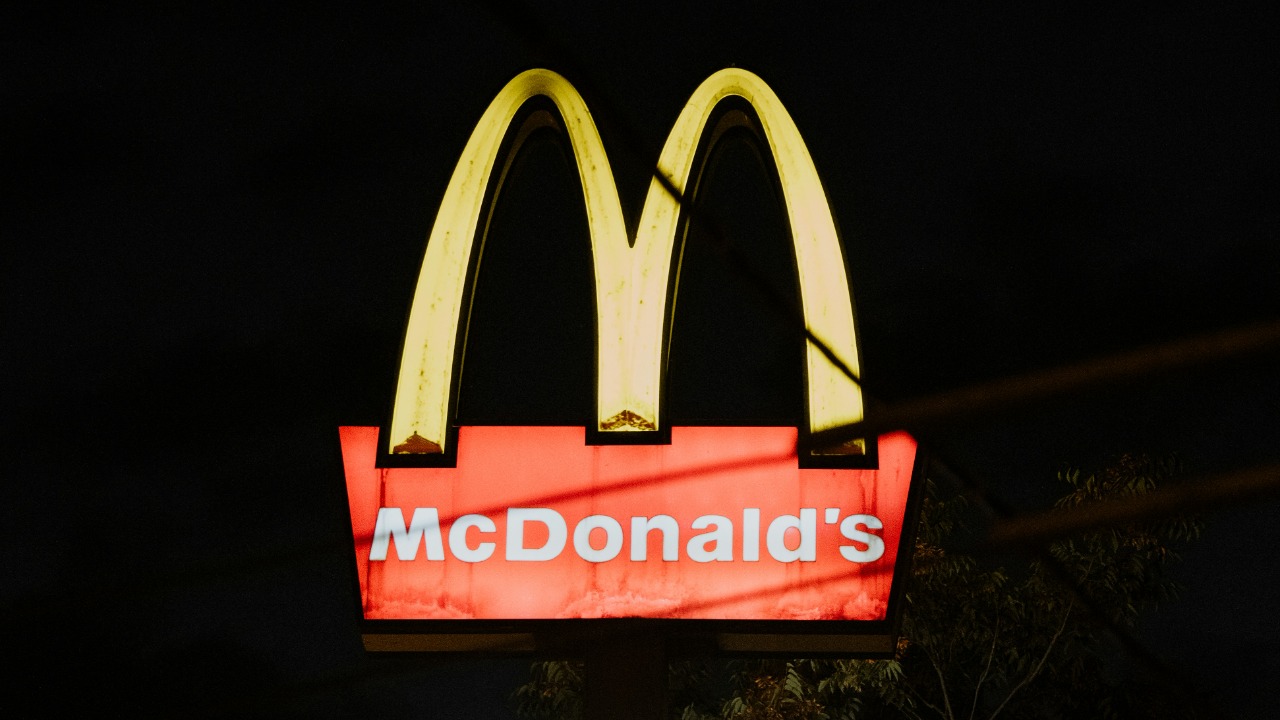
The only McDonald’s in downtown Oakland has shut its doors, and the fallout is landing hardest on the workers and customers who depended on it. What might look like a single franchise decision is instead turning into a flashpoint over worker treatment, public health failures, and the fragile state of the city’s core business district.
The closure, which arrived with little warning just as the holiday season approached, has become a symbol of how quickly low wage jobs and basic neighborhood services can disappear. It is also feeding a broader debate about whether downtown Oakland is being written off as too troubled to save or is being pushed to change in ways that leave its most vulnerable residents behind.
Sudden shutdown and a wave of anger
From the workers’ perspective, the most painful part of the shutdown was not just losing a paycheck, but how abruptly it happened. Employees say they were given only about ten days’ notice that the downtown restaurant would close, a timeline that left them scrambling to cover rent and bills right before the holidays. According to reporting on the closure, staff members described being told in mid to late Nov that the location was finished, with some saying they learned the news only after the decision was final and nonnegotiable, a sequence that fueled the sense of betrayal and sparked a backlash among both workers and regulars who relied on the store for affordable meals.
That anger has been amplified by the fact that this was the only McDonald’s in the downtown core, a place where office workers, students, and unhoused residents all converged. The restaurant’s sudden disappearance has left dozens of employees without jobs and removed a familiar gathering spot from the neighborhood’s daily rhythm. Coverage of the decision has highlighted how the closure, announced in Nov, blindsided staff who say they were notified with almost no time to prepare, and some workers have publicly described how they now “have to struggle this holiday,” a sentiment captured in accounts of the unexpected closure.
Health violations, “dog diapers,” and a viral flashpoint
The shutdown did not come out of nowhere. Earlier this year, the downtown Oakland McDonald’s had already drawn national attention for disturbing working conditions that raised serious questions about management and oversight. Workers at An Oakland franchise reported that during a period of acute mask shortages, they were told to use dog diapers as makeshift face coverings, a detail that quickly went viral and turned the restaurant into a shorthand for how low wage employees were being treated in the name of keeping fast food lines moving. Local health authorities later cited the restaurant for violations, and new safety rules were imposed on the Oakland location after those conditions came to light.
Those health violations and the bizarre image of employees wearing dog diapers as masks became part of the public narrative around the store long before the final closure notice arrived. Regulators required the downtown site to follow stricter safety protocols, and worker advocates argued that the problems reflected deeper neglect rather than a one off lapse. Reporting on the shutdown has noted that these health violations preceded shutdown, and that the viral controversy over dog diapers helped galvanize employees who were already frustrated by low pay and unpredictable schedules.
Dozens of jobs gone in a fragile downtown
When the doors finally closed, the impact was immediate and concrete: dozens of people lost their jobs just days before Thanksgiving. Workers at the Oakland restaurant described how the decision left them without income at precisely the moment when families were budgeting for holiday meals, travel, and gifts. The timing deepened the sense of injustice, especially for employees who had stuck with the store through the earlier health crisis and the public embarrassment that followed the viral dog diaper episode.
The franchise owner has pushed back on the idea that the shutdown was retaliation against outspoken staff, pointing instead to the long trail of health issues and regulatory pressure that preceded the final decision. According to coverage of the closure, the owner has said that the restaurant’s safety problems and the fallout from the viral controversy were central factors in the choice to close, even as worker advocates argue that better investment and management could have kept the store open. Accounts from OAKLAND, Calif describe how Closure of Oakland McDonald’s left those workers suddenly unemployed, with little clarity about whether they would be transferred to other locations or offered any meaningful severance.
Downtown Oakland’s broader fast food retreat
The McDonald’s shutdown is not happening in isolation. Downtown Oakland has been struggling to retain national chains, and the loss of this high profile franchise fits into a pattern of retreat by big brands that once saw the area as a growth market. Earlier this year, Shake Shack closed what it described as an “underperforming” Oakland location in the city’s beleaguered downtown, a move that signaled how wary some companies have become about the district’s economic prospects. That closure removed another recognizable name from the streetscape and reinforced the perception that the city center is losing its grip on the kind of foot traffic and office density that national chains rely on.
When a company like Shake Shack decides that a downtown site is no longer viable, it sends a message to other corporate real estate teams that Oakland’s core may be too risky or too slow to rebound. The McDonald’s decision, arriving after the Shake Shack exit, adds to the sense that the neighborhood is caught in a feedback loop where fewer workers and shoppers lead to fewer open storefronts, which in turn make the area feel less safe and less inviting. Coverage of the burger chain’s departure has explicitly linked it to the earlier move by Shake Shack, framing both as part of a broader retreat from a downtown that is still searching for a post pandemic identity.
What the backlash reveals about Oakland’s priorities
The public reaction to the McDonald’s closure is about more than nostalgia for a familiar golden arches sign. It reflects a deeper anxiety about who gets to shape downtown Oakland’s future and whose needs are considered expendable when corporate and regulatory decisions collide. For low wage workers, the shutdown is a reminder that even when they speak out about unsafe conditions and win new protections, their jobs can still vanish with little warning. For residents who relied on the restaurant as an affordable, predictable place to eat, the loss underscores how fragile basic services can be in a neighborhood that is already short on accessible options.
At the same time, the backlash is forcing a conversation about what kind of businesses Oakland wants to attract and retain in its core. Some community voices argue that the city should prioritize employers who are willing to invest in safe, stable jobs and to treat workers as partners rather than disposable labor. Others worry that if national chains continue to pull out, downtown will be left with a patchwork of vacancies and short term tenants that do little to anchor the area. The story of the downtown McDonald’s, from the dog diaper scandal to the abrupt Nov shutdown, has become a case study in how health standards, corporate strategy, and worker power intersect, and in how quickly a single restaurant can become a proxy for the larger fight over what Oakland’s future should look like.
More From TheDailyOverview
- Tennessee loses $2.6B megafactory and faces major layoffs
- Retired But Want To Work? Try These 18 Jobs for Seniors That Pay Weekly
- What to do with your pennies after the U.S. stops minting them
- Home Depot CEO warns of a troubling customer trend in stores

Grant Mercer covers market dynamics, business trends, and the economic forces driving growth across industries. His analysis connects macro movements with real-world implications for investors, entrepreneurs, and professionals. Through his work at The Daily Overview, Grant helps readers understand how markets function and where opportunities may emerge.

