High-end badges and glossy marketing can make almost any car look like a smart buy, but the view from under the lift is often very different. Mechanics who see these vehicles at their worst are increasingly urging shoppers to skip a handful of heavily promoted models that combine high prices with fragile hardware and steep depreciation. I have pulled together their most consistent warnings to spotlight five hyped nameplates that may drain your wallet faster than they deliver on their promises.
These are not obscure lemons, they are aspirational SUVs, electric trucks and family haulers that dominate ad breaks and social feeds. The problem, mechanics say, is that the real-world reliability, repair costs and day to day compromises of these vehicles rarely match the image that sells them.
The Land Rover Range Rover: Luxury price, shop-visit lifestyle
The Land Rover Range Rover has become a status symbol for affluent younger buyers, a vehicle that signals success before the driver even steps out. That image comes with a starting price of $113,300, a figure that would lead many shoppers to expect bulletproof engineering and long term durability. Instead, mechanics like Musson describe a pattern of expensive and often unpredictable issues, from air suspension faults to electrical gremlins that can turn a routine commute into a flatbed ride. The Land Rover Range Rover is popular among upper class young drivers, but that popularity does not erase the reality that complex systems and dense packaging make even minor repairs costly.
Reports of everything from drivetrain breakdowns to a malfunctioning tailgate have become part of the ownership lore, with technicians warning that the glamorous exterior hides a vehicle that can spend a surprising amount of time in the service bay. One detailed rundown of problems with Land Rover Range highlights how failures can range from relatively small annoyances to major component replacements. Land Rover USA has promoted the 2026 model year as a technological leap, but mechanics caution that more tech often means more potential failure points, and they see little evidence that the underlying reliability concerns have been fully resolved.
Lincoln Navigator and GMC Yukon Denali: Giant SUVs, giant financial risks
Full size luxury SUVs like the Lincoln Navigator and GMC Yukon Denali are marketed as the ultimate family solution, combining three row comfort with towing muscle and a plush cabin. Mechanics quoted by Jan argue that Lincoln Navigator and are “way overpriced, depreciate fast and there is so much space that is rarely ever used,” a blunt assessment that cuts through the glossy brochures. The GMC Yukon Denali alone carries a starting price of $80,000, and that is before options, dealer markups and the higher insurance and fuel costs that come with a vehicle of this size. When these trucks age, their complex air suspensions, turbocharged engines and intricate electronics can turn routine maintenance into four figure repair visits.
There is also a safety and practicality angle that often gets lost in the showroom. Large SUVs have unique handling and visibility compromises, and legal analysts who study crash patterns warn that their sheer mass can create additional risks for pedestrians and smaller vehicles. One legal advisory for Kansas City drivers urges shoppers to check Vehicle History through resources like the NHTSA database and to Ensure that all recalls have been addressed before committing to a used example. When I weigh those cautions against the reality that many owners rarely fill all three rows, it becomes hard to justify the combination of high purchase price, rapid depreciation and elevated running costs that mechanics see every day.
Ford Lightning and the limits of the EV truck dream
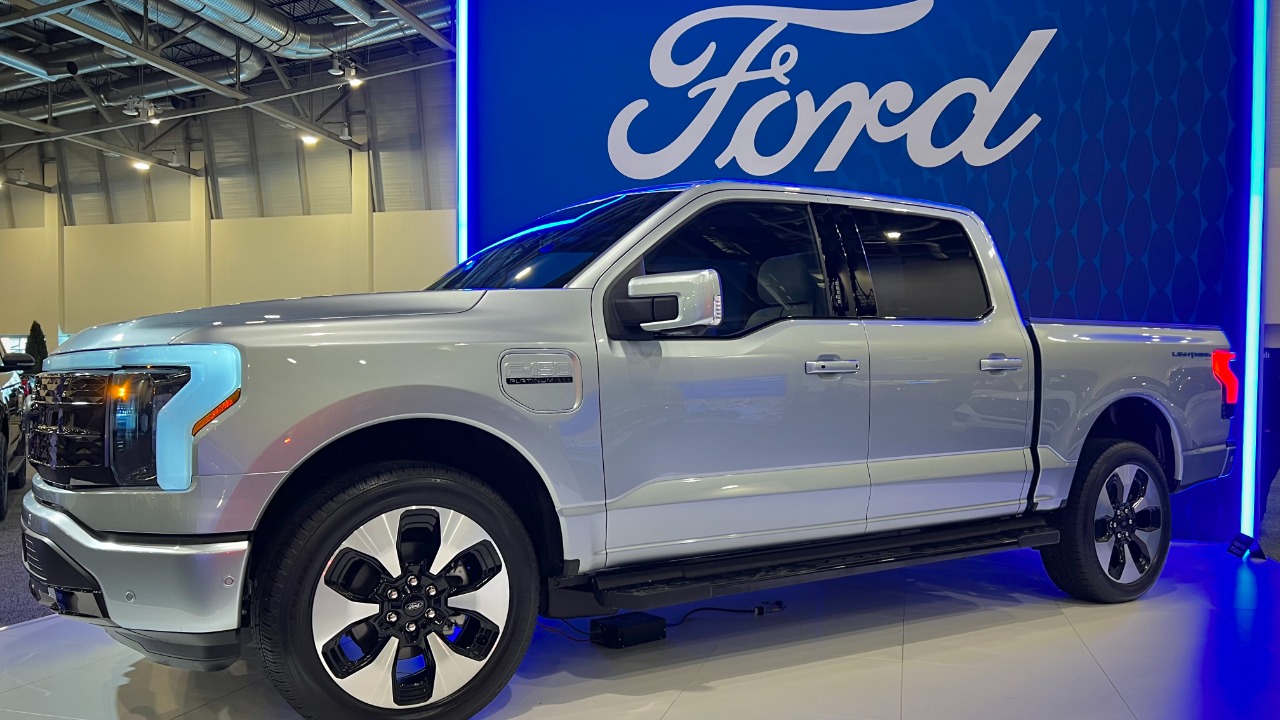
The Ford Lightning arrived with enormous hype as a symbol of the electric future, promising truck capability with zero tailpipe emissions. Mechanics and EV owners are now drawing a sharper line between that promise and the day to day reality of using an electric pickup as a primary work vehicle. Jan relays one technician’s verdict that “The idea of an EV truck is more pleasant than the reality. If you’re expecting to depend on an EV truck like y…” and that criticism lands squarely on the Ford Lightning. Towing heavy loads can slash range, cold weather further reduces battery performance, and public charging infrastructure still lags behind the needs of contractors and rural drivers who cannot easily plug in at home.
Independent reviewers who track long term ownership costs point out that while electric drivetrains have fewer moving parts, the Lightning’s battery pack and power electronics are extremely expensive to replace out of warranty. That risk is compounded by the fact that early adopters are effectively testing first generation hardware in real time. In parallel, some analysts looking at newer brands like Rivian argue that the company is “trying to build Teslas and Land Rovers at the same time but ending up” with products that are not yet ready for prime time, a warning that underscores how challenging it is to deliver both rugged utility and cutting edge EV tech. I see a common thread in these critiques, the technology is promising, but buyers who need a truck as a daily workhorse may be better served by waiting for the second or third generation of these platforms.
CVT trouble: Nissan Altima, Rogue and the Chrysler Pacifica family
While luxury SUVs and EV trucks grab headlines, many mechanics reserve their strongest warnings for more ordinary family cars that quietly rack up big repair bills. A widely shared discussion among technicians bluntly states that “Anything with a belt type CVT should be avoided. So Nissan cars and crossovers are out already,” singling out the transmission design used in models like the Altima and Rogue. The same thread notes that Dodge and Ram still have bad electrical issues from what the writer has seen, but the sharpest criticism is aimed at Anything with that belt driven CVT. These units can deliver smooth acceleration when new, yet they have a reputation for premature failure, shuddering and costly replacements that often exceed the residual value of an older sedan or crossover.
Video breakdowns of problem models go further, calling the Nissan Altima and Rogue the “undisputed champions of CVT failure” and arguing that these cars did more damage to CVT reputations than almost any other vehicles. One such analysis concludes with the line “Finally, we end with the undisputed champions of CVT failure: the Nissan Altima and,” a damning summary that matches what many independent shops report. Minivans are not immune either. Experts who track problem models recommend staying away from both the 2025 Chrysler Pacifica and the hybrid alternative, warning that “The Pacifi…” has generated enough reliability complaints to put the entire line on a do not buy list. Those concerns extend to the Chrysler Pacifica Hybrid, which has been flagged for issues that can offset any fuel savings with higher repair costs.
Least reliable badges: Consumer Reports and the Dodge Hornet warning signs
Beyond individual horror stories, broad reliability surveys help identify brands and models that consistently underperform. Consumer Reports publishes a list of the least reliable vehicles each year, and the latest rankings place the Chrysler Pacifica Hybrid near the bottom with a poor Reliability score. The rundown of the top 10 least reliable cars and SUVs for 2026 highlights the Chrysler Pacifica Hybrid as a standout problem model, reinforcing what mechanics are already seeing in their bays. When a vehicle lands on both technician blacklists and independent reliability rankings, I treat that as a strong signal to steer clear, no matter how attractive the incentives or lease deals may look.
More From The Daily Overview

Cole Whitaker focuses on the fundamentals of money management, helping readers make smarter decisions around income, spending, saving, and long-term financial stability. His writing emphasizes clarity, discipline, and practical systems that work in real life. At The Daily Overview, Cole breaks down personal finance topics into straightforward guidance readers can apply immediately.

