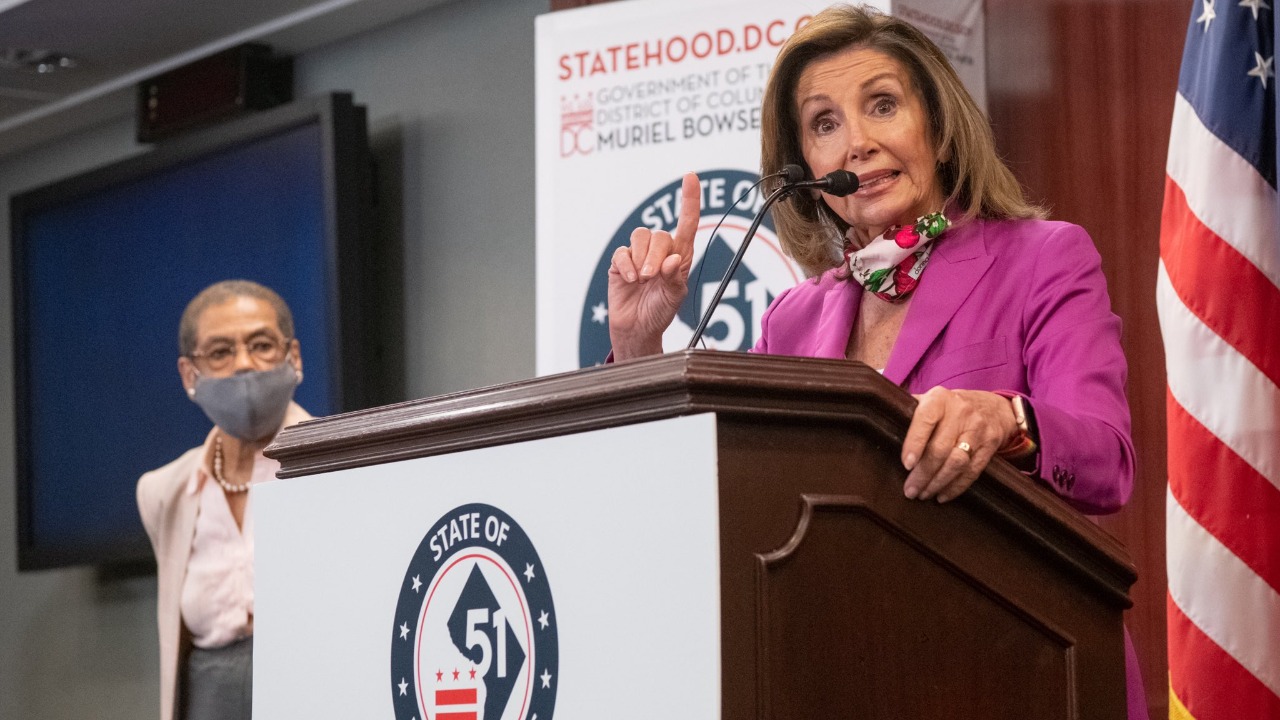
Recent disclosures have unveiled the substantial wealth accumulated by Nancy Pelosi, spotlighting how she pocketed $130 million in stock profits throughout her extensive career in Congress. This revelation, emerging on November 9, 2025, underscores a dramatic shift from prior financial opacity, prompting fresh scrutiny over congressional trading practices. The figures highlight not just personal gains but broader implications for ethics in public service.
Entry into Congress and Initial Financial Disclosures
Nancy Pelosi’s journey in Congress began in 1987, marking the start of a long and influential political career. Upon her election, Pelosi was subject to the financial reporting requirements mandated by the Ethics in Government Act. Early disclosures from this period showed relatively modest holdings, a stark contrast to the substantial wealth she would later accumulate. These initial reports set a baseline for her financial status before her stock trading activities began to escalate.
During her early years in Congress, Pelosi’s committee assignments, such as her role on the Appropriations Committee, positioned her strategically for access to market-influencing information. This role provided her with insights into federal spending and policy directions, which could potentially impact various sectors of the economy. Such access, combined with her growing political influence, laid the groundwork for her future financial success.
Rise of Stock Portfolio During Key Legislative Periods
Throughout the 1990s and 2000s, Pelosi’s investment portfolio began to expand significantly. This period coincided with the dot-com boom, during which her investments in technology stocks started yielding substantial returns. By 2008, her financial disclosures reported initial multimillion-dollar gains, reflecting the broader market volatility during the financial crisis. These gains were not isolated incidents but part of a broader trend of increasing wealth through strategic investments.
As the 2010s progressed, Pelosi’s trading activities continued to align with key legislative periods. Her investments in sectors such as energy and defense, areas often under congressional oversight, contributed incrementally to her growing wealth. This pattern of investment, which saw significant returns, raised questions about the intersection of her legislative role and personal financial interests. The cumulative effect of these trades contributed to the $130 million total profit she amassed by the end of her congressional career.
Peak Profits and High-Profile Trades in Recent Years
In the years from 2020 to 2024, Pelosi’s trading activities reached their peak, with high-profile trades generating significant profits. Notably, her options in companies like Tesla and Nvidia reportedly generated over $50 million in profits amid pandemic-era legislation. These trades were particularly lucrative during a time when legislative measures were being enacted to address the economic impacts of the COVID-19 pandemic.
In 2022, disclosures revealed that Pelosi earned over $20 million from semiconductor stocks, coinciding with the passage of the CHIPS Act under her speakership. This legislation aimed to bolster the U.S. semiconductor industry, and Pelosi’s timely investments in this sector highlighted the potential for conflicts of interest. Her ability to consistently outperform market averages with her trades sparked renewed debates over ethics and transparency in congressional trading practices, especially following her handover of the Speaker’s gavel in 2022.
Current Wealth Assessment and Post-Congress Implications
As of November 9, 2025, updated assessments of Pelosi’s net worth exceed $120 million, primarily derived from her stock and real estate holdings. This figure reflects her financial growth following her full retirement from Congress. The wealth accumulated during her tenure has drawn attention not only to her personal financial strategies but also to the broader implications for congressional ethics and transparency.
Pelosi’s family holdings, including her husband Paul Pelosi’s ties to venture capital, have further amplified the $130 million in stock profits through joint filings. The intertwining of personal and professional financial interests within the Pelosi family underscores the complexities of financial disclosures for public officials. In response to these revelations, ongoing reforms, such as the 2023 amendments to the STOCK Act, have been introduced to address potential conflicts of interest and enhance transparency in congressional trading activities.
The revelations about Pelosi’s wealth have reignited discussions about the need for stricter regulations governing stock trading by members of Congress. As public scrutiny intensifies, these developments may lead to further legislative changes aimed at ensuring that public service remains free from personal financial conflicts. The case of Nancy Pelosi serves as a pivotal example of the challenges and ethical considerations facing lawmakers in balancing their public duties with personal financial interests.
For more detailed information, you can read the full report on MSN.
More From TheDailyOverview
- Dave Ramsey says these two simple questions show whether you’re rich or poor
- Retired But Want To Work? Try These 18 Jobs for Seniors That Pay Weekly
- IRS raises capital gains thresholds for 2026 and what’s new
- 12 ways to make $5,000 fast that actually work

Cole Whitaker focuses on the fundamentals of money management, helping readers make smarter decisions around income, spending, saving, and long-term financial stability. His writing emphasizes clarity, discipline, and practical systems that work in real life. At The Daily Overview, Cole breaks down personal finance topics into straightforward guidance readers can apply immediately.