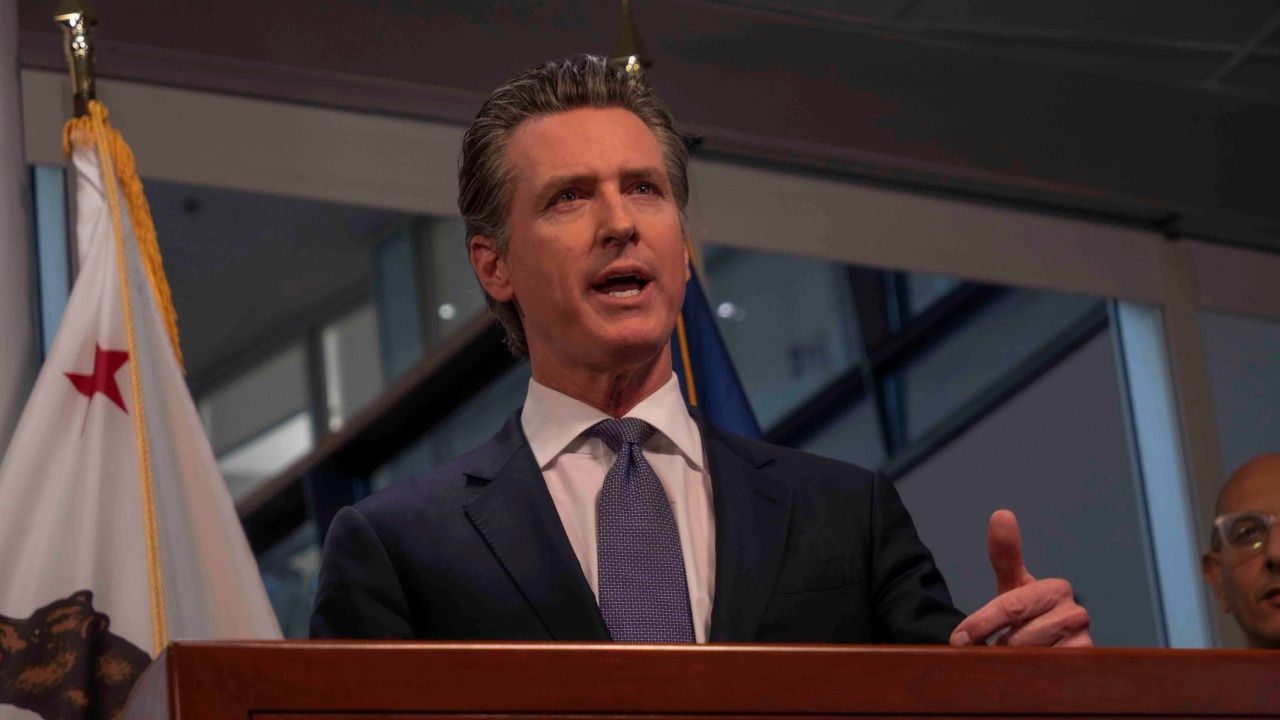
California Governor Gavin Newsom has taken significant steps in shaping the future of artificial intelligence within the state by signing a new bill aimed at regulating AI chatbots. This legislation, enacted in October 2025, emphasizes the importance of transparency and accountability in the development and deployment of AI technologies. However, the following day, Newsom vetoed the LEAD Act, a separate proposal focused on restricting youth access to AI companion chatbots. These actions underscore the ongoing debate in California about balancing technological innovation with safety and ethical considerations.
Signed AI Chatbot Legislation
The newly signed legislation by Governor Newsom mandates that AI chatbot developers in California adhere to strict transparency and accountability standards. This bill, introduced by Senator Alex Padilla, aims to mitigate potential risks associated with AI interactions without stifling access to these technologies. By requiring companies to disclose when users are interacting with AI rather than humans, the legislation seeks to enhance user awareness and trust in AI systems. This move is particularly significant for tech companies operating in California, as it sets a precedent for AI governance that could influence broader industry practices.
The origins of the bill reflect a growing concern over the ethical implications of AI technologies. Senator Padilla’s initiative addresses these concerns by focusing on the need for clear guidelines that ensure AI systems are developed and used responsibly. The bill’s signing on October 13, 2025, marks a pivotal moment for tech companies, which must now align their operations with these new requirements. This legislation not only highlights California’s leadership in tech regulation but also signals a commitment to fostering innovation while safeguarding public interests.
The Vetoed LEAD Act
In contrast to the signed AI chatbot bill, Governor Newsom vetoed the LEAD Act, which aimed to restrict children’s access to AI companion chatbots. This proposed legislation included measures to enhance youth safety by implementing safeguards against potentially harmful AI interactions. However, Newsom’s decision to veto the bill was driven by concerns that it imposed overly restrictive measures on AI technology, potentially hindering innovation and development in the field.
The LEAD Act’s focus on AI safety for minors was a response to growing worries about the impact of AI on young users. Despite its intentions, the bill faced criticism for its potential to stifle technological progress. Newsom’s veto reflects a preference for less burdensome alternatives that balance child protection with the need to support technological advancement. This decision highlights the complexities involved in regulating AI technologies, where the stakes include both safeguarding vulnerable populations and fostering an environment conducive to innovation.
Broader Context of California’s AI Regulation
The signing of the AI chatbot legislation fits into California’s broader efforts to regulate AI technologies, drawing parallels to existing tech privacy laws. This approach underscores the state’s commitment to establishing a regulatory framework that addresses the ethical and societal implications of AI while promoting innovation. The contrast between the signed legislation and the vetoed LEAD Act illustrates the delicate balance California seeks to maintain between encouraging technological progress and ensuring public safety.
Reactions from stakeholders in California have been mixed. Tech industry leaders generally support the signed legislation, viewing it as a necessary step toward responsible AI development. In contrast, child safety advocates express disappointment over the veto of the LEAD Act, arguing that more robust protections are needed for young users. These differing perspectives highlight the ongoing debate over AI governance and the challenges of crafting policies that satisfy diverse interests.
Implications for AI Development
The enactment of the AI chatbot bill has significant implications for AI developers in California. Companies must now comply with new transparency and accountability requirements, which could influence their operational strategies and product offerings. This regulatory shift may also prompt other states to consider similar measures, potentially leading to a more standardized approach to AI governance across the United States.
Meanwhile, the veto of the LEAD Act may impact future legislative efforts focused on youth safety in AI interactions. Governor Newsom’s preference for the Padilla-backed approach suggests a willingness to explore alternative solutions that do not impose excessive restrictions on AI technologies. This decision could shape the direction of future policy discussions, emphasizing the need for balanced regulations that protect vulnerable populations without stifling innovation.
California’s actions on October 13 and 14, 2025, could also have national ripple effects, influencing federal AI policy discussions. As a leader in tech regulation, California’s decisions often set precedents that other states and even federal lawmakers may follow. The state’s approach to AI governance may serve as a model for balancing innovation with ethical considerations, shaping the future of AI regulation in the United States.

Grant Mercer covers market dynamics, business trends, and the economic forces driving growth across industries. His analysis connects macro movements with real-world implications for investors, entrepreneurs, and professionals. Through his work at The Daily Overview, Grant helps readers understand how markets function and where opportunities may emerge.

