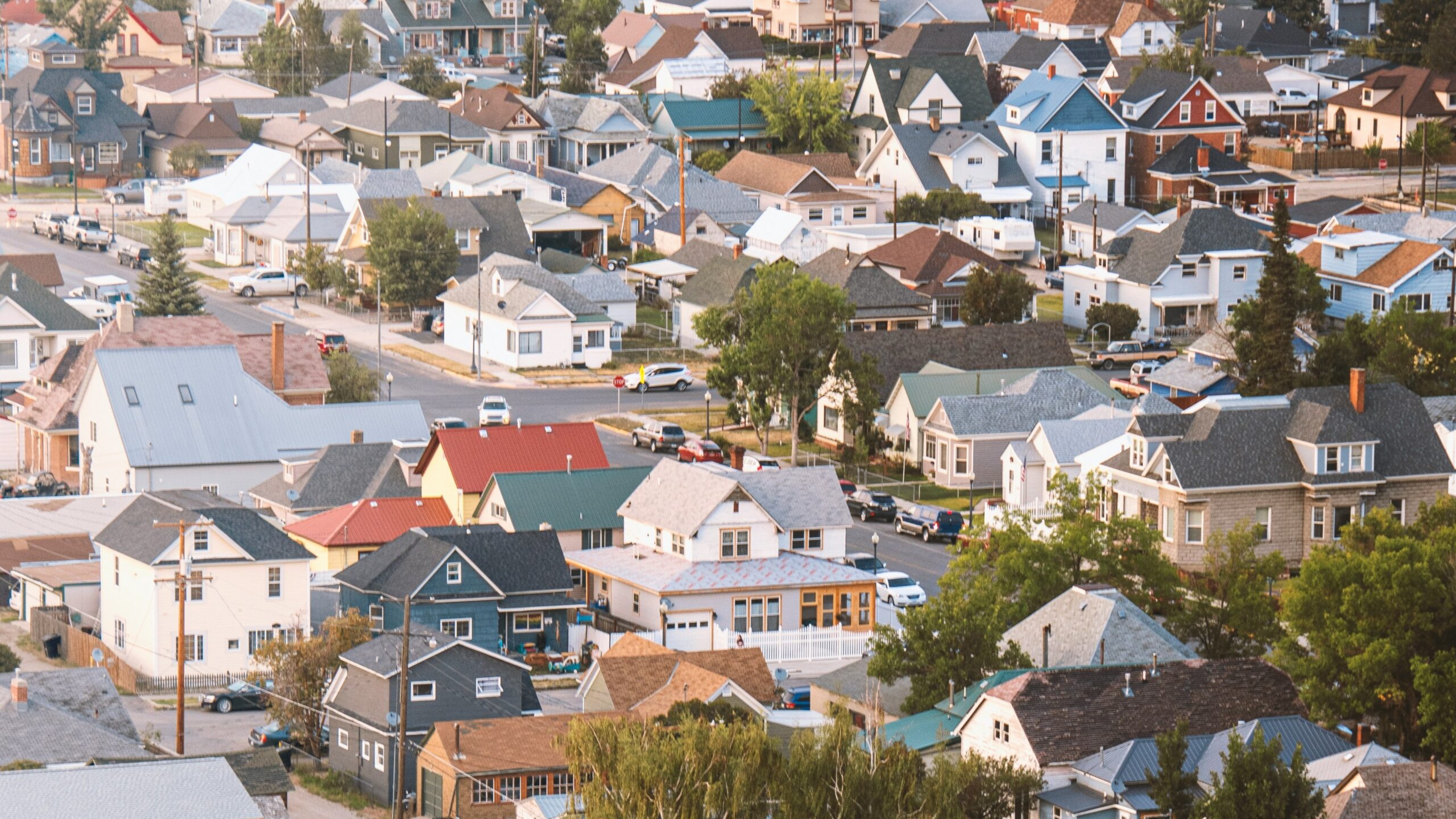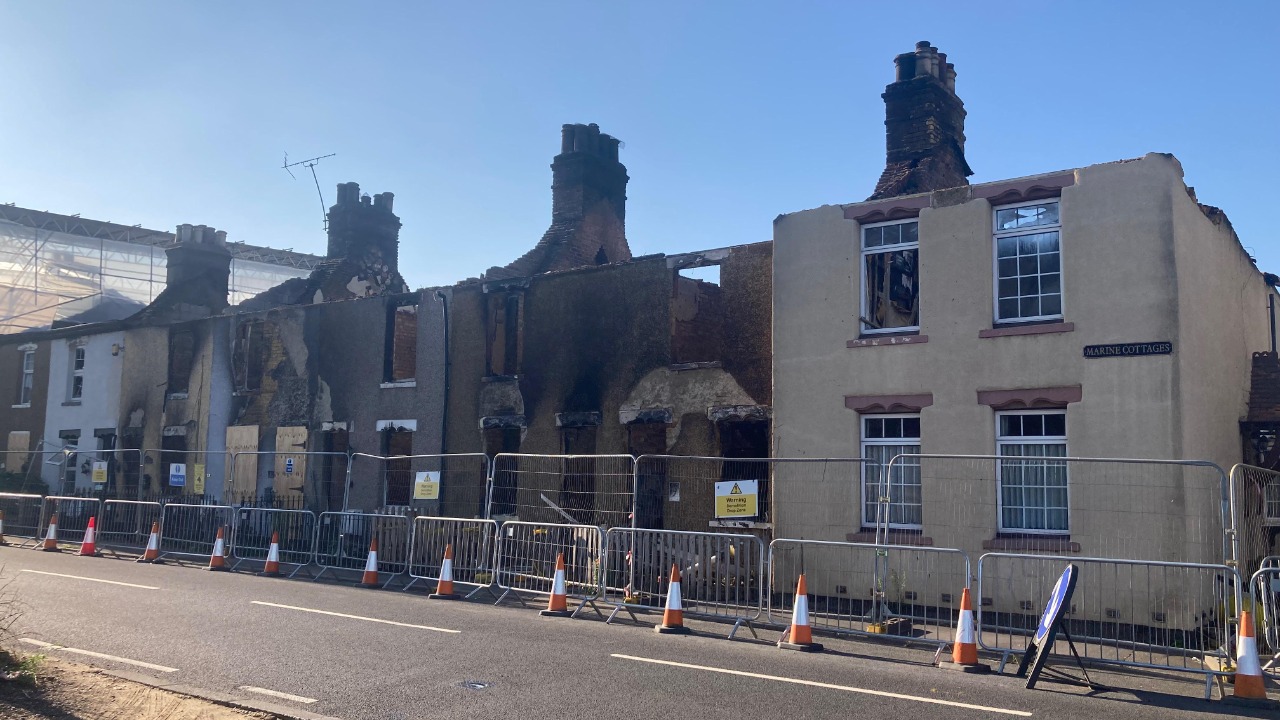
Los Angeles leaders promised a swift recovery after the January wildfires, but the neighborhoods that burned are still defined more by ash and paperwork than by new roofs and front doors. The city has cleared debris, mapped out rebuilding zones, and announced funding streams, yet the core reality remains: the homes that vanished in those winter flames have not been replaced.
What has taken shape instead is a slow, uneven reconstruction process that exposes long-standing gaps in insurance coverage, permitting capacity, and political will. I see a city that can mobilize helicopters and evacuation alerts in hours, but struggles for months and years to turn disaster pledges into habitable housing.
From disaster response to stalled reconstruction
The January fires hit Los Angeles at a moment when the region was already short hundreds of thousands of homes, so every destroyed structure deepened an existing housing emergency rather than creating a new one. Officials quickly framed the disaster as a test of whether the city could protect both public safety and long-term livability, yet the transition from emergency response to actual rebuilding has been halting. Fire crews contained the blazes and utility crews restored power, but the step that matters most to displaced families, getting a replacement home they can live in, has lagged far behind the early rhetoric.
In the months since, city and county agencies have focused on debris removal, hazard assessments, and temporary shelter, all necessary but none equivalent to reconstruction. Environmental reviews, parcel surveys, and infrastructure checks have dominated the official timeline, while residents who lost houses remain in rentals, with relatives, or in extended-stay hotels. The pattern mirrors earlier California fire recoveries, where the bulk of public spending and visible activity arrives in the first year, yet the actual rebuilding of single-family homes and small apartment buildings stretches into a multi-year grind that many owners never complete, a dynamic documented in prior post-wildfire recovery analyses.
Permits, codes, and a bureaucracy that cannot move fast enough
Even in a city accustomed to building booms, the machinery that approves new construction is not designed to replace hundreds of homes at once. I see the same chokepoints that slow ordinary projects, such as plan checks, zoning reviews, and inspections, now magnified by the urgency of disaster recovery. Homeowners who want to rebuild on the same footprint still have to navigate updated fire codes, hillside regulations, and environmental rules, each of which can trigger new design work and additional rounds of review. The result is a queue of applications that grows faster than staff can process them.
Los Angeles officials have talked about “fast-tracking” fire rebuilds, but the practical effect has been modest. Streamlined counters and dedicated case managers help at the margins, yet they do not erase the underlying complexity of building in high-risk terrain or in neighborhoods that already faced infrastructure constraints. Earlier wildfire recoveries in California show that even with special programs, it can take years before a majority of destroyed homes secure final permits, a pattern reflected in state-level permitting data and post-disaster audits. The January fire zones are now following that familiar arc, with paperwork moving, but not at a pace that would put families back in their own homes within a single year.
Insurance gaps and the hard math of rebuilding
Permits are only one side of the equation; the other is whether owners can actually afford to rebuild. The January fires collided with a market in which wildfire insurance has grown more expensive and harder to obtain, particularly in hillside and brush-adjacent neighborhoods. Many households carried policies that covered only a portion of replacement costs, or had high deductibles that made starting construction financially daunting. When I talk to residents and advocates, the recurring theme is that the check from the insurer, if it arrives at all, does not match the bids from contractors.
Construction costs in Los Angeles have climbed sharply in recent years, driven by labor shortages, higher materials prices, and stricter energy and seismic standards. That means a house that cost a certain amount to build a decade ago can now require significantly more capital to reconstruct to current code. Studies of prior California fires show that underinsurance is common, with many owners discovering after a disaster that their coverage limits fall tens or even hundreds of thousands of dollars short of what builders quote for a compliant replacement, a pattern documented in post-wildfire insurance reports. The January fire survivors are running into the same math, which helps explain why lots remain empty even when the debris is gone and permits are technically available.
Temporary housing, long-term limbo
In the immediate aftermath of the fires, local and federal agencies focused on getting people out of shelters and into some form of temporary housing. Short-term hotel vouchers, rental assistance, and limited use of manufactured units have kept many families from falling into literal street homelessness. Yet temporary shelter is not the same as stability. Months later, a significant share of those who lost homes are still living in borrowed spaces or short leases, trying to stay close to schools and jobs while waiting for a rebuild that has not yet broken ground.
That limbo has ripple effects across the city’s broader housing market. Displaced owners and renters compete for the same limited pool of apartments as other Angelenos, pushing up demand in already tight neighborhoods. Analysts who have tracked previous wildfire recoveries in California note that disaster displacement can add measurable pressure to local rents and vacancy rates for years, particularly when rebuilding lags, a trend reflected in housing impact assessments. In Los Angeles, where vacancy was already low before the fires, every month without new replacement units deepens the strain on both survivors and long-time residents who never saw flames but now face higher housing costs.
Political promises versus the slow reality on the ground
From the first days after the January fires, elected officials framed the disaster as a chance to rebuild smarter and faster, with talk of cutting red tape and aligning recovery with the city’s broader housing goals. Those commitments matter, but they have not yet translated into visible reconstruction in the burned neighborhoods. I see a gap between podium language about “rebuilding communities” and the on-the-ground reality of empty slabs, fenced-off lots, and residents still commuting from distant rentals. The political system is better at announcing task forces than at delivering completed homes within a single election cycle.
That disconnect is not unique to Los Angeles. Reviews of earlier wildfire recoveries across the state show that large-scale home rebuilding typically stretches beyond the timelines officials initially project, with many projects delayed by funding gaps, contractor shortages, and community disputes over land use, as documented in state recovery evaluations. The January fires have slotted into that pattern rather than breaking it. For families who lost everything, the message is clear: the city can promise a more resilient future, but for now, the present still looks like a long wait for a home that has yet to rise from the ashes.
More From TheDailyOverview
- Dave Ramsey says these two simple questions show whether you’re rich or poor
- Retired But Want To Work? Try These 18 Jobs for Seniors That Pay Weekly
- IRS raises capital gains thresholds for 2026 and what’s new
- 12 ways to make $5,000 fast that actually work

Elias Broderick specializes in residential and commercial real estate, with a focus on market cycles, property fundamentals, and investment strategy. His writing translates complex housing and development trends into clear insights for both new and experienced investors. At The Daily Overview, Elias explores how real estate fits into long-term wealth planning.