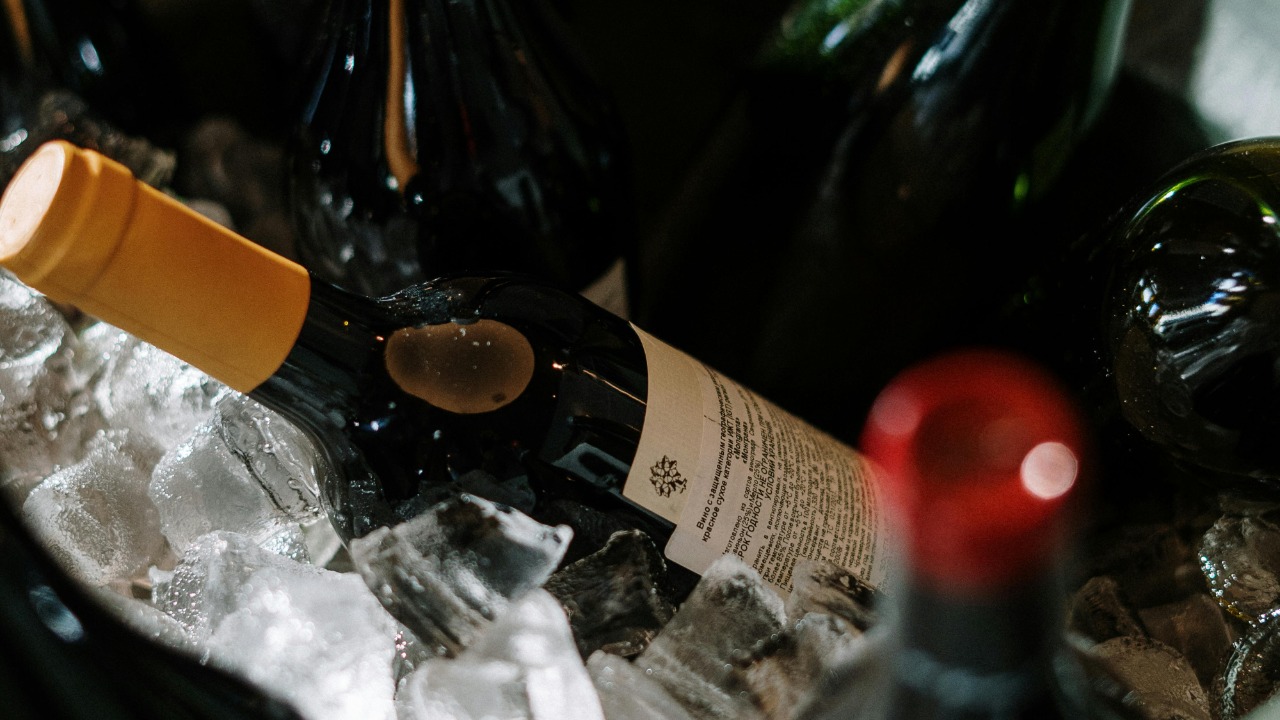
As sales of non-alcoholic wine climb in U.S. supermarkets and restaurants, federal labeling rules are coming under closer scrutiny. Two agencies share the field: the Alcohol and Tobacco Tax and Trade Bureau sets alcohol content rules for wines that count as alcoholic beverages, while the Food and Drug Administration oversees how “dealcoholized” and “non-alcoholic” appear on products that fall below the 0.5 percent alcohol by volume threshold.
That split matters for anyone who assumes “non-alcoholic” means zero. The current framework was built around traditional wine and only later adapted to bottles made with alcohol-removal technology. This review looks at how those rules define the category, what they leave open to interpretation, and how that shapes both consumer trust and the quality claims behind today’s alcohol-free wines.
How regulators define the bottle
In the United States, classic alcohol law still frames the starting point. The Alcohol and Tobacco Tax and Trade Bureau is the federal regulator in charge of labeling for wine that is treated as an alcoholic beverage. Its guidance on wine alcohol content explains how producers must state strength on those bottles and how much room they have for measurement error.
Under that TTB guidance, a label that lists a specific alcohol percentage for an alcoholic wine can rely on a tolerance of 1.5 percent in either direction. In practice, a bottle that prints one number could legally contain somewhat more or less alcohol than a shopper expects, as long as it stays within that 1.5 percent band for wines under TTB jurisdiction. Non-alcoholic wine, by contrast, is defined by having less than 0.5 percent alcohol by volume and is not classified as an alcoholic beverage, so it falls under FDA labeling rules rather than this TTB tolerance system.
What “non-alcoholic” really signals
Many consumers read “non-alcoholic” as a promise of absolute zero, but U.S. policy draws finer lines. The Food and Drug Administration issues guidance on how terms such as “dealcoholized” and “non-alcoholic” should appear on products that began as alcoholic drinks and then had most of the alcohol removed. In its Compliance Policy Guide on dealcoholized beverages, the agency describes when those words can be used and how they must be presented on the label.
The same FDA policy states that the statement of identity must include wording such as “dealcoholized” or “alcohol-removed” for these products. That detail signals that the liquid started as a standard alcoholic drink and then went through a process to strip out most of the ethanol. The guidance also explains how “non-alcoholic” may appear on the label, but it does not serve as a simple zero-tolerance rule. Instead, it sets expectations for language and placement while allowing for trace amounts, which can make the true alcohol content less obvious to casual shoppers.
The quality question behind the boom
Once the legal definitions are clear, attention shifts to whether the wines that meet them actually taste like wine. Early non-alcoholic bottles often resembled sweet grape juice with a hint of oak, because producers either stopped fermentation early or diluted finished wine. As more drinkers seek moderation for health, religious, or lifestyle reasons, expectations have risen. Many buyers now look for tannin, structure, and recognizable grape character rather than accepting a sugary substitute chosen only because it lacks alcohol.
Producers increasingly highlight techniques such as vacuum distillation, spinning cone columns, and membrane filtration as ways to remove alcohol while preserving aroma compounds. These methods sit behind the “dealcoholized” or “alcohol-removed” language that FDA expects to see on the label, but the agency’s guidance does not address how the finished product should taste. That gap between technical compliance and sensory experience is where the quality debate sits: a wine can meet every labeling requirement and still fall short for drinkers who know how a sauvignon blanc or nebbiolo usually behaves with food.
Label tolerances and consumer trust
Labeling rules and naming conventions may seem like technical details, yet they shape how much trust drinkers place in non-alcoholic wine. For alcoholic wines regulated by TTB, the 1.5 percent tolerance around a stated alcohol number gives producers flexibility to manage natural variation in fermentation and testing. At the same time, that range can clash with the expectations of someone who is tracking alcohol intake closely, because the printed figure is only an approximation within that band.
For non-alcoholic wine under FDA oversight, trust hinges more on how clearly the label explains that the product contains less than 0.5 percent alcohol by volume and has been dealcoholized. FDA’s insistence that the identity statement include terms such as “dealcoholized” or “alcohol-removed” makes the process more transparent and distinguishes these bottles from simple unfermented juice. Yet the same guidance allows “non-alcoholic” to appear in ways that may still require careful reading of the fine print. For people who are pregnant, taking medication, or in recovery, that residual ambiguity can feel like a quality concern in its own right, even when the flavor is convincing.
Technology is racing ahead of the rules
Behind the scenes, the science of dealcoholization is moving faster than the regulatory language. Producers using modern equipment can strip alcohol at lower temperatures, which helps protect delicate aromas and texture. Some wineries now treat the base wine for their non-alcoholic range with the same care they give to flagship bottlings, then run it through controlled alcohol removal rather than treating alcohol-free products as an afterthought.
Regulators, by contrast, still frame their documents around core questions of alcohol content and label wording. TTB focuses on how to state strength within its 1.5 percent tolerance for alcoholic wine and how to classify those products for tax and control purposes. FDA’s Compliance Policy Guide concentrates on whether terms like “dealcoholized” and “non-alcoholic” are used in a way that matches the agency’s thresholds and definitions for beverages under 0.5 percent alcohol by volume. Neither document attempts to sort out the fine differences between a carefully crafted alcohol-removed riesling and a mass-market sparkling grape drink, so quality improvements tend to happen within the existing rules rather than in response to new regulatory pressure.
Why coverage often misses the real stakes
Media coverage of non-alcoholic wine often leans on trend stories and tasting notes: which bottle pairs with roast chicken, which brand appears at celebrity events, and how “sober curious” consumers are changing habits. That approach can make the boom sound like a simple story about wellness culture and clever marketing, while paying less attention to the legal definitions that sit behind the labels. When federal guidance on alcohol content and dealcoholized labeling still treats these products as offshoots of standard wine, it shows that the legal system is catching up only gradually with how people now use them.
Many general-interest stories also treat “non-alcoholic” as a binary category, without explaining that TTB’s 1.5 percent tolerance applies to alcoholic wine labels or that FDA uses layered terms such as “dealcoholized” and “alcohol-removed” for products under 0.5 percent alcohol by volume. That omission can leave readers with the impression that anything in the “alcohol-free” section is identical in strength and suitability for every situation. A closer look at the primary documents reveals a more complex picture: regulators have carved out space for these products, but they have not removed all the gray areas that matter to people who need clear information about what is in their glass.
Is quality finally catching up?
The central question is whether the non-alcoholic wine boom is delivering real quality or relying mainly on marketing. From a regulatory standpoint, the bar is set around accuracy and terminology rather than taste. TTB is concerned that the alcohol statement on an alcoholic wine falls within its 1.5 percent tolerance and that the product fits into the right category. FDA focuses on making sure that “dealcoholized,” “alcohol-removed,” and “non-alcoholic” appear in line with the thresholds and definitions in its guidance for beverages with less than 0.5 percent alcohol by volume. Neither agency is tasked with deciding whether a cabernet replacement actually feels like cabernet in the glass.
On the production side, incentives are shifting as drinkers pay closer attention to both labels and flavor. Producers that rely only on compliant wording, without investing in grape quality or modern dealcoholization methods, may find it harder to build repeat business. The strongest signs of progress come from wineries that treat non-alcoholic bottles as a serious part of their range, applying careful winemaking and thoughtful alcohol removal instead of leaning on sugar and branding alone. Within the current rules, that approach is what most directly determines whether a non-alcoholic wine can stand beside traditional bottles on quality, even as the regulatory framework continues to focus on content and classification rather than sensory benchmarks.
More From The Daily Overview
*This article was researched with the help of AI, with human editors creating the final content.

Grant Mercer covers market dynamics, business trends, and the economic forces driving growth across industries. His analysis connects macro movements with real-world implications for investors, entrepreneurs, and professionals. Through his work at The Daily Overview, Grant helps readers understand how markets function and where opportunities may emerge.

