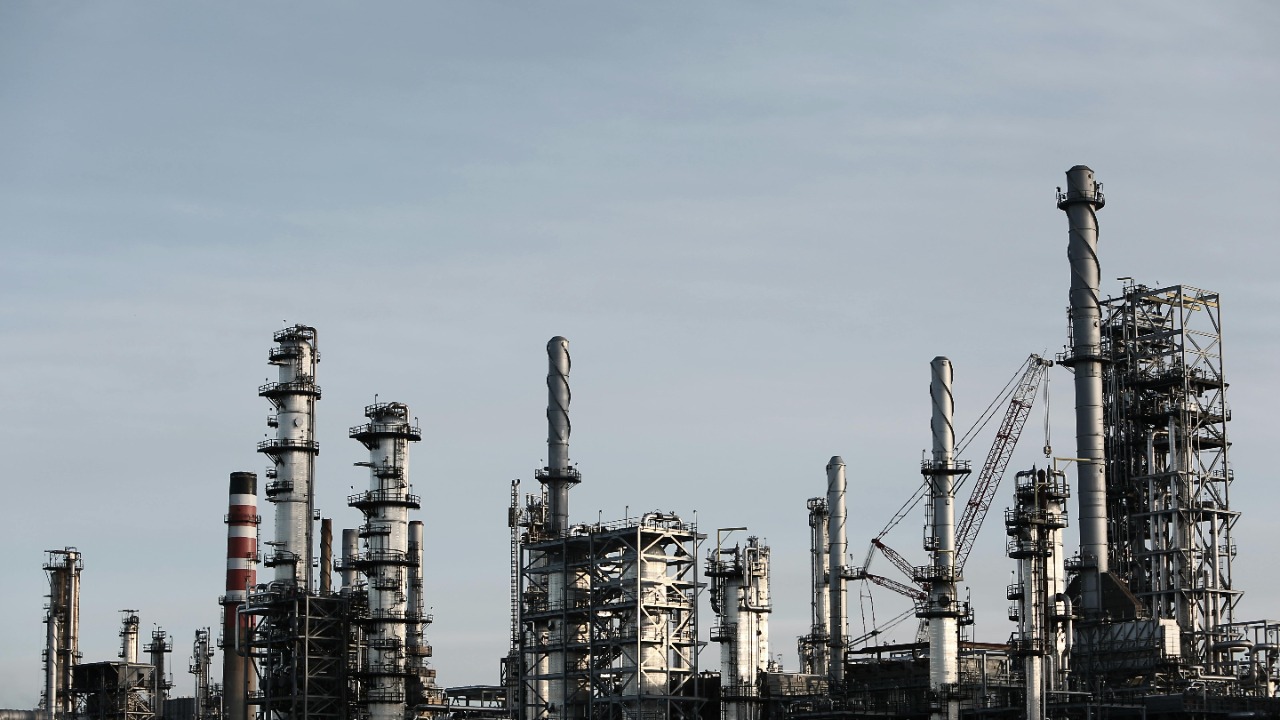
Crude oil prices fell on October 28, 2025, due to ongoing concerns about a glut, marking a continued downward trend in the energy sector. Earlier that week, on October 27, 2025, the market saw some support from a preliminary US-China trade deal, but this was overshadowed by prior pressures including a slip to $61.10 on October 20, 2025, amid growing concerns over U.S.-China trade tensions and supply glut. Meanwhile, natural gas prices also declined on October 28, 2025, influenced by warmer US weather forecasts, highlighting broader softening in commodity markets.
Initial Trade Tensions Drive Early Decline
The specific price drop to $61.10 on October 20, 2025, was a significant marker in the oil market, driven largely by escalating U.S.-China trade tensions. This decline underscored the market’s vulnerability to geopolitical factors, as traders reacted to the potential for reduced demand from two of the world’s largest economies. The concerns over trade tensions were compounded by fears of a supply glut, which began to amplify around mid-October, shifting the market’s focus from potential demand growth to oversupply worries. This shift in sentiment was pivotal, as it set the stage for subsequent volatility in the oil markets.
Stakeholders, including US producers and Asian importers, felt the impact of these early tensions. The $61.10 level signaled a material change from prior stability in Brent and WTI benchmarks, highlighting the market’s sensitivity to geopolitical developments. For US producers, the drop in prices threatened profitability, while Asian importers faced uncertainty regarding future supply and pricing dynamics. This period marked a critical juncture, as the interplay between trade tensions and supply concerns began to dictate market movements.
Temporary Support from Trade Deal Developments
On October 27, 2025, a preliminary US-China trade deal was announced, providing temporary support to crude oil prices. This development briefly countered glut fears by signaling eased demand risks, as the agreement suggested a potential thaw in trade relations between the two economic giants. The deal’s implications were particularly significant for major stakeholders like US exporters and Chinese refiners, who stood to benefit from improved trade conditions. This update represented a positive pivot from the prior week’s tensions, offering a glimmer of hope for market stabilization.
The trade deal’s announcement provided a short-lived lift to oil prices, contrasting sharply with the preceding slip to $61.10. However, the rebound was time-sensitive, as renewed pressures quickly emerged. The temporary nature of this support highlighted the market’s ongoing vulnerability to external factors, underscoring the need for sustained geopolitical stability to ensure long-term price recovery. Despite the brief respite, the underlying concerns about a supply glut remained a dominant theme, overshadowing the potential benefits of the trade agreement.
Latest Glut Concerns Overwhelm Market
On October 28, 2025, crude oil prices fell again, driven by ongoing concerns about a glut. This decline erased the prior day’s gains from the US-China trade deal, positioning the glut worries as the most recent escalation in market pressures. The interconnected energy trends, including a fall in natural gas prices due to warmer US weather forecasts, further amplified oil’s vulnerability to supply overhang. This broader commodity weakness underscored the challenges facing the energy sector, as market participants grappled with the implications of excess supply.
The impact of these developments was felt across the industry, affecting key stakeholders such as OPEC members and US shale operators. For OPEC, the glut concerns posed a threat to coordinated production efforts, while US shale operators faced heightened uncertainty regarding future output levels. The October 28 glut worries marked a reversal from the October 27 support, heightening short-term uncertainty in global trading. As the market navigates these challenges, the focus remains on balancing supply and demand dynamics to achieve price stability.
For more details on the interconnected trends affecting natural gas prices, see Yahoo Finance. The ongoing concerns about a glut can be explored further at Barchart. Insights into the temporary support from the US-China trade deal are available on TradingView. For a detailed analysis of the initial price drop, visit Economy Middle East.
More From TheDailyOverview
- Dave Ramsey warns to stop 401(k) contributions
- 11 night jobs you can do from home (not exciting but steady)
- Small U.S. cities ready to boom next
- 19 things boomers should never sell no matter what

Grant Mercer covers market dynamics, business trends, and the economic forces driving growth across industries. His analysis connects macro movements with real-world implications for investors, entrepreneurs, and professionals. Through his work at The Daily Overview, Grant helps readers understand how markets function and where opportunities may emerge.

