
The distinction between “old money” and “new money” is more than just a matter of time; it’s a cultural and philosophical divide that affects everything from social status to financial behavior. These two forms of wealth are separated by nuances that influence society and individual lifestyles in significant ways.
Historical Context and Origins

Old money typically refers to families or individuals whose wealth has been accumulated and maintained over several generations. This wealth is often deeply rooted in historical contexts, such as aristocracy or long-standing business empires. The maintenance of generational wealth is achieved through strategic investments and the preservation of family traditions and legacies.
In contrast, new money arises from self-made fortunes, often fueled by entrepreneurship, technology, and innovation. The rise of the tech industry and the proliferation of startups have enabled individuals to accumulate significant wealth within a relatively short period. This shift is a marked departure from the slower accumulation processes associated with old money.
Sociopolitical events have also shaped the perception and reality of old versus new money. Historical upheavals, economic shifts, and policy changes have influenced how these two groups are viewed and how they interact with society. The emergence of new money has challenged traditional social hierarchies, prompting a reevaluation of what constitutes true financial success and stability.
Cultural and Social Perceptions

Prestige and reputation play a significant role in how society perceives old money families compared to new money individuals. Old money is often associated with stability, elegance, and a long-standing reputation, whereas new money is frequently seen as flashy and ostentatious. These perceptions are deeply ingrained and can shape social dynamics and interactions.
The social circles and networks of old money and new money are notably different. Old money families tend to socialize within established networks that have been cultivated over generations, often involving exclusive clubs and elite institutions. New money individuals, however, may find themselves navigating more diverse social landscapes as they forge new connections and opportunities.
Media portrayal is a powerful force in shaping stereotypes and perceptions of old and new money. Television shows, movies, and news articles frequently depict old money as sophisticated and reserved, while new money is portrayed as extravagant and brash. These representations can reinforce societal biases and influence public opinion.
Financial Behavior and Management
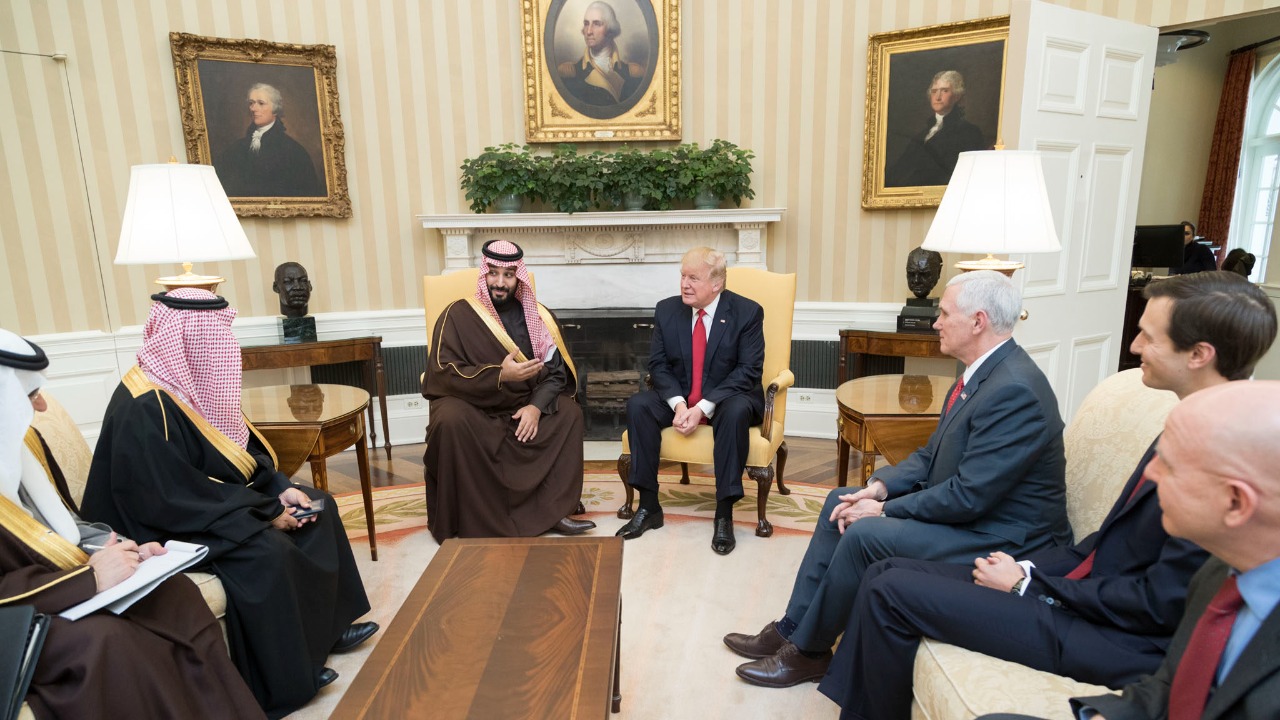
Investment strategies vary significantly between old and new money. Old money often emphasizes conservative investments designed to preserve wealth over generations, such as real estate and blue-chip stocks. Meanwhile, new money may pursue more aggressive investment strategies, seeking high returns through venture capital and emerging markets.
Spending habits also differ, with old money typically exhibiting more restrained consumption patterns. Luxury purchases are often understated, focusing on quality and heritage rather than trendiness. New money, on the other hand, may engage in more conspicuous consumption, seeking to showcase their newfound wealth through extravagant purchases.
Wealth sustainability is a key concern for both groups, but they approach it differently. Old money families often rely on tried-and-true methods to maintain their financial standing, such as trusts and family offices. New money individuals may focus on innovation and entrepreneurship to sustain and grow their wealth. Exploring these strategies further can be insightful, as discussed in this article.
Impact on Society and Economy

Both old and new money wield significant economic influence, but their impact on the economy can differ. Old money often contributes to economic stability through long-term investments and established business practices. In contrast, new money can drive economic change and innovation through investments in startups and disruptive technologies, reshaping industries and creating new opportunities.
Philanthropic endeavors vary between the two groups. Old money families may engage in traditional forms of philanthropy, supporting established institutions and causes. New money philanthropists, however, often focus on innovative approaches to giving, leveraging their wealth to address modern challenges. A deeper exploration of these philanthropic contributions can be found here.
Social mobility is another area where old and new money play distinct roles. Old money can sometimes hinder social mobility by reinforcing established social structures. New money, by contrast, often exemplifies upward mobility and the potential for significant social change, as it brings diverse perspectives and opportunities to the forefront.
Challenges and Criticisms
Public perceptions and biases present challenges for both old and new money. Old money may face criticism for perceived privilege and an adherence to outdated traditions, while new money can be scrutinized for its rapid accumulation of wealth and perceived lack of cultural refinement. A discussion on these biases can be found in this source.
Wealth transition presents another set of challenges, particularly in transferring wealth and values between generations. Old money families often have established processes for passing down wealth, but they must also navigate the complexities of evolving family dynamics and changing societal norms. New money individuals may face difficulties in establishing long-term strategies for wealth preservation and legacy building.
Balancing tradition and innovation is a delicate task for both groups. Old money must find ways to maintain its legacy while adapting to modern realities, whereas new money must integrate innovative approaches with the desire for long-term sustainability. This balancing act is an ongoing process that reflects broader societal shifts and individual aspirations.
Future Outlook

The lines between old and new money are likely to blur in the future as wealth dynamics continue to shift. The increasing interconnection of global economies and the rise of new industries may lead to a more integrated landscape of wealth, where distinctions between old and new money become less pronounced. The implications of these shifts are analyzed in this New York Times article.
Technological advancements are poised to reshape the landscape of wealth creation and management. The rise of digital currencies, automation, and AI-driven investment platforms could democratize access to wealth-building opportunities, challenging traditional models of wealth accumulation and distribution. The influence of technology on wealth dynamics is a crucial area of exploration.
Generational attitudes towards wealth are also evolving, with younger generations increasingly questioning traditional notions of success and wealth. As they prioritize values such as sustainability, social justice, and innovation, these emerging perspectives are reshaping the concepts of old and new money, leading to a future where wealth is understood in more nuanced and diverse ways.

Grant Mercer covers market dynamics, business trends, and the economic forces driving growth across industries. His analysis connects macro movements with real-world implications for investors, entrepreneurs, and professionals. Through his work at The Daily Overview, Grant helps readers understand how markets function and where opportunities may emerge.

