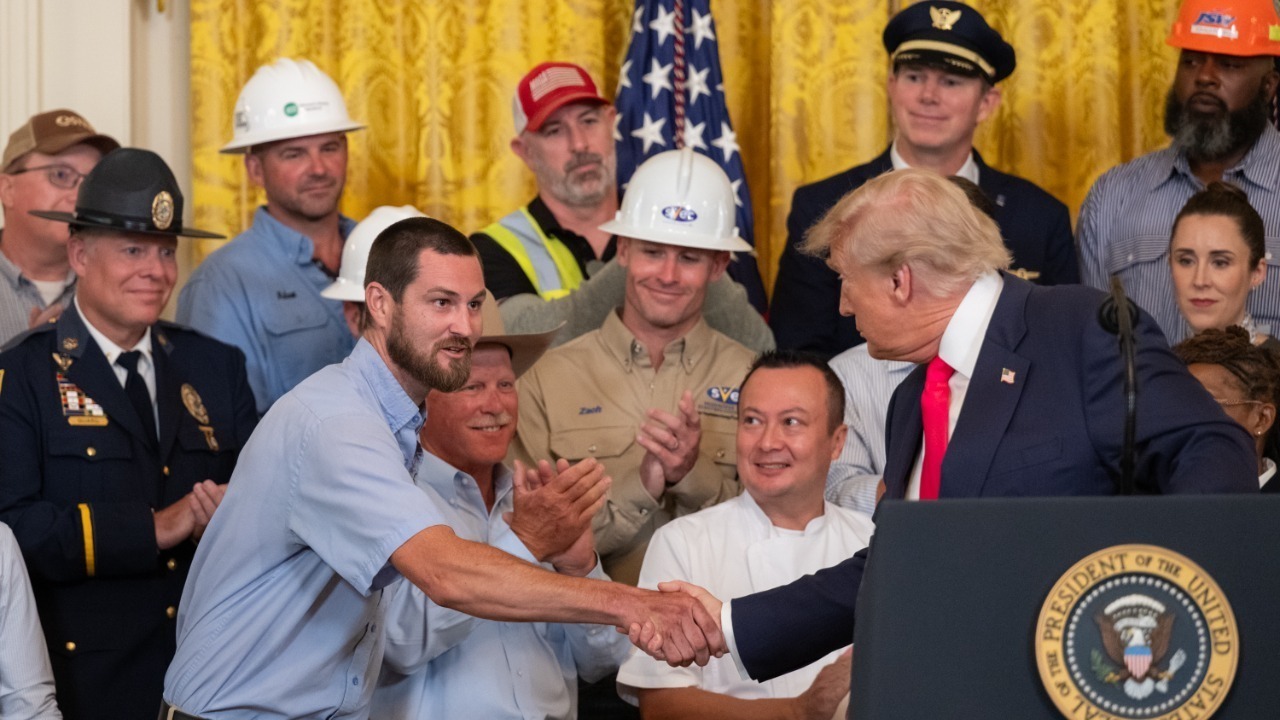
The concept of the American dream, once a beacon of hope and prosperity, seems increasingly out of reach for many. Economic shifts and systemic challenges have made it difficult for the average American to achieve traditional financial milestones. As we examine this decline, several key factors emerge, highlighting why the American dream no longer makes financial sense for so many.
Stagnant Wages

Despite increases in productivity, wages for the average American worker have remained relatively stagnant over the past few decades. This stagnation means that while living costs continue to rise, income has not kept pace, leaving many struggling to make ends meet. The disparity between income and expenses has left a significant portion of the population unable to save or invest in their future.
For example, according to recent studies, the real median household income has barely changed since the 1970s when adjusted for inflation. This lack of growth in earnings means that the dream of upward mobility is becoming increasingly unattainable for many Americans.
Rising Cost of Living
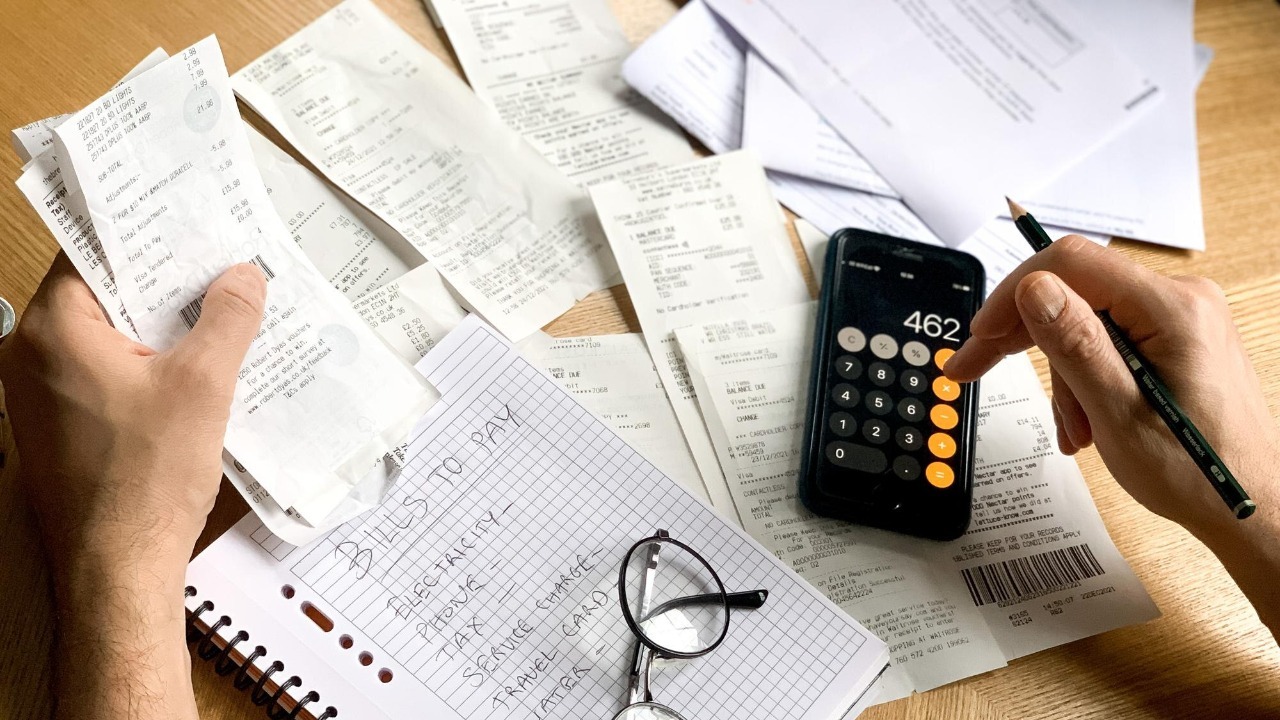
The cost of living in the United States has skyrocketed in recent years, with housing, healthcare, and education costs leading the way. This continuous rise places a heavy burden on households that are already struggling with stagnant wages. Cities like San Francisco and New York are notorious for their high living costs, making it difficult for residents to afford basic necessities.
Moreover, essential services such as childcare and transportation have also seen significant increases, further straining family budgets. The dream of financial stability becomes more elusive as families find themselves allocating a larger percentage of their income to cover these basic expenses.
Burden of Student Debt
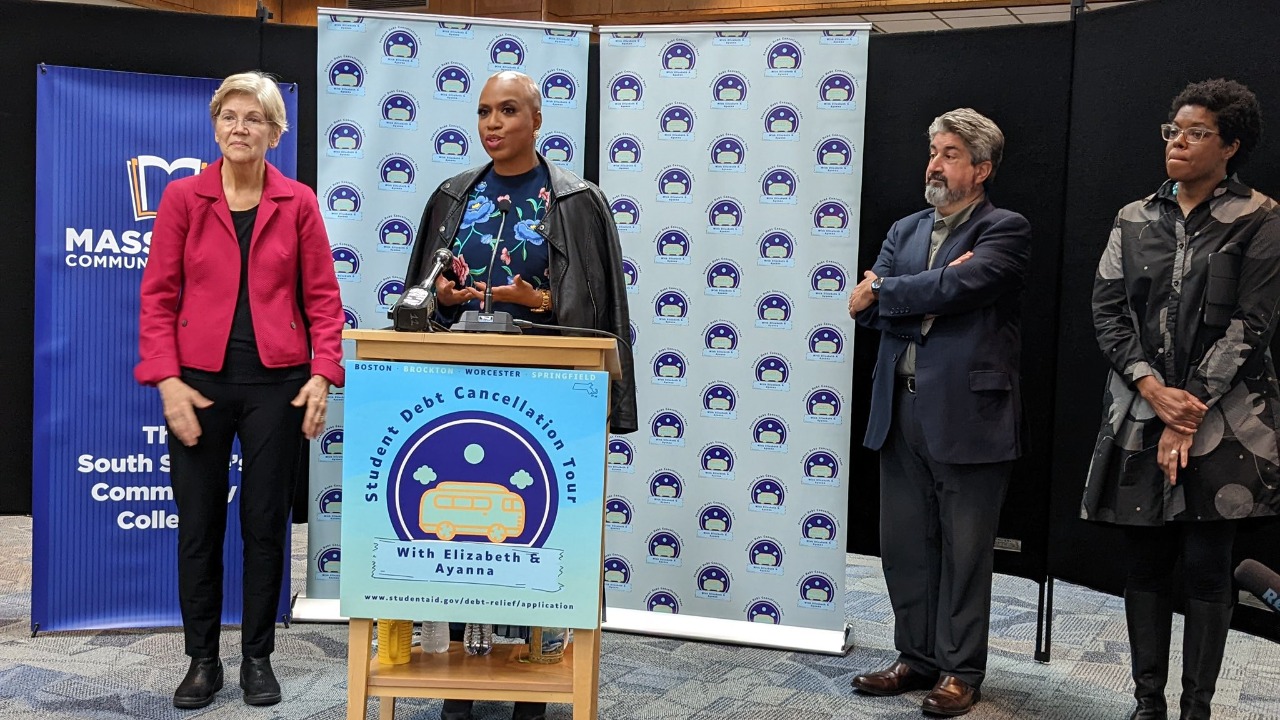
Student debt has become a crippling burden for millions of Americans, with the total student loan debt in the U.S. surpassing $1.7 trillion. This overwhelming debt load often delays major life milestones such as buying a home or starting a family. Many graduates find themselves dedicating a significant portion of their income to repaying loans, leaving little room for savings or investments.
Furthermore, the pressure to obtain a college degree to secure a well-paying job adds to the debt cycle, as higher education costs continue to rise. This vicious cycle makes the pursuit of the American dream increasingly difficult for younger generations.
Housing Market Volatility
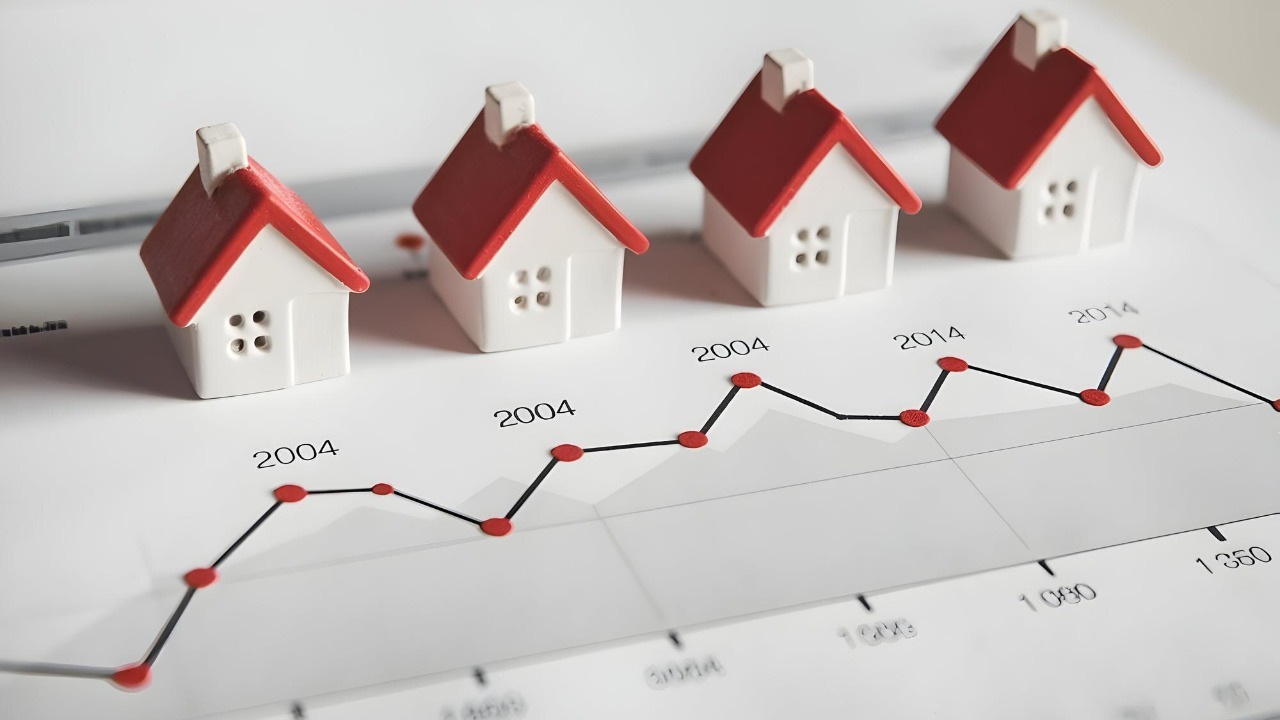
The housing market in the U.S. has experienced significant volatility, with prices in many areas reaching unaffordable levels. The dream of homeownership, a core component of the American dream, is slipping away for many as they are priced out of the market. This is especially true in urban areas where demand far exceeds supply.
Additionally, the 2008 financial crisis showed the risks of housing market speculation, leading to foreclosures and financial ruin for many families. The uncertainty surrounding the housing market continues to make it a challenging and risky investment for potential homeowners.
Healthcare Expenses

Healthcare costs in the United States are among the highest in the world, posing a significant financial challenge for many families. Even those with insurance often face high premiums, deductibles, and out-of-pocket expenses that can quickly deplete savings. Medical emergencies can lead to substantial debt and financial instability.
The high cost of healthcare forces many to choose between essential services and other basic needs, undermining their financial security. This systemic issue highlights the growing gap between the ideal of the American dream and the reality faced by many citizens.
Job Market Instability

The modern job market is characterized by instability, with many workers facing layoffs, furloughs, and the rise of gig economy jobs that offer little security or benefits. This precarious employment landscape makes it difficult for workers to plan long-term, save for retirement, or invest in their future.
The shift from full-time, stable employment to short-term, contract-based work leaves many without the safety net needed to weather economic downturns. This uncertainty in the job market challenges the notion of achieving the American dream through hard work and perseverance.
Income Inequality

Income inequality in the United States has been steadily increasing, with the wealth gap between the rich and the poor widening significantly. This disparity undermines social mobility and economic opportunity for those on the lower end of the income spectrum.
According to recent reports, the top 1% of earners hold a substantial portion of the nation’s wealth, while many workers struggle with low-paying jobs. This inequality challenges the fundamental promise of the American dream: that anyone can succeed through hard work and determination.
Decline of Traditional Retirement Plans

The decline of traditional pensions and retirement plans has left many Americans uncertain about their financial future. With the shift towards 401(k) plans and other self-managed retirement accounts, individuals bear more responsibility for their retirement savings.
Many workers lack the financial literacy or resources to effectively manage their retirement funds, leading to insufficient savings and increased financial insecurity in later life. This shift in retirement planning further distances people from the stability once promised by the American dream.
Increasing Tax Burdens
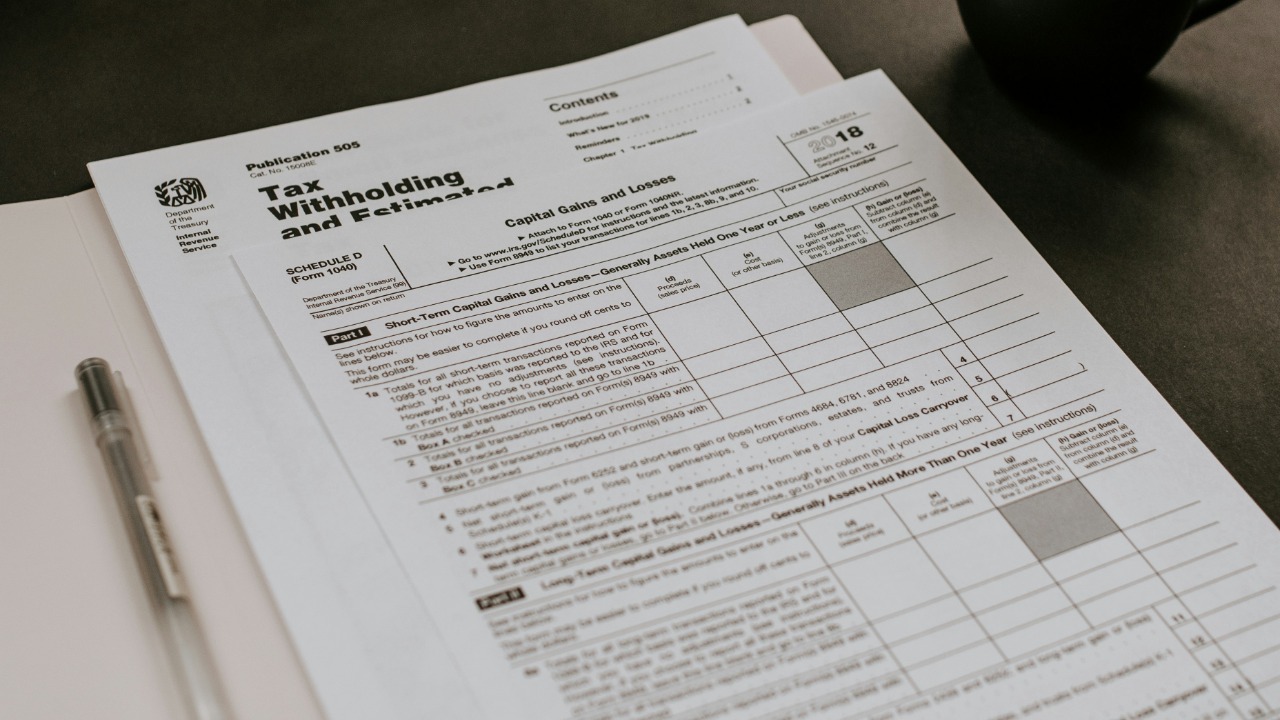
Tax burdens have increased for many Americans, particularly for middle-income earners who often feel the squeeze of federal, state, and local taxes. These tax obligations can consume a significant portion of income, leaving less available for savings, investment, or discretionary spending.
The complexity of the tax system and the perceived inequities in tax policies contribute to the financial pressures faced by many households. As taxes eat into earnings, the dream of financial independence and prosperity becomes even harder to achieve.
Environmental Challenges
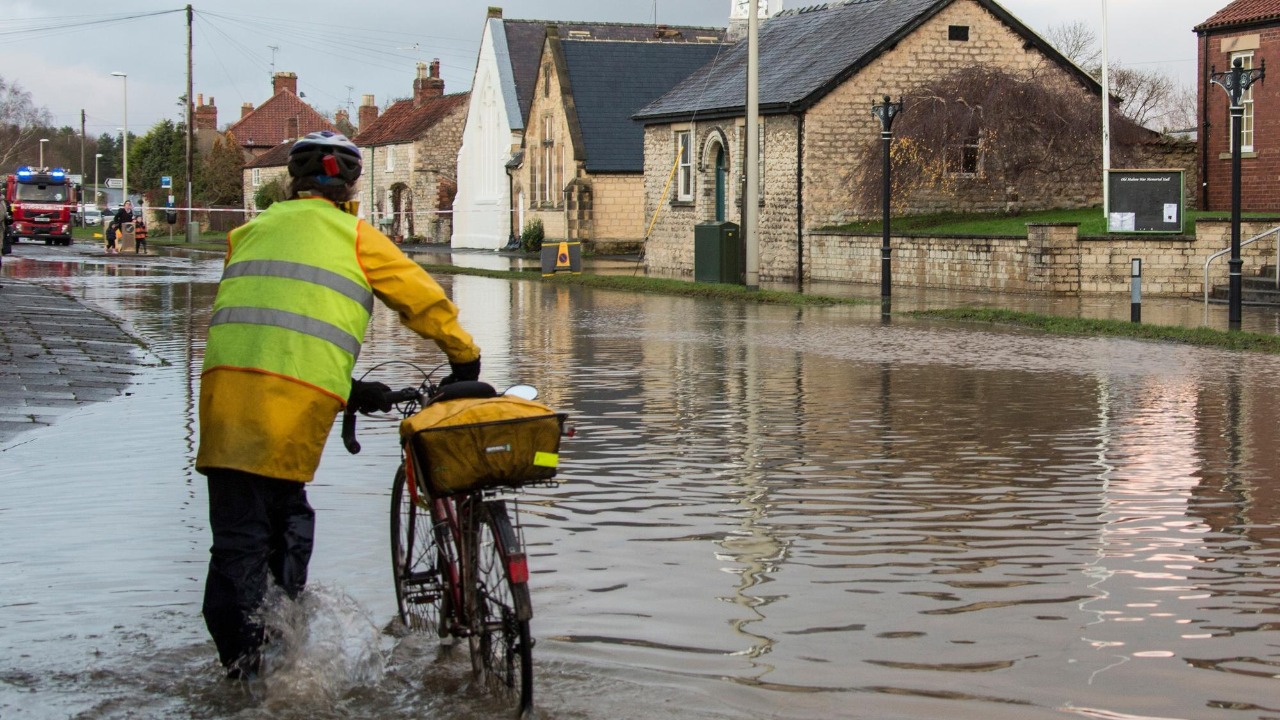
Environmental challenges such as climate change and natural disasters have significant financial implications. Hurricanes, wildfires, and floods can cause extensive property damage, leading to costly repairs and insurance claims.
Moreover, the shift towards sustainable and eco-friendly practices can require significant upfront investments, which may not be feasible for all individuals or businesses. These environmental factors add another layer of complexity to the financial landscape, further complicating the pursuit of the American dream.
Shifts in Economic Power
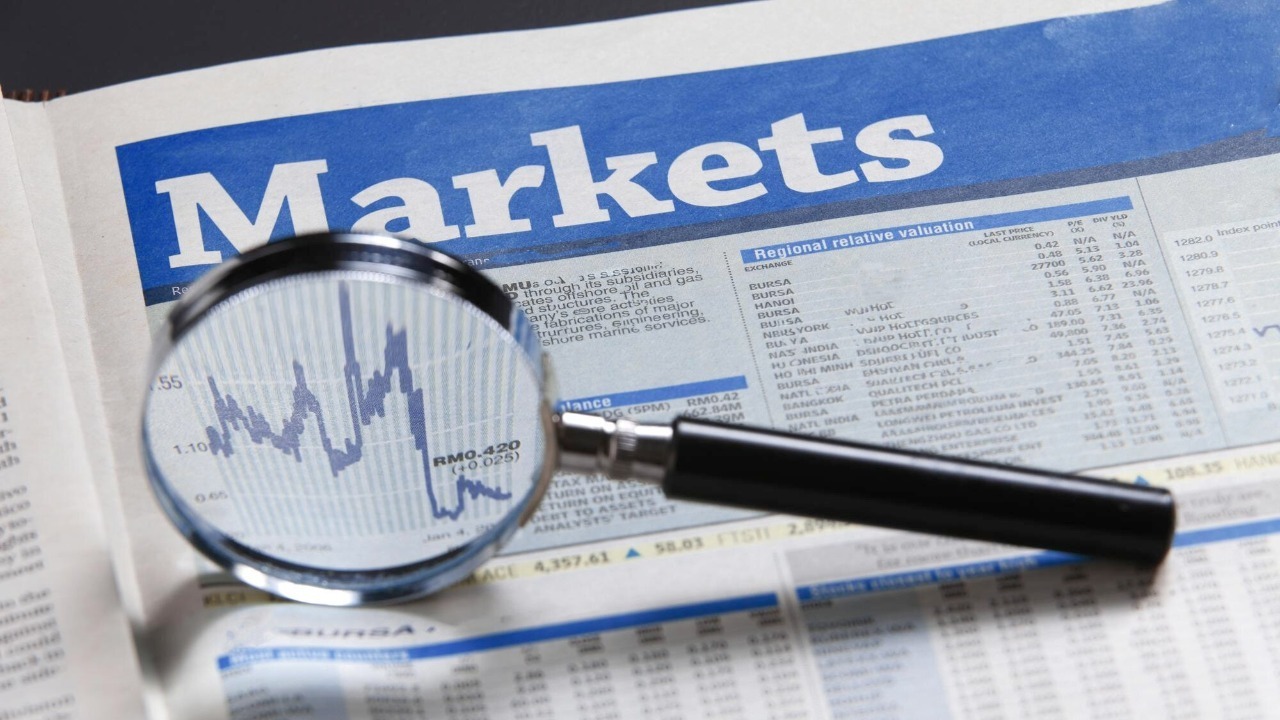
Global economic shifts and the rise of emerging markets have changed the dynamics of economic power, affecting job opportunities and economic stability in the U.S. Outsourcing and automation have led to job losses in several industries, reducing opportunities for domestic workers.
This global competition requires adaptability and new skill sets, which can be difficult for many to acquire. The shifting economic landscape presents challenges to achieving the American dream as individuals navigate an increasingly interconnected and competitive world. For a comprehensive analysis, refer to Ezra Klein’s insights on these global economic changes.

Cole Whitaker focuses on the fundamentals of money management, helping readers make smarter decisions around income, spending, saving, and long-term financial stability. His writing emphasizes clarity, discipline, and practical systems that work in real life. At The Daily Overview, Cole breaks down personal finance topics into straightforward guidance readers can apply immediately.

