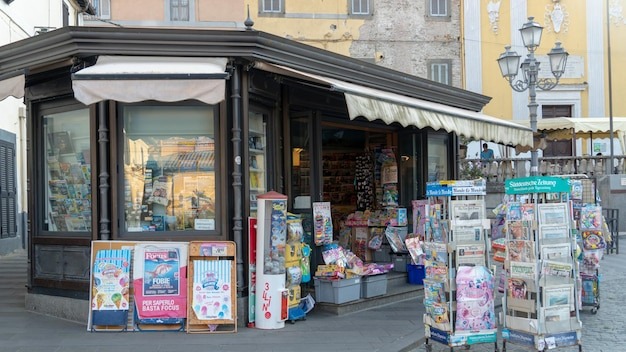
Russia’s small businesses, from neighborhood bakeries to beauty salons, are being squeezed by a sweeping package of tax changes and increases that have been discussed in the context of wartime fiscal pressure. The measures include a higher corporate profit tax and changes that expand when companies on simplified regimes must deal with VAT compliance. For consumer-facing shops already contending with inflation and sanctions-related pressures, the changes amount to a financial blow that many owners say they cannot absorb.
How the Tax Package Hits Small Firms
The tax overhaul arrived in stages. Russian lawmakers approved a broad tax hike bill that includes changes affecting VAT obligations for some small businesses, amid mounting wartime fiscal pressure. The corporate profit tax rose to 25% starting in 2025 after the law was signed and posted on the official legal information portal, according to reporting from TASS. A separate statute, Federal Law No. 425-FZ, adopted on November 28, 2025, introduced staged reductions in the revenue threshold at which businesses operating under the simplified tax system become liable for VAT, based on a summary by the consulting firm Konsu Group.
The practical effect is that firms which previously fell below the VAT line, including single-location bakeries, hair salons, and repair shops, now face new compliance costs and higher effective tax rates. These are not businesses with dedicated finance departments. Many operate on thin margins and relied on the simplified tax system precisely because it spared them from collecting and remitting VAT. The staged threshold reductions mean that even businesses whose revenue has not grown will be pulled into the VAT net simply because the government moved the goalposts. Russia plans to reduce some tax breaks for small businesses further in 2026, according to Reuters reporting, which said small businesses have been vocal in opposing the initiative and have tried, so far unsuccessfully, to stop it.
War Spending Drives Revenue Grab
The legislative push for these changes has been discussed in the context of Russia’s broader budget priorities, including higher spending needs during the war. The Federal Tax Service published implementation guidance referencing Federal Law No. 176-FZ and subsequent statutes, with new profit tax rules taking effect on January 1, 2025 for certain organizations. While the FNS guidance focused on preferential rates for IT and electronics firms listed in specific registries, the broader package leaves most small service businesses without comparable relief and offers no clear offset for those losing simplified tax protections.
That asymmetry is the core tension. Technology companies retain access to preferential profit tax rates, while bakeries, salons, and other consumer-facing shops absorb the full weight of the VAT hike and threshold changes. Critics and business owners argue the calculation is straightforward: war costs require revenue, and small businesses represent a large, relatively easy-to-tax base. But this logic ignores the structural fragility of Russia’s small business sector. Most coverage of the tax package has focused on aggregate revenue targets and headline rate changes. What gets less attention is the compliance burden itself. For a salon owner who previously filed simplified returns, the shift to full VAT accounting means new software, new reporting cycles, and often a paid accountant, all costs that eat into already compressed margins before a single extra ruble reaches the treasury.
Evasion Risk Could Undermine Revenue Goals
The deeper risk for Moscow is that the tax package could push a significant share of small business activity into the shadows, undermining the very revenue goals it was designed to meet. Owners who see no way to stay profitable under the new rules may respond by underreporting sales, splitting operations across multiple legal entities to stay under thresholds, or abandoning formal registration altogether. For very small firms with a loyal local clientele, operating partly or fully in cash can seem less risky than trying to shoulder higher taxes and complex reporting requirements. If that shift accelerates, the state may collect more from a shrinking pool of fully compliant businesses while losing visibility over a growing informal sector.
There is also a broader economic cost. Small enterprises are often the first to hire in regional towns and the last to lay off staff during downturns, precisely because they are embedded in local communities. If higher taxes and compliance burdens lead to closures rather than quiet evasion, the result will be fewer jobs, less competition, and thinner service offerings in many neighborhoods. Consumers already facing higher prices from inflation and import restrictions will have less choice and may see further price increases as surviving firms pass on their higher tax bills. In that sense, the war-driven tax package risks becoming self-defeating: it may secure short-term budget relief at the expense of long-term growth, entrepreneurship, and the resilience of the domestic economy that Russia will need once wartime spending eventually recedes.
More From The Daily Overview
*This article was researched with the help of AI, with human editors creating the final content.

Grant Mercer covers market dynamics, business trends, and the economic forces driving growth across industries. His analysis connects macro movements with real-world implications for investors, entrepreneurs, and professionals. Through his work at The Daily Overview, Grant helps readers understand how markets function and where opportunities may emerge.

