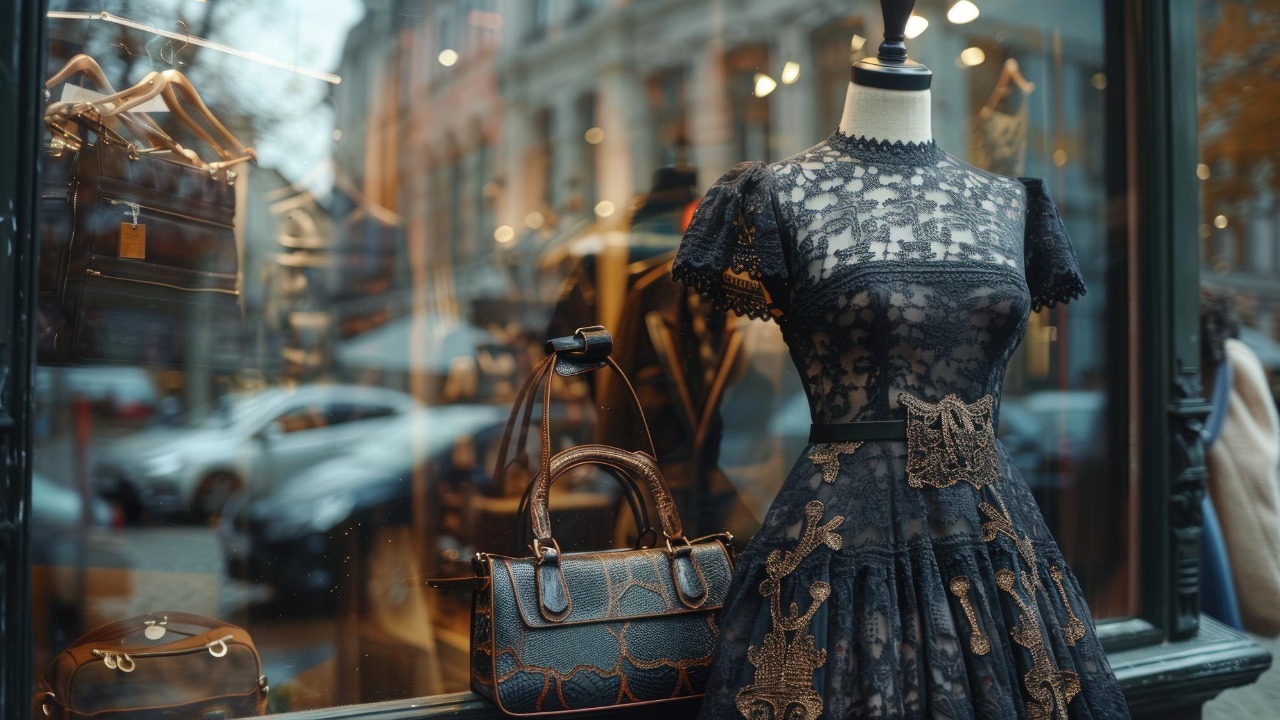
The secondhand luxury market is booming, with global sales expected to hit $77 billion by 2025. This surge is fueled by consumers eager for sustainable and affordable access to high-end brands like Chanel and Louis Vuitton. As the market expands, authentication has become crucial, ensuring buyers avoid counterfeits that could lead to millions in losses annually. Recent reports highlight how advanced verification technologies are reshaping trust in resale platforms worldwide.
The Surge in Secondhand Luxury Sales
The resale market for luxury goods is experiencing unprecedented growth, with platforms like The RealReal and Vestiaire Collective reporting triple-digit increases in transactions for coveted items such as Hermès Birkin bags. These platforms have made authentication a core service, enhancing consumer confidence in their purchases. The sector has seen a compound annual growth rate exceeding 20% since 2020, underscoring its rapid expansion. In Europe, secondhand luxury now accounts for 10% of total fashion sales, highlighting the region as a significant hotspot for this trend.
Consumer preferences are shifting, with millennials and Gen Z leading the charge toward sustainability. This demographic shift has resulted in a 15-fold increase in pre-owned Rolex watches being verified through blockchain-based systems. These younger consumers are not only seeking luxury but are also conscious of the environmental impact of their purchases, driving the demand for authenticated secondhand goods.
Evolution of Authentication Technologies
Authentication technologies have evolved significantly, moving from manual inspections to sophisticated AI-driven tools. Companies like Entrupy have developed machine learning platforms capable of authenticating luxury handbags with 99.1% accuracy using microscopic imaging. This technological advancement is crucial in maintaining the integrity of the resale market, providing buyers with confidence in the authenticity of their purchases.
Blockchain innovations are also playing a pivotal role in the authentication process. The Aura Blockchain Consortium, which includes brands like LVMH and Prada, offers digital certificates of authenticity that are traceable from production to resale. This transparency is essential in combating counterfeit goods and ensuring that consumers receive genuine products. Additionally, partnerships between authenticators and marketplaces, such as Sotheby’s implementation of RFID tagging for jewelry, have reduced fraud risks by 40% in high-value auctions.
Key Players Shaping the Authentication Landscape
Several key players are at the forefront of the authentication landscape. Real Authentication, for instance, processes over 1 million items annually for eBay, employing experts trained in over 300 luxury brands to detect subtle fakes, such as counterfeit Gucci sneakers. This expertise is vital in maintaining the trust of consumers and ensuring the continued growth of the secondhand luxury market.
Tech startups are also making significant contributions. Chrono24, for example, has developed in-house verification for watches, using serialized data to confirm the authenticity of pieces valued up to $500,000. Such innovations are crucial in maintaining the integrity of the luxury watch market. Additionally, collaborations like Richemont’s investment in authentication labs in Geneva ensure that pre-owned Cartier items meet original craftsmanship standards before resale, further bolstering consumer confidence.
Challenges and Future Trends in Verification
Despite advancements, challenges remain in the fight against counterfeit goods. The proliferation of super fakes is a significant concern, with Interpol estimating $500 billion in annual counterfeit trade affecting the luxury resale market. Multi-factor authentication is being employed to counter this threat, but the battle against counterfeits is ongoing.
Regulatory developments are also shaping the future of authentication. The EU’s 2024 directives mandating digital product passports for luxury goods aim to enhance traceability in secondhand markets. These regulations are expected to provide a framework for ensuring the authenticity of luxury items, further protecting consumers and legitimate sellers.
Emerging trends indicate that authentication services will continue to evolve. Augmented reality (AR) apps for on-the-spot verification at pop-up shops in cities like Los Angeles are projected to become standard by 2030. As authentication services grow into a $2 billion industry, these innovations will play a crucial role in maintaining the integrity of the secondhand luxury market.
In conclusion, the secondhand luxury market is poised for continued growth, driven by consumer demand for sustainable and authentic high-end products. As authentication technologies advance, they will play an increasingly vital role in ensuring the integrity of this burgeoning market, providing consumers with the confidence they need to invest in pre-owned luxury goods.
Recent reports highlight how advanced verification technologies are reshaping trust in resale platforms worldwide.

Elias Broderick specializes in residential and commercial real estate, with a focus on market cycles, property fundamentals, and investment strategy. His writing translates complex housing and development trends into clear insights for both new and experienced investors. At The Daily Overview, Elias explores how real estate fits into long-term wealth planning.

