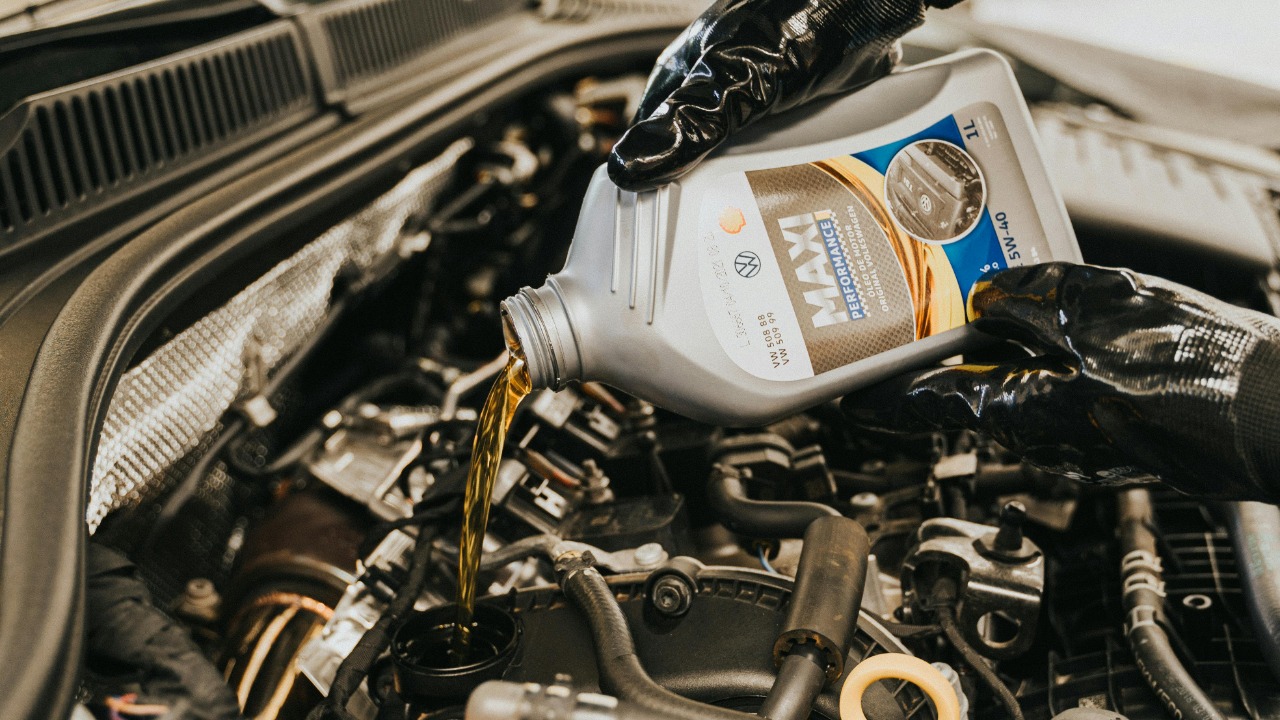
Private car sellers are facing a fast-spreading con in which fake buyers pretend a vehicle’s engine has catastrophically failed, then pressure owners into slashing the price on the spot. The scheme hinges on a staged mechanical “disaster” that looks convincing in the moment, but falls apart under even basic scrutiny. At the center of the latest warning is a California sheriff who says the scam is rising and that one specific behavior from would-be buyers should immediately set off alarms.
The so-called oil-in-the-engine ploy is not a one-off stunt but part of a broader wave of car sale scams that exploit online marketplaces and people’s limited mechanical knowledge. I am going to walk through how the fraud works, what investigators in California say they have uncovered, and the single biggest red flag that can help sellers shut it down before they lose thousands of dollars.
How the “oil-in-the-engine” scam actually works
At its core, the oil-in-the-engine scam is a performance designed to convince a seller that a healthy car is on the verge of death. Scammers typically pose as serious buyers, show up for a test drive, then create the illusion of a blown engine by secretly pouring oil where it does not belong. In some cases, they target the tailpipe so that smoke and residue mimic catastrophic internal damage, a tactic described in a Feb report on a Northern California car buying scam that centered on claims of “oil in your tailpipe” as proof the engine was finished.
Once the fake problem is staged, the script rarely changes. The supposed buyer acts concerned, insists the car is worth far less than the asking price, and pushes for an immediate discount before the seller has time to think, call a mechanic, or get a second opinion. A detailed breakdown of the “Oil in engine” con notes that the fraud is happening again and again across the country and that the entire setup is designed to pressure owners into accepting a fraction of their vehicle’s value on the spot, a pattern that matches what Oct coverage of the Oil in engine scam describes.
California sheriff’s warning and the arrests behind it
The latest alarm bell is coming from a Sheriff in California, whose office says the scheme is not theoretical but tied to real arrests and real victims. In Placer County, investigators say Two men in NEWCASTLE, Calif, staged what deputies called an elaborate oil-in-the-engine setup that targeted private sellers and even linked to a similar scam in the Bay Area, according to a detailed account of how Two men in NEWCASTLE, Calif were accused of running the con.
Another report identifies the suspects as a father and son duo, Iulian and Decebal Mihai, and states that The Placer County Sheriff Department in PLACER COUNTY, Calif, alleges they repeatedly used the same tactic on unsuspecting sellers. Investigators say the pair would arrange to see a car, then poured oil onto the seller’s engine just before restarting it so it would smoke and appear ruined, a step-by-step description laid out in a segment where Then, they poured oil onto the seller’s engine to set up the fake breakdown.
The big red flag: the “instant discount” demand
According to the Sheriff who has been sounding the alarm, the most telling sign that a seller is being set up is not the smoke or the oil itself, but what happens immediately afterward. In the Placer County cases, deputies say the supposed buyers moved quickly from feigned concern to aggressive bargaining, insisting that the car was now worth only a fraction of the listing price and pushing the owner to accept a steep cut before anyone else could see the vehicle. A detailed warning explains that Both men were booked into the South Placer Jail on felony charges after allegedly using this tactic to drive prices down, and that the Sheriff’s office believes Anyone can be a victim when a buyer suddenly claims catastrophic damage and demands an on-the-spot deal, a pattern laid out in the account of how Both men were booked into the South Placer Jail.
That pressure campaign is what the Sheriff has framed as the “big red flag” for sellers: a buyer who claims to have just discovered a major engine failure, then immediately pivots to offering a drastically lower price and insists the deal must happen right now. A broader advisory on the trend notes that the new wave of scams often follows this same arc, with the buyer staging a problem, declaring the car nearly worthless, and then trying to walk away with it for a deep discount, a sequence described in detail in a warning where the Sheriff in California explains how the fraud is rising and Here is how it works and the big red flag to watch for.
Why private sellers are such attractive targets
Scammers are not prowling dealership lots for this scheme, they are combing through private listings where individuals are more likely to be alone, unprepared, and unfamiliar with the finer points of engine diagnostics. A California sheriff’s advisory notes that the oil-in-the-engine scam is specifically targeting private sellers who list their vehicles online, warning that the fraudsters are looking for people who may not have a mechanic on speed dial and who are eager to close a sale, a focus spelled out in a detailed alert that a California sheriff issues warning about the scam targeting private sellers.
Online platforms are central to that strategy. The SLO County Sheriff has publicly described how scammers pretend to be buyers and contact a seller on Facebook Marketplace or Craigslist, then use that direct connection to set up in-person meetings where They can stage the fake engine failure without oversight. In that warning, the Sheriff’s office spells out that the con often starts with a friendly message on a familiar app, which is why sellers should treat unsolicited offers with caution even when they come through mainstream services like Facebook Marketplace or Craigslist.
How the scam fits into a broader wave of car cons
The oil-in-the-engine ploy is part of a larger pattern of car-related fraud that has been gaining traction, particularly in California. Earlier coverage of a growing car sale scam describes how thieves and con artists are increasingly targeting vehicles and private transactions, using a mix of fake mechanical problems and paperwork tricks to separate owners from their cars or their cash, a trend highlighted in a segment that framed the issue as a Warning about growing car sale scam affecting ordinary drivers.
In that context, the Placer County cases are not isolated. A separate report on a Sheriff’s department in California details how investigators arrested two men after they allegedly tried to pull off what is explicitly labeled the oil in engine scam, underscoring that law enforcement is now treating this as a recurring pattern rather than a one-time stunt. The segment, which features CONSUMER INVESTIGATOR BRIAN ROCHE EXPLAINS how the con works and how victims were pushed to accept as little as 25% of their asking price, shows that the same basic script is being used in multiple communities, a point driven home when CONSUMER INVESTIGATOR BRIAN ROCHE EXPLAINS the mechanics of the fraud.
What sellers can do in the moment
For private owners listing a 2015 Honda Civic or a 2018 Ford F-150, the most practical defense is to slow the interaction down the moment a buyer claims to have discovered a serious engine problem. Mechanics and consumer advocates consistently advise that no one should agree to a major price cut based solely on what a stranger says in a driveway, especially when the alleged issue appears out of nowhere during a test drive. A detailed consumer segment on the engine oil scam notes that some victims were pressured to drop their price to roughly 25% of what they were asking, a level of discount that should immediately trigger skepticism, as highlighted when CONSUMER INVESTIGATOR BRIAN ROCHE EXPLAINS how much money some sellers lost.
Law enforcement officials also stress that sellers should not be afraid to walk away entirely if a buyer becomes aggressive or tries to control where and how the car is inspected. In the Placer County cases, deputies say the suspects wanted to handle the vehicle themselves and resisted any suggestion of involving a neutral mechanic, a pattern that mirrors other reports of a growing scam involving cars where thieves and con artists try to keep the transaction on their terms from start to finish, as described in a segment that framed the issue as a Warning about growing car sale scam with buyers steering the process.
Why the scam keeps working despite the warnings
Even with public alerts from sheriffs and consumer investigators, the oil-in-the-engine con continues to find new victims because it exploits two powerful forces: fear and urgency. When a buyer claims that a car’s engine is blown and backs it up with visible smoke or oil, many owners feel a sudden panic that their vehicle has just lost most of its value. A detailed analysis of the Oil in engine scam points out that Yet that is exactly what is happening again and again across the country, with scammers counting on that emotional shock to override a seller’s better judgment, a dynamic described in the same Yet that is exactly what is happening analysis of why the con persists.
Urgency is the second lever. The Sheriff in California who has been warning about the scam notes that the fraudsters rarely give sellers time to think, insisting that the deal must be done immediately or not at all. That tactic is not unique to Placer County, it mirrors other car cons where buyers claim they have another vehicle to see or cash that will disappear if the seller does not decide right away, a pattern that fits into the broader narrative of a Warning about growing car sale scam in which pressure and speed are central tools.
The takeaway for anyone listing a car
For anyone posting a used Toyota Camry or Subaru Outback online, the lesson from California’s Sheriff and from victims across the country is straightforward. If a buyer suddenly “discovers” a catastrophic engine problem, produces dramatic smoke or oil, and then immediately demands a massive discount, treat that combination as a flashing red warning light. The specific behavior that investigators keep highlighting is the instant pivot from supposed concern to a lowball offer, the moment when a legitimate buyer would normally suggest a mechanic instead of insisting on a rushed bargain, a distinction that sits at the heart of the Sheriff’s warning about the California sheriff issues warning about the scam.
In practical terms, that means setting ground rules before you ever hand over the keys: meet in a public place, bring a friend, and make clear that any serious mechanical concerns will be evaluated by a shop you choose, not by a stranger in your driveway. Placer County’s experience, where Two men were arrested after allegedly staging oil-in-the-engine scenes and then trying to walk away with cars for a fraction of their value, shows how quickly a routine test drive can turn into a high-pressure negotiation, a reality underscored in the detailed account of how Two men in NEWCASTLE, Calif allegedly ran the con. The more sellers recognize that pattern, the harder it becomes for scammers to turn a few ounces of oil into a four-figure payday.
More From TheDailyOverview

Cole Whitaker focuses on the fundamentals of money management, helping readers make smarter decisions around income, spending, saving, and long-term financial stability. His writing emphasizes clarity, discipline, and practical systems that work in real life. At The Daily Overview, Cole breaks down personal finance topics into straightforward guidance readers can apply immediately.

