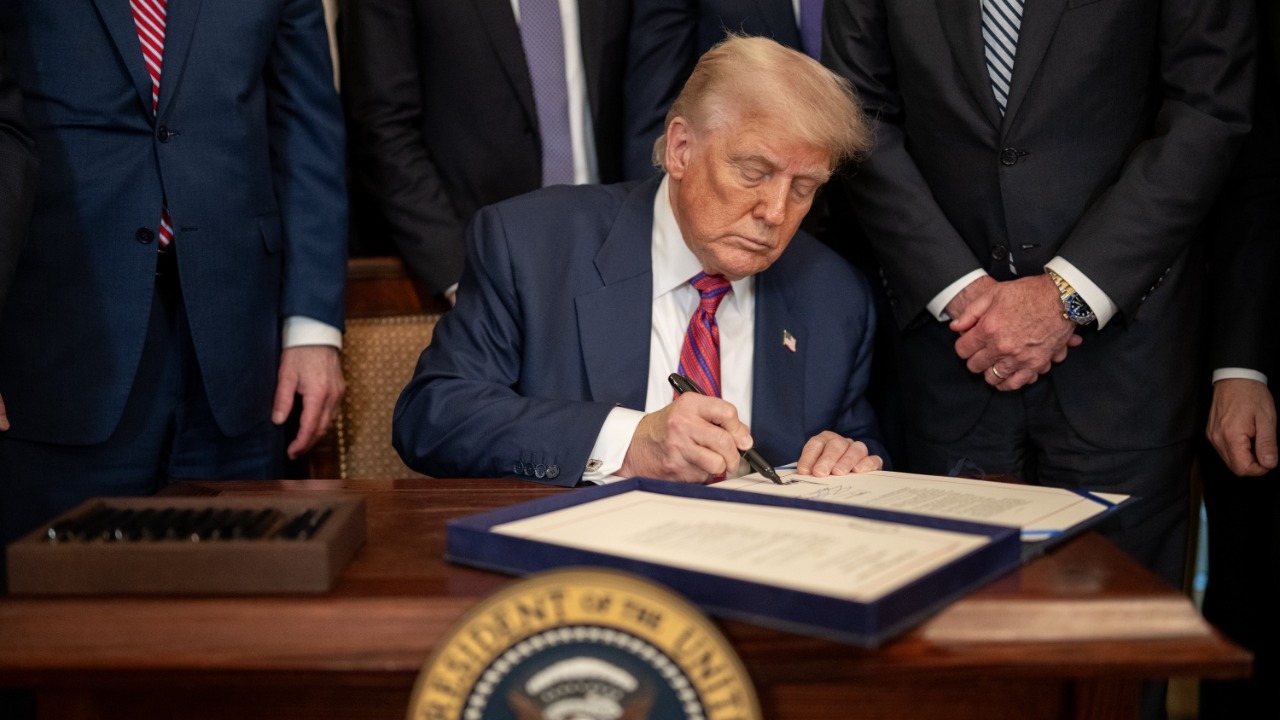
Amid the ongoing government shutdown, the Trump administration has embarked on a contentious mass firing spree, directing federal agencies to terminate recent hires en masse. This sweeping action, first announced in February 2025, has significantly impacted the workforce, particularly in sectors like education and energy. Recently, a California judge temporarily halted these layoffs, challenging the administration’s plans and adding a new layer of complexity to the unfolding situation.
The Government Shutdown and Its Impact
The current government shutdown has provided the Trump administration with a unique opportunity to implement mass layoffs across federal agencies. This strategy was unveiled in February 2025, when the administration directed agencies to fire recent hires en masse. The move has been justified as a necessary measure to address budget constraints exacerbated by the shutdown. However, the decision has sparked widespread concern and criticism, particularly because it disproportionately affects sectors such as education and energy, where workforce reductions have been most pronounced. These sectors are crucial for national development and innovation, and the cuts could have long-term implications for their operational effectiveness.
The impact of these layoffs is particularly severe in the education and energy sectors, where the workforce has been significantly reduced. The Trump administration’s directive has led to a substantial decrease in personnel, affecting the delivery of essential services and programs. This reduction not only undermines the capacity of these sectors to fulfill their mandates but also raises questions about the administration’s priorities during a time of national crisis. The decision to target these specific areas suggests a strategic shift that could reshape the landscape of federal employment and service provision in the long term.
Legal Challenges and Judicial Intervention
In response to the mass firings, legal challenges have emerged, culminating in a recent intervention by a California judge who temporarily ordered the Trump administration to stop laying off workers. This judicial decision represents a significant hurdle for the administration’s plans, as it halts the implementation of the layoffs and provides a reprieve for affected workers. The judge’s order underscores the legal complexities surrounding the administration’s actions and highlights the potential for further judicial scrutiny.
The role of the California judge in this scenario is pivotal, as their decision has effectively paused the administration’s firing plans. This intervention not only provides immediate relief to federal workers but also sets a precedent for future legal challenges against similar executive actions. The judge’s ruling could have long-term implications for the administration’s broader workforce strategy, potentially influencing how such decisions are made and contested in the future. The outcome of this legal battle will likely shape the administration’s approach to workforce management and its ability to implement similar measures in the future.
Reactions and Backlash
The mass layoffs have elicited strong reactions from affected federal workers and unions, who have expressed outrage and concern over the administration’s actions. Many workers feel blindsided by the sudden terminations, which have left them without jobs and uncertain about their future. Unions representing federal employees have been vocal in their opposition, arguing that the layoffs are unjust and detrimental to the functioning of essential government services.
Political figures and organizations have also weighed in, criticizing the administration’s firing spree as a reckless and shortsighted move. These critics argue that the layoffs undermine the stability and effectiveness of federal agencies, particularly during a time of national crisis. The public response has been similarly critical, with many questioning the administration’s priorities and the potential impact of these layoffs on the country’s ability to recover from the shutdown. This backlash could have significant implications for the Trump administration’s approval ratings and future policy decisions, as public sentiment continues to play a crucial role in shaping political outcomes.
Looking Forward: Possible Outcomes
The future of the mass layoffs remains uncertain, as the judicial order to halt them could be overturned or upheld in future legal proceedings. If the order is overturned, the administration may proceed with its plans, potentially leading to further workforce reductions and operational challenges for federal agencies. Conversely, if the order is upheld, it could force the administration to reconsider its approach and explore alternative strategies for managing the federal workforce during the shutdown.
These mass layoffs have the potential to reshape federal agencies and their ability to function effectively post-shutdown. The reduction in personnel could lead to gaps in service delivery and hinder the government’s ability to respond to emerging challenges. However, there is also the possibility of rehiring or restructuring within the impacted agencies once the shutdown concludes, which could mitigate some of the negative effects and restore operational capacity. The outcome of this situation will depend on the administration’s willingness to adapt and the legal and political pressures it faces in the coming months.

Grant Mercer covers market dynamics, business trends, and the economic forces driving growth across industries. His analysis connects macro movements with real-world implications for investors, entrepreneurs, and professionals. Through his work at The Daily Overview, Grant helps readers understand how markets function and where opportunities may emerge.

