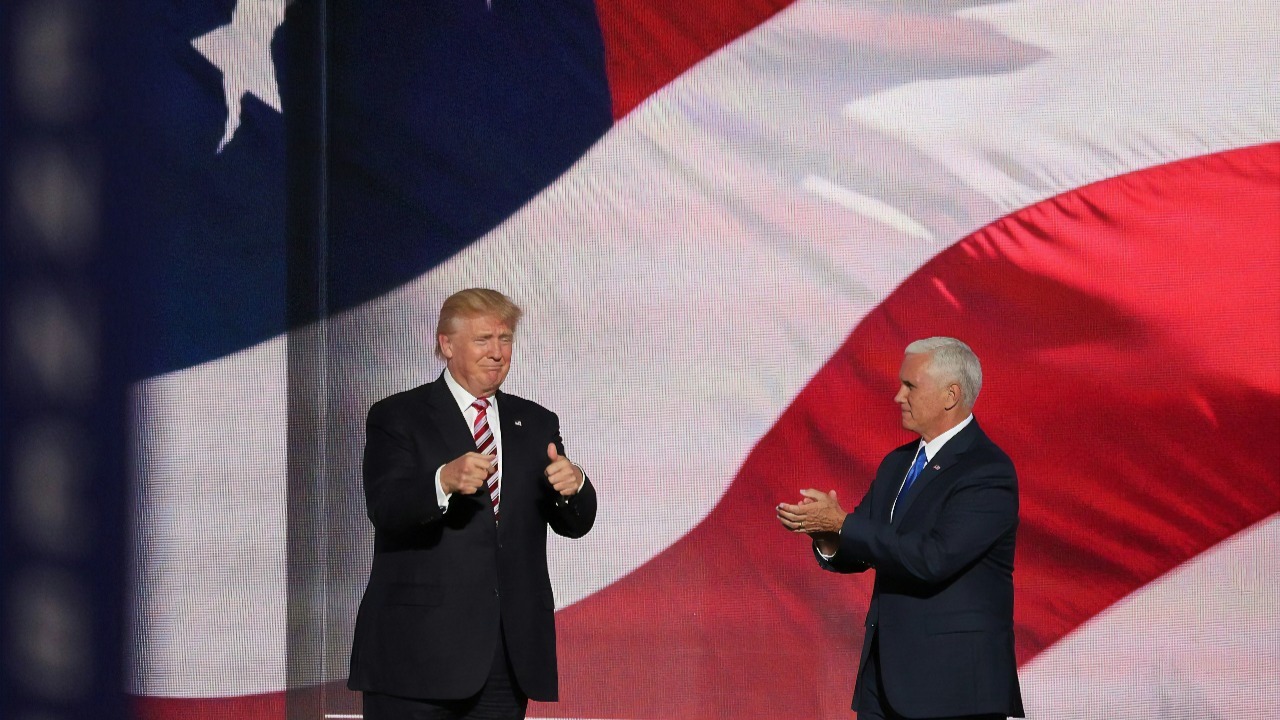
The U.S. government shutdown, which lasted 40 days, has officially ended following a tentative deal advanced by senators on November 10, 2025, marking a major victory for President Trump over Democrats who backed down in negotiations. This resolution came after intense partisan standoffs in Congress, with the agreement averting further economic disruption. Key stakeholders, including Republican leaders aligned with Trump, hailed the outcome as a concession from Democrats on funding priorities.
The Buildup to the Shutdown’s End
The 40-day government shutdown began as a result of escalating tensions between President Trump and Democratic leaders in Congress. The impasse was primarily driven by Republican demands for increased funding for border security, a priority strongly supported by Trump. Democrats initially resisted these demands, arguing that the proposed allocations were excessive and not aligned with their fiscal priorities. However, as the shutdown continued, the economic impact and public pressure began to mount, leading to a shift in strategy among Democratic leaders.
Throughout the shutdown, both parties engaged in a series of negotiations, but progress was slow. Reports indicated that early signs of Democratic concessions began to emerge in mid-November 2025. The prolonged closure of government services and the resulting economic strain on federal employees and the broader economy played a significant role in influencing the Democrats’ decision to pivot. As public frustration grew, the Democrats faced increasing pressure to find a resolution, ultimately leading to their strategic retreat.
Senators’ Tentative Deal and Key Negotiations
The tentative deal advanced by senators on November 10, 2025, included several bipartisan elements aimed at resolving the core funding disputes that had prolonged the shutdown. The agreement provided for a compromise on border security funding, which was a central issue in the negotiations. President Trump’s role in pushing Republican negotiators was pivotal, as he framed the deal as a direct win against Democratic opposition in the Senate. This was seen as a significant achievement for Trump, who had maintained a firm stance throughout the shutdown.
Statements from Senate leaders on both sides highlighted the intense negotiations that took place to reach the agreement. The deal was reached after marathon sessions, with both parties making concessions to end the shutdown. Republican leaders praised the outcome as a victory for Trump’s agenda, while Democratic leaders acknowledged the need to prioritize the reopening of government services. The agreement marked a turning point in the shutdown saga, allowing federal operations to resume and providing relief to affected employees and services.
Democrats’ Backing Down: Reasons and Reactions
The decision by Democrats to concede after 40 days of shutdown was driven by several factors, including internal party divisions and broader political calculations ahead of future elections. The prolonged shutdown had taken a toll on federal workers and services, and Democratic leaders recognized the need to address these issues. According to Time, the strategic retreat was influenced by the growing economic impact and public dissatisfaction with the ongoing stalemate.
Reactions from Democratic figures reflected an acknowledgment of the shutdown’s toll, with some expressing regret over the prolonged closure. The decision to back down was seen as a necessary step to restore government operations and address the needs of affected stakeholders. In contrast, President Trump publicly celebrated the victory, underscoring the shifts in leverage that favored Republicans. The outcome highlighted the complex dynamics at play in the negotiations and the challenges faced by Democrats in balancing their policy goals with the need to end the shutdown.
Immediate Impacts on Stakeholders and Economy
The end of the government shutdown had immediate effects on federal employees and agencies, which began reopening post-shutdown. The deal resolved issues related to back pay for federal workers and addressed delays in government programs. According to NBC News, the agreement provided short-term economic relief by avoiding the costs associated with a prolonged closure and restoring government operations starting November 10, 2025.
For President Trump, the deal represented a win for his agenda, particularly in terms of preserved funding for border security. This outcome was seen as a significant achievement for the administration, which had prioritized these funding allocations. On the other hand, Democrats faced losses in key districts, as the shutdown had impacted their political standing. The resolution of the shutdown allowed for a return to normalcy in government operations, providing relief to stakeholders and setting the stage for future policy debates.
More From TheDailyOverview
- Dave Ramsey says these two simple questions show whether you’re rich or poor
- Retired But Want To Work? Try These 18 Jobs for Seniors That Pay Weekly
- IRS raises capital gains thresholds for 2026 and what’s new
- 12 ways to make $5,000 fast that actually work

Grant Mercer covers market dynamics, business trends, and the economic forces driving growth across industries. His analysis connects macro movements with real-world implications for investors, entrepreneurs, and professionals. Through his work at The Daily Overview, Grant helps readers understand how markets function and where opportunities may emerge.

