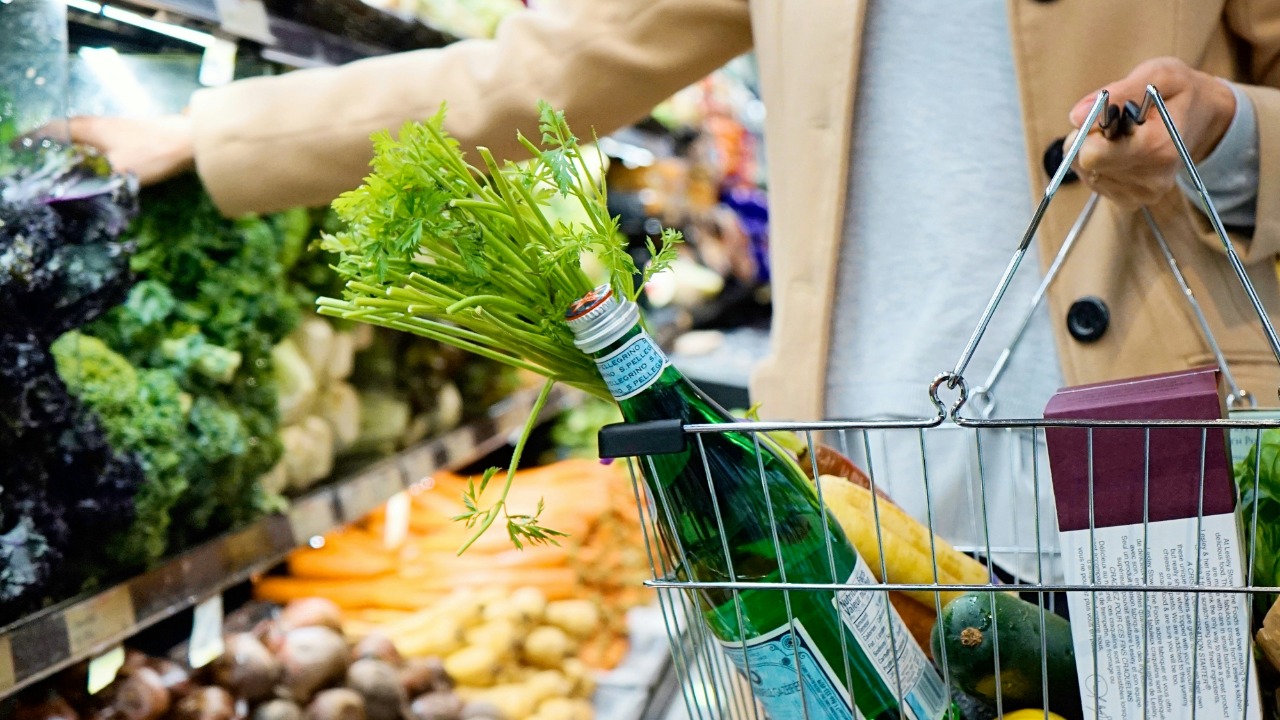
As the landscape of SNAP (Supplemental Nutrition Assistance Program) benefits continues to evolve, several states are implementing new restrictions on what can be purchased with these benefits. This shift aims to promote healthier eating habits among beneficiaries by limiting access to certain types of food and beverages deemed unhealthy. Here, we explore six specific types of food that are being banned from SNAP purchases, highlighting the states leading these changes and the implications for SNAP recipients.
1) Soda
Soda has become a focal point in the ongoing debate over SNAP benefits, with more states taking steps to restrict its purchase. As of August 2025, several states have implemented policies banning the use of SNAP benefits to buy soda, reflecting a broader trend towards limiting sugary beverages. This move is part of a larger effort to curb the consumption of high-sugar drinks, which are often linked to health issues such as obesity and diabetes. The decision to target soda specifically underscores the growing concern over its impact on public health.
The push to ban soda from SNAP purchases is not without controversy. Proponents argue that it encourages healthier choices and reduces healthcare costs associated with diet-related diseases. Critics, however, contend that it limits personal freedom and disproportionately affects low-income individuals who rely on SNAP benefits. Despite these debates, the momentum for soda bans continues to grow, with states like Louisiana already implementing similar restrictions. According to Food Dive, these policy shifts are part of a broader strategy to promote nutritional well-being among SNAP recipients.
As more states consider similar measures, the implications for SNAP beneficiaries are significant. Those who rely on these benefits may need to adjust their shopping habits and find alternative beverages that meet the new guidelines. This transition could also spur discussions about the role of government in influencing dietary choices and the balance between public health initiatives and individual rights.
2) Junk Food
Florida has taken a significant step in the regulation of SNAP purchases by securing approval from the USDA to ban junk food. This decision, effective as of August 2025, marks a pivotal moment in the state’s approach to SNAP benefits. The ban encompasses a wide range of unhealthy items, including chips, candy, and other processed snacks, aiming to encourage healthier eating habits among recipients. This move aligns with Florida’s broader public health goals and reflects a growing trend among states to impose similar restrictions.
The approval from the USDA highlights the federal government’s willingness to support state-led initiatives aimed at improving nutritional standards for SNAP beneficiaries. By targeting junk food, Florida hopes to reduce the prevalence of diet-related health issues and promote better dietary choices. This decision is part of a larger national conversation about the role of SNAP in addressing public health concerns and the potential benefits of restricting certain food items.
However, the ban has sparked debate among policymakers, health advocates, and SNAP recipients. While some view it as a necessary step towards improving public health, others argue that it limits personal choice and may not effectively address the root causes of poor nutrition. As states like Florida continue to implement these changes, the impact on SNAP recipients will be closely monitored. The success of such initiatives could influence other states to adopt similar measures, further shaping the future of SNAP benefits. For more details, visit WUSF.
3) Junk Food in Six More States
In addition to Florida, six more states have recently enacted bans on junk food purchases using SNAP benefits. This expansion of restrictions reflects a growing consensus among state governments about the need to address unhealthy eating habits among SNAP recipients. The decision to ban junk food is part of a broader effort to promote healthier lifestyles and reduce the burden of diet-related diseases. These states are following a trend that has gained momentum across the country, with policymakers increasingly focusing on the nutritional quality of food purchased with government assistance.
The move to restrict junk food purchases is supported by evidence linking processed snacks to various health issues, including obesity and heart disease. By limiting access to these items, states aim to encourage SNAP recipients to make healthier food choices and improve their overall well-being. This approach aligns with broader public health initiatives that emphasize the importance of nutrition in preventing chronic diseases and reducing healthcare costs.
However, the implementation of these bans is not without challenges. Critics argue that such restrictions may not effectively change eating habits and could disproportionately affect low-income individuals who rely on SNAP benefits. Despite these concerns, the trend towards banning junk food continues to gain traction, with more states considering similar measures. As this movement grows, the impact on SNAP recipients and the broader implications for public health will be closely scrutinized. For further information, see Newsweek.
4) Candy
Missouri is actively seeking a federal waiver to ban the purchase of candy with SNAP benefits. This initiative is part of a broader effort by the state to limit access to sugary treats and promote healthier eating habits among SNAP recipients. The proposed ban on candy reflects growing concerns about the impact of sugar consumption on public health, particularly in relation to obesity and diabetes. By targeting candy, Missouri aims to reduce the availability of high-sugar snacks and encourage healthier dietary choices.
The state’s request for a federal waiver underscores the challenges involved in implementing such bans. While some states have successfully restricted certain food items, others face hurdles in securing the necessary approvals. Missouri’s efforts highlight the complexities of balancing state-led initiatives with federal regulations and the need for collaboration between different levels of government. This process is crucial for ensuring that proposed bans align with broader public health goals and effectively address the nutritional needs of SNAP recipients.
The potential ban on candy has sparked debate among policymakers, health advocates, and SNAP recipients. Supporters argue that it is a necessary step towards improving public health, while critics contend that it limits personal choice and may not effectively change eating habits. As Missouri continues to pursue this waiver, the outcome will be closely watched by other states considering similar measures. The success of such initiatives could pave the way for further restrictions on sugary snacks and contribute to a broader shift towards healthier eating habits among SNAP beneficiaries. For more details, visit Missouri Independent.
5) Desserts
In addition to candy, Missouri is also seeking a federal waiver to ban the purchase of desserts with SNAP benefits. This initiative targets sweet baked goods and similar confections, reflecting the state’s commitment to promoting healthier eating habits among SNAP recipients. The proposed ban on desserts is part of a broader effort to reduce the consumption of high-sugar foods and address the growing prevalence of diet-related health issues.
The decision to target desserts highlights the challenges of balancing nutritional goals with personal choice. While some argue that restricting access to sugary foods is necessary for improving public health, others contend that it limits individual freedom and may not effectively change eating habits. Despite these debates, Missouri’s efforts to ban desserts underscore the state’s commitment to addressing the nutritional needs of SNAP recipients and promoting healthier lifestyles.
The potential impact of this ban on SNAP recipients is significant. Those who rely on these benefits may need to adjust their shopping habits and find alternative options that meet the new guidelines. This transition could also spur discussions about the role of government in influencing dietary choices and the balance between public health initiatives and individual rights. As Missouri continues to pursue this waiver, the outcome will be closely monitored by other states considering similar measures. For further information, see Missouri Independent.
6) Candy (Controversial Bans)
The debate over banning candy from SNAP purchases is not new, but it remains a contentious issue. Proposed bans on candy have resurfaced, sparking discussions about the role of SNAP in promoting healthy eating habits. These bans are part of a broader effort to address the impact of sugar consumption on public health, particularly in relation to obesity and diabetes. However, the controversy surrounding these proposals highlights the challenges of implementing such measures.
Supporters of candy bans argue that they are necessary for improving public health and reducing healthcare costs associated with diet-related diseases. By limiting access to high-sugar snacks, proponents believe that SNAP recipients will be encouraged to make healthier food choices. However, critics contend that these bans limit personal freedom and may not effectively change eating habits. The debate over candy bans underscores the complexities of balancing nutritional goals with individual rights and the need for evidence-based policies that address the root causes of poor nutrition.
As discussions about candy bans continue, the implications for SNAP recipients and the broader public health landscape are significant. The outcome of these debates could influence future policy decisions and shape the direction of SNAP benefits. As states and policymakers grapple with these issues, the focus remains on finding effective solutions that promote healthier eating habits while respecting individual choice. For more insights, visit Civil Eats.
More From TheDailyOverview
- Dave Ramsey says these two simple questions show whether you’re rich or poor
- Retired But Want To Work? Try These 18 Jobs for Seniors That Pay Weekly
- IRS raises capital gains thresholds for 2026 and what’s new
- 12 ways to make $5,000 fast that actually work

Cole Whitaker focuses on the fundamentals of money management, helping readers make smarter decisions around income, spending, saving, and long-term financial stability. His writing emphasizes clarity, discipline, and practical systems that work in real life. At The Daily Overview, Cole breaks down personal finance topics into straightforward guidance readers can apply immediately.

