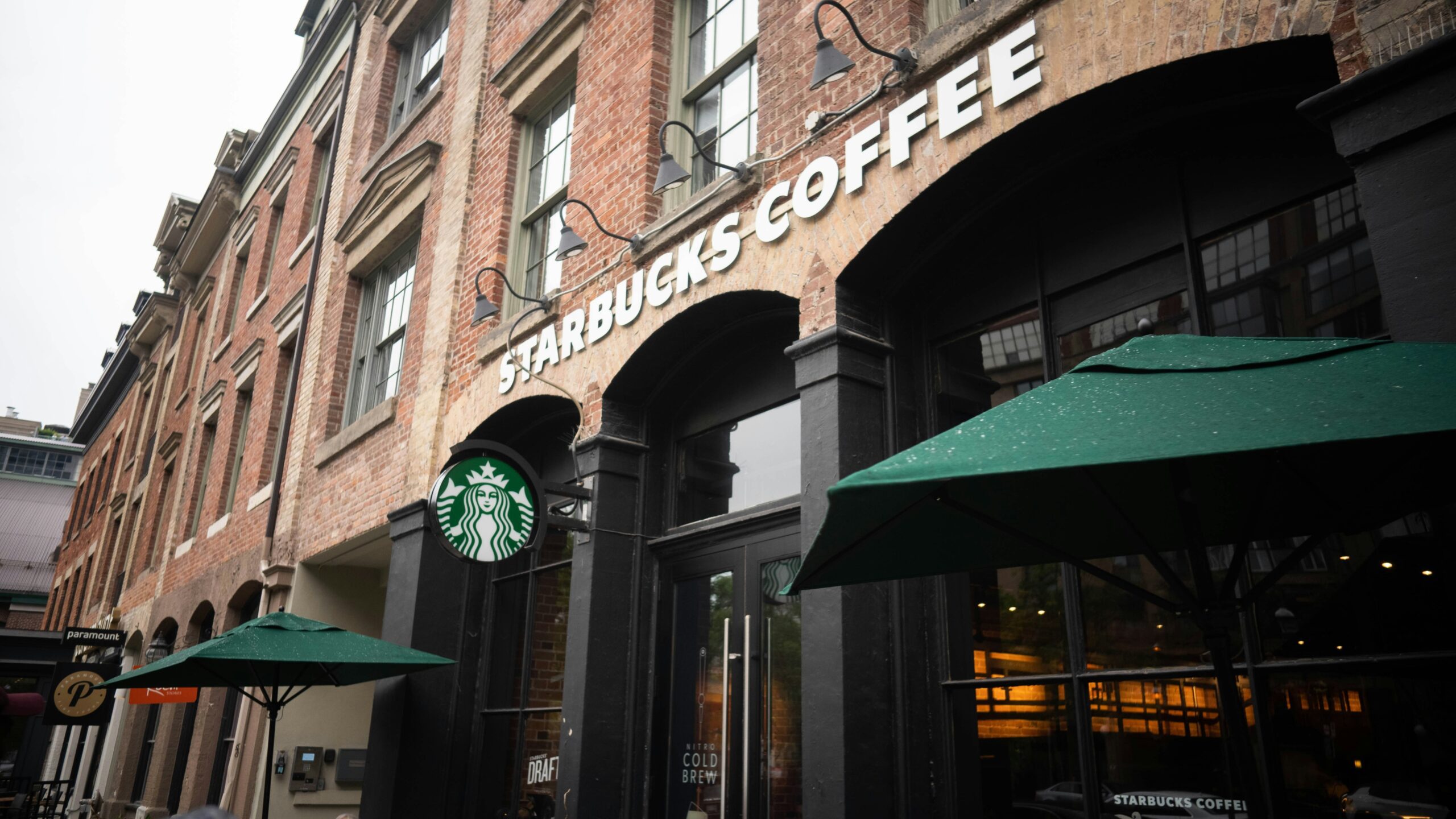
Starbucks is turning its loyalty ladder into something closer to an airline status chart, with shiny new tiers and stricter limits on what your points can buy. The revamped Starbucks Rewards system, rolling out in March 2026, promises more personalization and perks for heavy users, but it also quietly trims the value of Stars on many everyday drinks. The result is a program that can easily cost you more than coffee if you are not paying attention to how, and where, your rewards are redeemed.
At the heart of the shift is a tradeoff: more structure and status in exchange for tighter caps and nudges toward merchandise and small add‑ons. For casual customers who used to treat Stars as a simple punch card, the new rules turn every latte into a math problem, and the house has done the arithmetic in its own favor.
The new status ladder: Reserve glamour, everyday grind
The centerpiece of the overhaul is a tiered system that turns Starbucks Rewards into a status game. At the top sits the new Reserve Member level, which customers reach once they earn 2,500 Stars in a 12‑month period, a threshold that effectively separates daily regulars from everyone else. Starbucks pitches this as a way to deliver more tailored offers and access, a kind of coffee‑class upgrade that mirrors how airlines treat their most frequent flyers. The structure is meant to make loyalty feel aspirational, but it also raises the bar for what counts as meaningful participation in the program.
Below Reserve, the company is reshuffling how members earn and use Stars, including tweaks to how many Stars you get for every dollar spent and how those Stars unlock benefits at each member level. Reporting on the rollout notes that Starbucks has framed the changes as a way to give customers “more meaningful value” and engagement, with Jan communications emphasizing that Starbucks Rewards is still open to anyone who downloads the app or scans a card at the register. In practice, though, the new hierarchy makes it clear that the richest rewards are reserved for those who spend heavily and consistently, while everyone else is nudged toward smaller, more frequent redemptions that are cheaper for the company to honor.
Redemption caps: when a Star is not always a Star
The most controversial change sits not in the status labels but in the fine print of what Stars can actually buy. Under the new system, Starbucks is capping the value of redemptions so that 100 Star rewards top out at a 6 dollar drink, 200 Stars at 10 dollars, and 300 Stars at 16 dollars. That means if you used to burn 200 Stars on a tricked‑out venti drink that rang up closer to 12 dollars, the extra value simply disappears under the new cap. The Star in your account has not changed, but the ceiling on what it can unlock has, and that is a quiet devaluation for anyone who favored premium beverages.
The company is also tightening how Stars can be stacked across an order, a move that has frustrated both customers and workers. One barista posting in a February thread described how, under the old rules, people would split a single visit into multiple transactions to maximize redemptions, a tactic that slowed lines and complicated workflow, and said bluntly, “as a barista, I hated it” in response to the new caps discussion on Feb. From Starbucks’ perspective, capping redemptions and discouraging order‑splitting protects margins and speeds operations. From the customer side, it means the same pile of Stars now buys less flexibility and less value, especially if you are used to pushing the limits of what “free” could mean.
Micro‑redemptions and Mod Mondays: the nudge toward small extras
Alongside the caps, Starbucks is leaning into what loyalty experts call micro‑redemptions, tiny uses of points for small upgrades that feel indulgent but cost the company relatively little. The updated chart keeps a 25‑point option for a drink modification, such as an additional espresso shot or a splash of an alternative milk, which turns Stars into a kind of digital tip jar for customization rather than a path to a full free drink. Industry analysis has highlighted how Starbucks uses these micro‑redemptions to shift behavior, encouraging customers to burn Stars in smaller increments that are easier to absorb on the balance sheet.
The company is also dangling new monthly perks that sound generous but are carefully scoped. A widely shared explainer notes that Now everyone, regardless of status, will be able to take advantage of free Mod Mondays, which offer one free modification a month like an extra shot or syrup, a benefit promoted in an Now reel. On paper, that democratizes at least one treat for all members. In practice, it trains customers to think of modifications as the default way to “use” the program, while the more expensive redemptions are fenced in by dollar caps. The psychological effect is powerful: you feel rewarded often, but the company has tightly managed how much that feeling actually costs.
Backlash, legal fine print, and the value gap for casual drinkers
Not surprisingly, the reaction from some Starbucks Rewards members has been sharp. A detailed breakdown on Reddit, posted in Jan under the title Is the 2026 Starbucks Rewards Program worth it, argues that the new structure is a bad deal unless you are spending thousands of dollars a year, and warns that You effectively trade away legal rights in the fine print before you even get to the math of Stars versus dollars. The author concludes that, in short, unless you spend heavily, the program offers “terrible value for money spent,” a sentiment that has echoed across other customer forums and comment sections linked to the rollout.
Other customers have focused less on legal terms and more on the everyday experience of seeing their favorite hacks shut down. A viral Jan Facebook post titled “Stars update! No expensive drinks allowed” complained that the new rules would kill off super iced coffee TikTok hacks that once let savvy users stretch their Stars into oversized, heavily customized drinks, a frustration captured in the Stars update. This is where the program’s new economics bite hardest: casual drinkers who used to occasionally score an outsized freebie now find the edges sanded off, while the richest perks are locked behind sustained, high‑dollar spending that many will never reach.
Merch, margins, and what Starbucks really wants you to buy
Behind the scenes, the logic of the redesign is as much about what you buy as how often you visit. Company messaging and financial commentary have emphasized a growing focus on merchandise, from tumblers to coffee beans, as a higher‑margin way to monetize loyalty. Coverage of the changes notes that Starbucks Rewards is being repositioned to steer members toward merch redemptions and purchases, with Some customers openly criticizing the shift and questioning whether the program still feels centered on coffee at all. It is a classic loyalty play: use points to clear inventory and showcase branded goods, while tightening the screws on the most popular, perishable items like handcrafted drinks.
The new redemption chart reflects that strategy. Analysis of the updated Starbucks Stars rates shows that while 25 points still buys a Drink modification, higher tiers now explicitly include options for coffee merchandise up to a set dollar value, which makes it easier for Starbucks to predict and manage costs tied to redemptions on mugs, bags of beans, or other shelf‑stable products, as outlined in the What breakdown. For customers, that means the path of least resistance increasingly runs through the merch wall, not the espresso bar, and the program’s value proposition shifts from “free coffee” to “discounted stuff” unless you are very intentional about how you redeem.
More From The Daily Overview
*This article was researched with the help of AI, with human editors creating the final content.

Silas Redman writes about the structure of modern banking, financial regulations, and the rules that govern money movement. His work examines how institutions, policies, and compliance frameworks affect individuals and businesses alike. At The Daily Overview, Silas aims to help readers better understand the systems operating behind everyday financial decisions.

