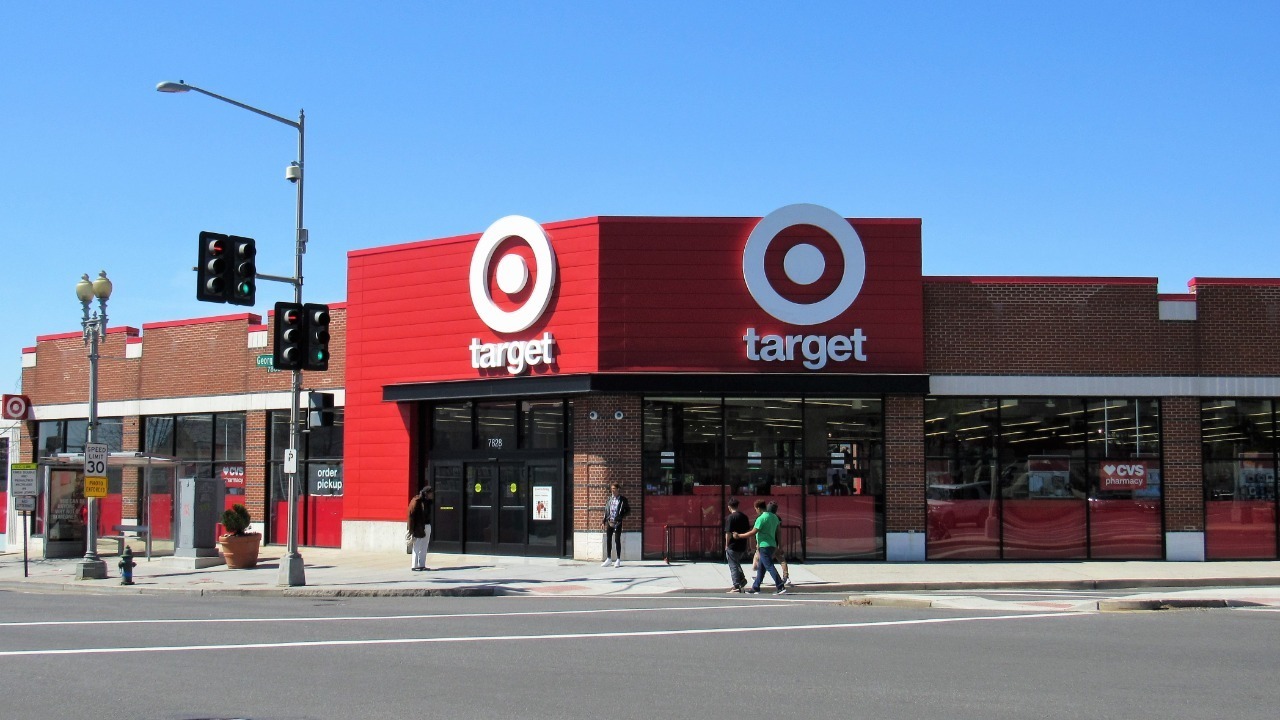
Target is cutting prices on thousands of everyday items heading into the holidays, signaling that the retailer is willing to sacrifice some margin to win back budget‑strained shoppers. The move, which covers roughly 3,000 products now and is expected to reach about 5,000 over the summer, sets an aggressive tone for a season when consumers are watching every dollar.
I see this as the clearest sign yet that big‑box chains are shifting from talking about inflation to actively undercutting it on the shelf, using food staples and household basics as their sharpest tools. How rivals respond will help determine whether this is a one‑off promotion or the start of a broader reset in how much Americans pay for core goods.
Target’s price cuts and what is actually getting cheaper
Target is not nibbling around the edges of its assortment, it is going straight at the items that anchor a weekly shopping trip. The company has said it is lowering prices on about 3,000 products now, with plans to extend that to roughly 5,000 items over the coming months, focusing on food, beverages and household essentials that families buy repeatedly. That list includes national brands such as Clorox, Huggies and Pepperidge Farm Goldfish, along with Target’s own Good & Gather and Everspring labels, which are central to its private‑brand strategy and margin structure. By concentrating cuts in these categories, Target is trying to make the total basket feel cheaper, not just a handful of eye‑catching loss leaders, while still keeping higher‑margin discretionary goods like apparel and home decor largely intact, according to the company’s outlined plans in its recent pricing update.
The scale of the reductions is designed to be visible at the shelf, not just in corporate talking points. Target has highlighted specific examples such as a 20‑ounce Good & Gather frozen vegetable bag dropping from about 99 cents to 79 cents and a 75‑count Clorox disinfecting wipes canister moving from roughly 5.79 dollars to 4.99 dollars, with similar adjustments across snacks, coffee, paper towels and diapers. Those are not life‑changing sums on a single item, but across a cart that might include cereal, pasta, cleaning supplies and baby products, the retailer is betting that shoppers will feel a meaningful difference in their final receipt. The company has said many of the new prices will remain in place through at least the summer, framing the move as a sustained reset rather than a short‑term holiday doorbuster, a point underscored in its detailed list of thousands of reduced items.
Why Target is moving now: inflation fatigue and traffic pressure
The timing of Target’s cuts reflects a simple reality: shoppers are tired of paying more, even as official inflation readings have cooled from their peak. Food prices in particular remain well above pre‑pandemic levels, and many households have already responded by trading down to store brands, buying smaller quantities or skipping nonessential items altogether. Target has felt that strain in its own numbers, with comparable sales under pressure as customers pull back on discretionary categories like home goods and electronics and focus more on groceries and basics. By trimming prices on staples, the retailer is trying to relieve some of that “sticker shock” at a moment when consumers are highly sensitive to perceived value, a dynamic it has acknowledged in recent commentary on shopper behavior.
There is also a competitive urgency behind the move. Walmart has leaned heavily on its grocery strength to gain market share among higher‑income households, while club chains like Costco and Sam’s Club continue to pitch bulk value as a hedge against inflation. Target, which historically leaned more on style and curation, cannot afford to be seen as the pricier option on milk, paper towels or laundry detergent when budgets are tight. The company has already been contending with softer store traffic and a shift toward smaller, more frequent trips, trends that threaten its ability to drive profitable basket sizes. By cutting prices now, ahead of the peak holiday rush, Target is trying to reset customer expectations and signal that it is willing to compete aggressively on everyday value, a strategy it has framed as essential to stabilizing traffic in its recent earnings discussion.
How the cuts fit into Target’s broader turnaround strategy
Target’s price reductions are not happening in isolation, they are part of a broader effort to recalibrate the business after a stretch of uneven performance. The retailer has been working to clean up excess inventory, streamline assortments and sharpen its focus on categories where it believes it has a durable edge, such as beauty, baby and affordable home goods. At the same time, it has been investing in its owned brands, which now span everything from groceries to apparel and generate higher margins than comparable national labels. By selectively lowering prices on both national and private‑label staples, Target is trying to protect its value reputation while still nudging shoppers toward its in‑house lines, a balance it has described in its strategic updates on long‑term growth plans.
The company is also leaning on its operational strengths to make the math work. Target has spent years building out its same‑day services like Drive Up and Order Pickup, which reduce last‑mile delivery costs by using stores as fulfillment hubs. It has pushed suppliers to improve packaging and logistics efficiency, and it has been cautious about store expansion, focusing instead on remodeling existing locations and adding smaller urban formats where it sees clear demand. Those efforts give it some room to absorb lower prices on key items without completely eroding profitability. Executives have signaled that they expect to offset part of the hit through higher volumes, mix shifts toward owned brands and continued cost discipline, a trade‑off they outlined when discussing how the new pricing fits into their profit outlook.
What this means for rivals and the wider holiday price war
When a retailer of Target’s scale cuts prices on thousands of everyday goods, it rarely stays a one‑company story. Grocers and mass merchants watch each other’s shelf tags closely, and many use price‑matching guarantees or dynamic promotions to avoid being undercut on high‑visibility items. Walmart has already been emphasizing its own rollbacks on groceries and household products, while regional chains and dollar stores have been experimenting with sharper discounts on private‑label food and cleaning supplies. Target’s latest move raises the stakes heading into the holidays, increasing the likelihood that competitors will respond with their own cuts or more aggressive promotions on overlapping categories, a pattern that has played out in past cycles documented in industry coverage.
The ripple effects could extend beyond big‑box rivals. Consumer packaged goods makers, from snack brands to diaper manufacturers, are already under pressure to justify price hikes taken over the last several years. If retailers insist on lower shelf prices to stay competitive, suppliers may have to absorb more of the margin hit or find additional cost savings in production and distribution. That tension is likely to shape negotiations between chains like Target and their vendors over the coming quarters, especially as both sides weigh how far they can push promotions without training shoppers to wait for deals. Analysts have warned that a prolonged price battle on staples could compress profits across the sector, even as it offers some relief to households, a trade‑off reflected in recent assessments of retailer margins.
How much relief shoppers will actually feel
For consumers, the key question is not how many SKUs are on Target’s internal list, but how much smaller the final bill looks at checkout. A 1 dollar drop on a canister of wipes or a 20 cent cut on frozen vegetables will not transform a family budget on its own, yet across a full cart the savings can add up, especially for households that rely on Target for a mix of groceries, baby products and cleaning supplies. The psychological impact also matters. Seeing more red price tags pointing down on staples can reinforce the sense that prices are finally moving in the right direction after years of steady increases, which may encourage shoppers to add back a few items they had been skipping. Target is clearly aiming for that perception shift, highlighting examples of lower prices on items like snacks, coffee and paper towels in its announcement of reductions.
Still, it is important to keep the cuts in perspective. Many of the new prices are rolling back only a portion of the increases taken since the pandemic, not resetting goods to their 2019 levels. A shopper who remembers paying significantly less for the same box of cereal or pack of diapers may welcome the discount yet still feel that the baseline has shifted higher. And while Target’s move could spur broader competition, there is no guarantee that every retailer will match every cut, particularly in markets where they face less direct overlap. For now, the clearest takeaway is that price is once again the central battleground in big‑box retail, and Target has chosen to fire an early shot heading into the holidays, a strategy that will be tested in its upcoming sales results as shoppers decide whether the new numbers on the shelf feel like enough of a break.
More From TheDailyOverview

Silas Redman writes about the structure of modern banking, financial regulations, and the rules that govern money movement. His work examines how institutions, policies, and compliance frameworks affect individuals and businesses alike. At The Daily Overview, Silas aims to help readers better understand the systems operating behind everyday financial decisions.

