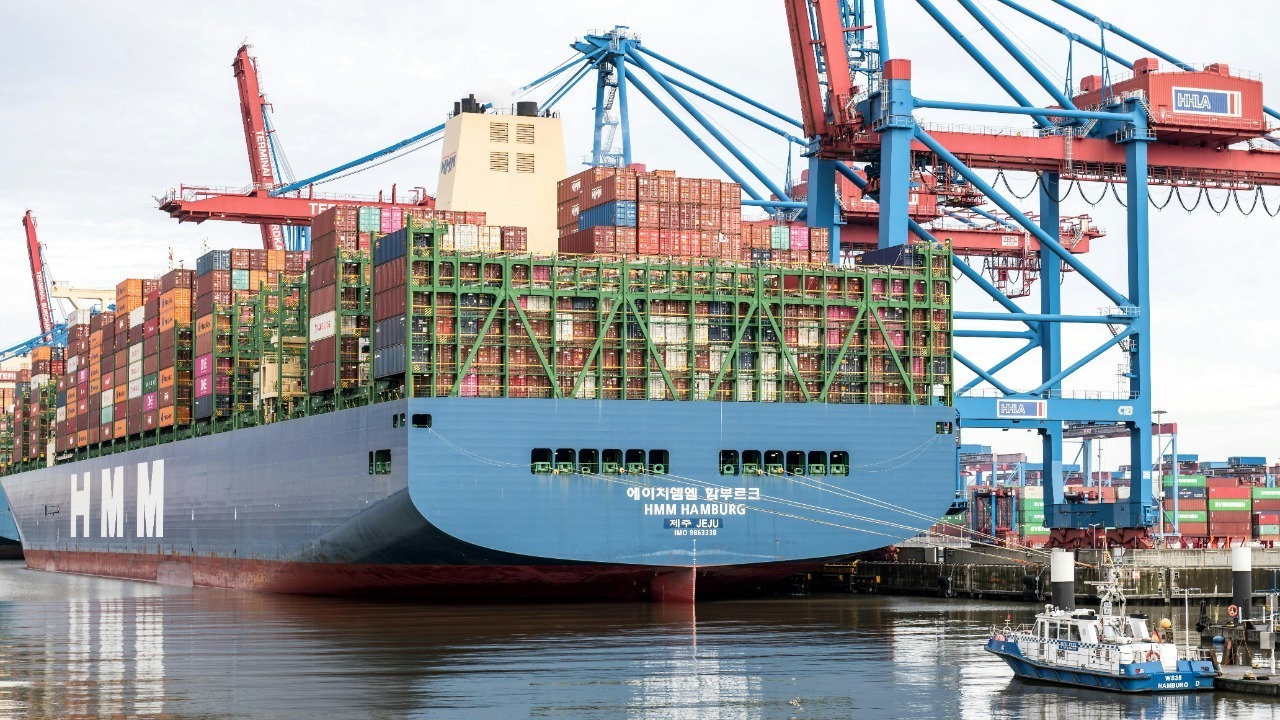
Recent analysis by Deutsche Bank highlights that American consumers are predominantly shouldering the burden of tariffs, a situation that could lead to further price increases. With tariffs originally intended to boost domestic industries, the actual economic impact appears to be hitting consumers’ wallets the hardest.
The Impact of Tariffs on American Consumers

The implementation of tariffs under the Trump administration was initially designed to protect and boost domestic industries by making imported goods more expensive, thereby encouraging consumers to buy American-made products. However, the reality has deviated significantly from these objectives. Consumers have experienced a direct hit to their finances as tariffs have resulted in increased costs for imported goods, which in turn have been passed down to consumers as higher prices.
The cost of everyday items—from electronics to groceries—has been affected by these tariffs. For example, tariffs on Chinese imports, such as smartphones and laptops, have led to price hikes on popular products like the iPhone and various other electronics. Additionally, tariffs on raw materials like steel and aluminum have had a cascading effect on the automotive industry, influencing the price tags on new cars and increasing costs for repair parts. This increase in consumer prices is not confined to luxury goods but extends to essential items, impacting American households significantly.
Deutsche Bank’s Findings and Predictions

In a recent report, Deutsche Bank has shed light on the broader economic implications of existing tariffs. According to the analysis, the financial burden of these tariffs is not only currently affecting consumers but is poised to escalate in the future. The bank predicts that price increases are likely to continue, potentially exacerbating inflationary pressures in the economy.
Deutsche Bank’s methodology involved examining various sectors impacted by tariffs and analyzing trade data to forecast potential economic outcomes. Their findings suggest that unless there is a policy shift, consumers might face even higher prices on a wide range of goods. This prediction aligns with concerns from other economic analysts who have observed similar trends in consumer price indices.
To delve deeper into Deutsche Bank’s analysis, you can view their full report here.
The Economic Rationale Behind Tariffs
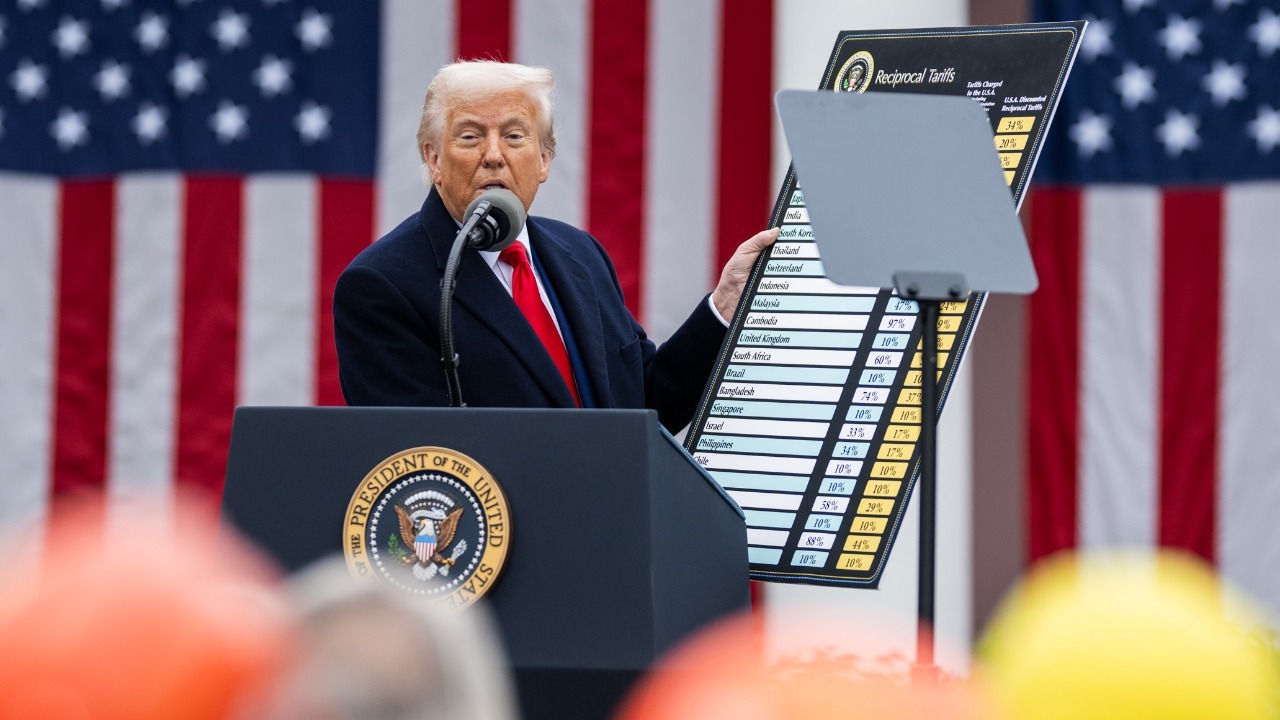
Traditionally, tariffs have been employed as economic tools to protect nascent industries from international competition. The theory posits that by imposing tariffs, domestic industries have a chance to grow without being undercut by cheaper foreign goods. However, the effectiveness of tariffs in achieving these goals is subject to debate.
In practice, the imposition of tariffs has often led to unintended economic consequences. Historical data suggests that while some industries might benefit temporarily, the overall economy can suffer due to increased consumer prices and strained international trade relations. The Smoot-Hawley Tariff Act of 1930 is a prime example, where tariffs were raised on over 20,000 imported goods, leading to a significant decline in international trade and exacerbating the Great Depression.
For a more detailed exploration of economic theories supporting tariffs, the American Economic Association provides insightful resources and historical analyses.
Global Trade Dynamics and Tariff Repercussions
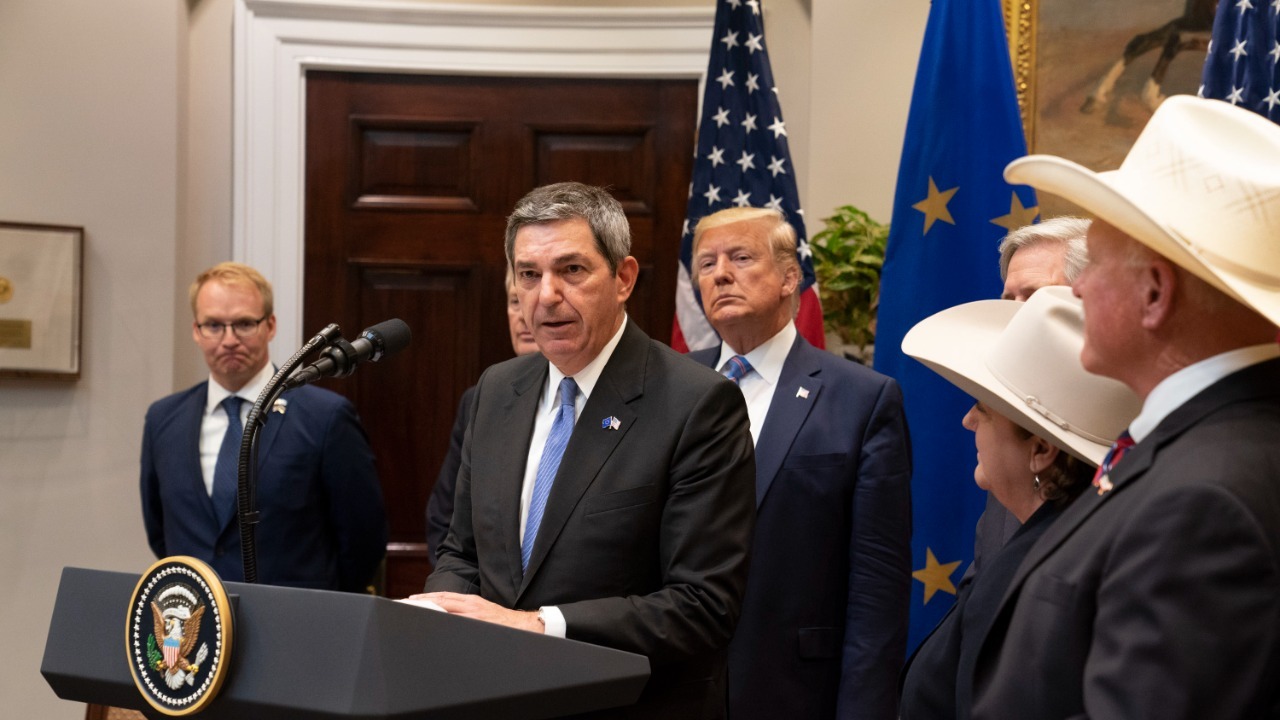
Tariffs have not only impacted domestic markets but have also complicated international trade relationships. Key trading partners such as the EU and Japan have been directly affected, leading to tensions in trade negotiations. The imposition of tariffs has sometimes prompted retaliatory measures, adding further strain to international trade agreements.
For instance, the EU has responded with its own set of tariffs on American products, impacting industries such as agriculture and manufacturing. This tit-for-tat strategy can lead to a cycle of retaliation that ultimately hampers global economic stability. In ongoing trade negotiations, tariffs remain a crucial point of contention, influencing diplomatic relations and trade policies.
For more updates on how tariffs are influencing trade discussions, including the stalled talks between the US and the EU, check out this live update.
What the Future Holds for American Consumers
The future of tariffs and their impact on American consumers will largely depend on policy decisions by current and future administrations. While some politicians advocate for maintaining or even increasing tariffs to protect American jobs, others argue for reducing them to alleviate consumer costs and improve international relations.
Consumers and businesses can adopt various strategies to mitigate the impact of tariffs. Diversifying supply chains, sourcing goods from countries with lower tariffs, and investing in domestic manufacturing are some ways businesses are adapting. For consumers, staying informed about price trends and seeking alternatives to high-tariff goods can help manage expenses.
Long-term economic forecasts suggest that if tariffs remain in place without significant policy changes, consumer prices may continue to rise. However, shifts in government policy could alter this trajectory. For a detailed look into the economic impact of tariffs so far this year, you can read more here.

Grant Mercer covers market dynamics, business trends, and the economic forces driving growth across industries. His analysis connects macro movements with real-world implications for investors, entrepreneurs, and professionals. Through his work at The Daily Overview, Grant helps readers understand how markets function and where opportunities may emerge.

