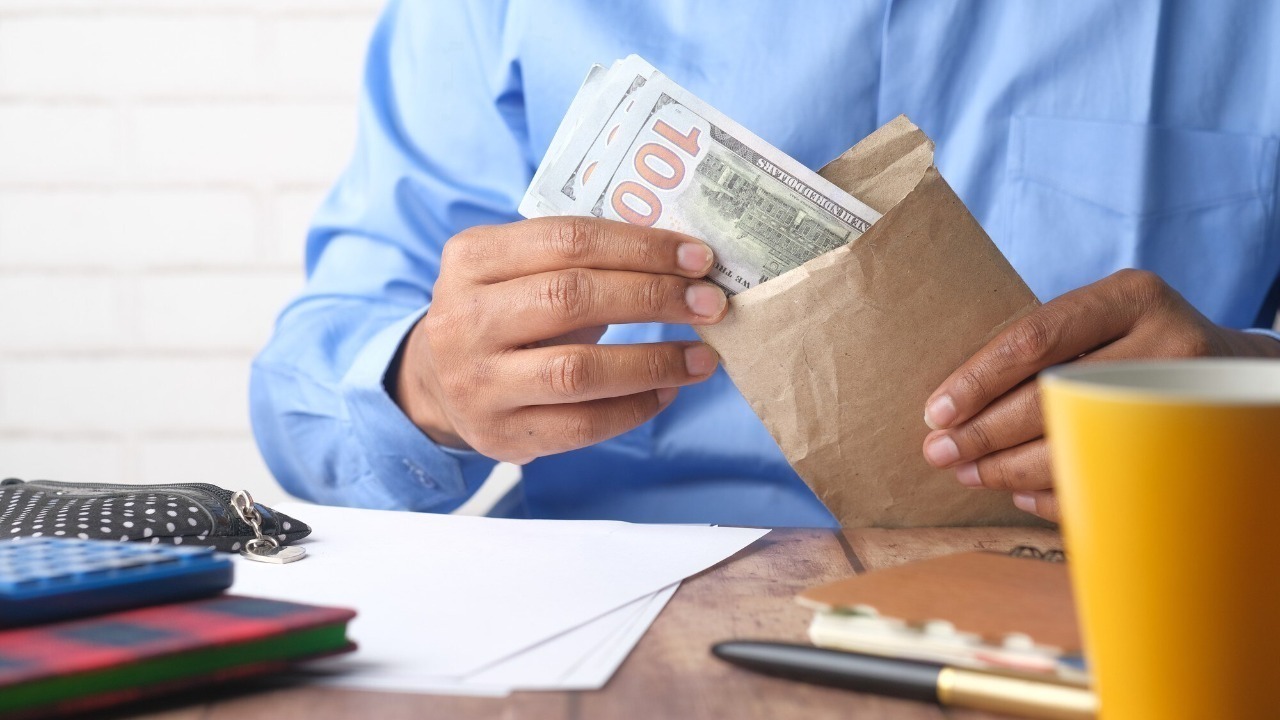
The 100-envelope challenge has become a popular method across the U.S. for quickly building emergency funds, reducing debt, and achieving significant financial goals. This method, which involves saving varying amounts in numbered envelopes over 100 days, claims to help participants save $5,000 rapidly. Promoted on TikTok, the challenge has sparked debates about its effectiveness, with some users claiming it can help save more than $5,000. Since early 2023, the challenge has gained significant attention, with various outlets questioning its true efficacy.
How the 100-Envelope Challenge Operates
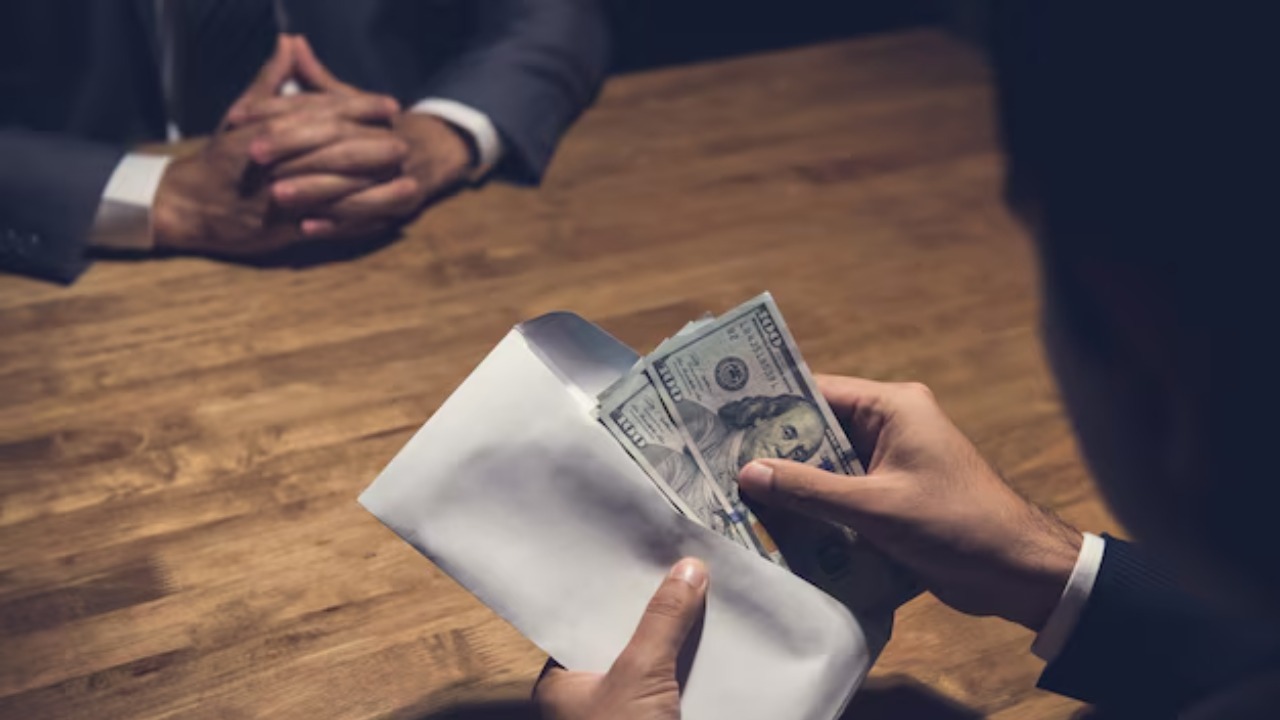
The core mechanic of the 100-envelope challenge is straightforward yet intriguing. Participants number 100 envelopes from $1 to $100. Each day or week, they randomly select an envelope and fill it with the corresponding dollar amount. If completed as designed, this method allows individuals to accumulate a total of $5,050. The randomization aspect adds an element of excitement and unpredictability, potentially leading to savings momentum even if lower amounts are drawn first. This approach is highlighted in a report by the Economic Times.
To accommodate different financial situations, some adaptations of the challenge allow participants to choose envelopes instead of drawing them randomly. This flexibility can make the challenge more accessible to those with varying budgets. TikTok trends have also shown versions where the amounts are scaled to better fit individual financial capabilities, as noted by Time.
Origins and Popularity on TikTok

The 100-envelope challenge gained traction on TikTok in early 2023, with users sharing videos of their progress in filling envelopes. This visual documentation of quick savings progress contributed to the challenge’s viral appeal. By October 2025, it had become a widely discussed method across the U.S. for its potential in building emergency funds and reducing debt, as reported by the Economic Times.
The challenge’s viral nature is partly due to TikTok’s claims that it can help save more than $5,000, which has led to widespread participation and skepticism. Coverage from May 2024 by HuffPost highlights both the enthusiasm and doubts surrounding the challenge’s effectiveness.
The challenge’s rise on TikTok can be attributed to the platform’s unique ability to transform personal finance into a social experience. Users often post videos showcasing their envelope collections, sharing tips on how to stay committed, and celebrating milestones. This community-driven aspect has fostered a sense of accountability and support among participants, encouraging more people to join in. The challenge’s simplicity and tangible results make it particularly appealing to younger audiences who are looking for innovative ways to manage their finances, as noted by Time.
Moreover, the challenge taps into the broader trend of gamifying financial management, which has been gaining traction on social media. By turning savings into a game, participants are more likely to engage consistently and share their progress, further amplifying the challenge’s reach. The viral nature of TikTok ensures that even those who are not actively seeking financial advice are exposed to the challenge, potentially inspiring them to start their own savings journey. This widespread visibility has been crucial in maintaining the challenge’s popularity over time, as highlighted by the HuffPost.
Potential Benefits and Real-World Examples
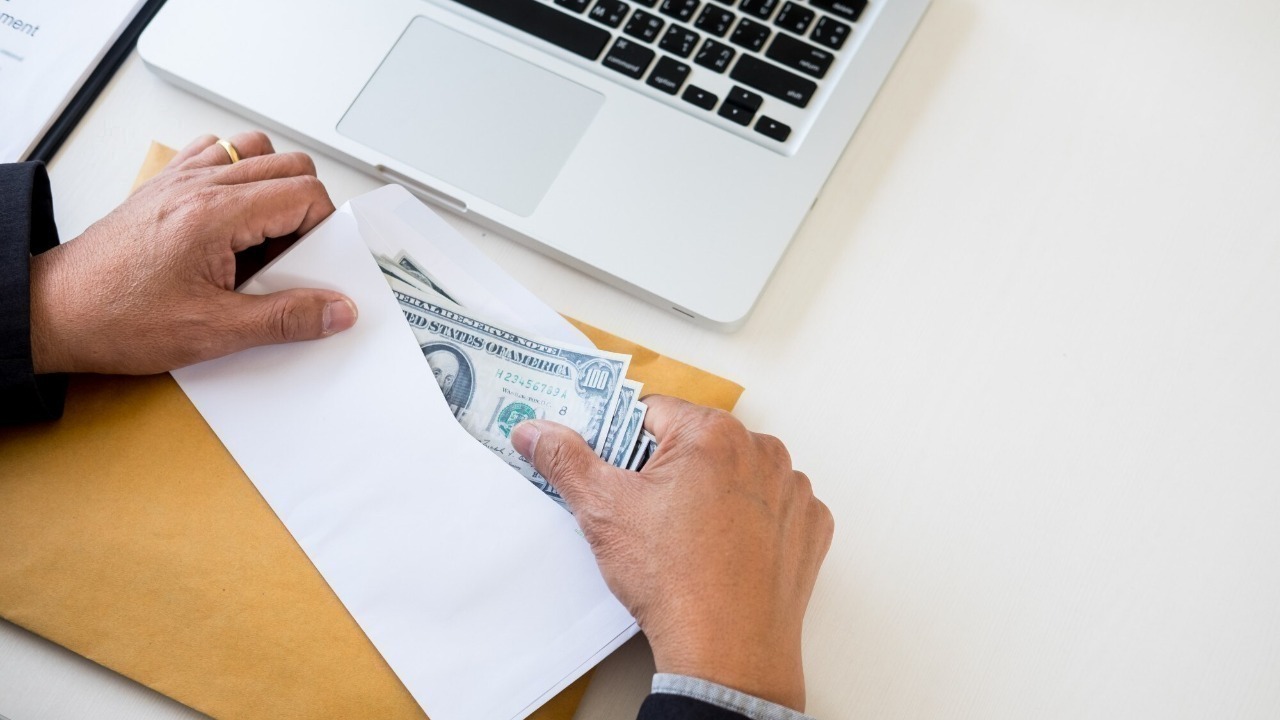
The 100-envelope challenge offers a structured path to achieving financial goals, with the potential to save a total of $5,050 if completed. This method provides a disciplined approach to building savings, which can be particularly beneficial for creating emergency funds. As noted by the Economic Times, the challenge’s design encourages regular saving habits.
Participants on TikTok have reported that the gamified approach of the challenge keeps them motivated, with some achieving significant savings even if they do not complete the full 100 days. The New York Post shares stories of users who have saved thousands of dollars, demonstrating the challenge’s potential impact. In the UK, similar envelope methods are part of broader savings hacks, helping individuals save £5,000 annually through disciplined micro-savings, as highlighted by the Mirror.
Limitations and Criticisms

Despite its popularity, the 100-envelope challenge faces criticism regarding its effectiveness. While it encourages positive saving habits, it may not suit everyone, particularly those with inconsistent cash flow needs. Time notes that the challenge works “sort of,” acknowledging its limitations in certain financial situations.
The feasibility of saving thousands through this method is questioned, with some analyses highlighting the challenge’s sustainability issues. Real participant outcomes, as reported by the New York Post in May 2024, reveal that while some succeed, others find the method challenging to maintain. Economic barriers also play a role; for individuals without a steady income, drawing high amounts randomly could strain their budgets, making the “fast” $5,000 goal difficult to achieve, as discussed by HuffPost.

Cole Whitaker focuses on the fundamentals of money management, helping readers make smarter decisions around income, spending, saving, and long-term financial stability. His writing emphasizes clarity, discipline, and practical systems that work in real life. At The Daily Overview, Cole breaks down personal finance topics into straightforward guidance readers can apply immediately.

