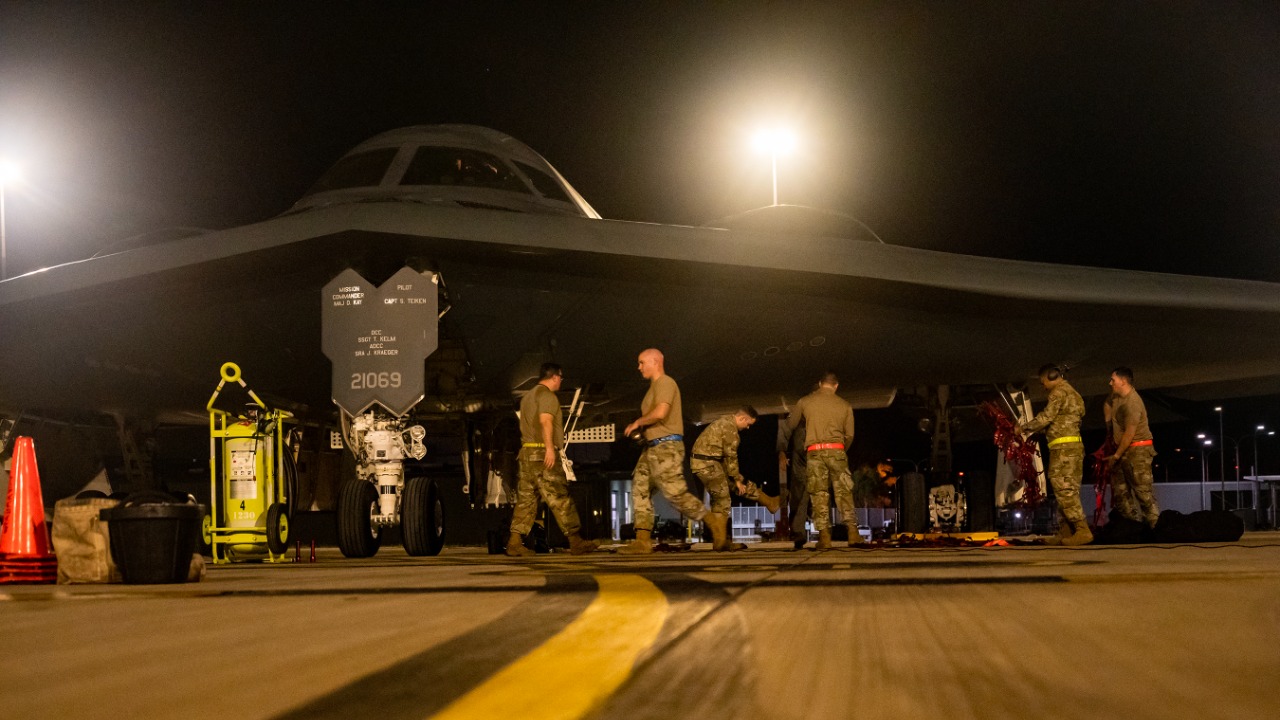
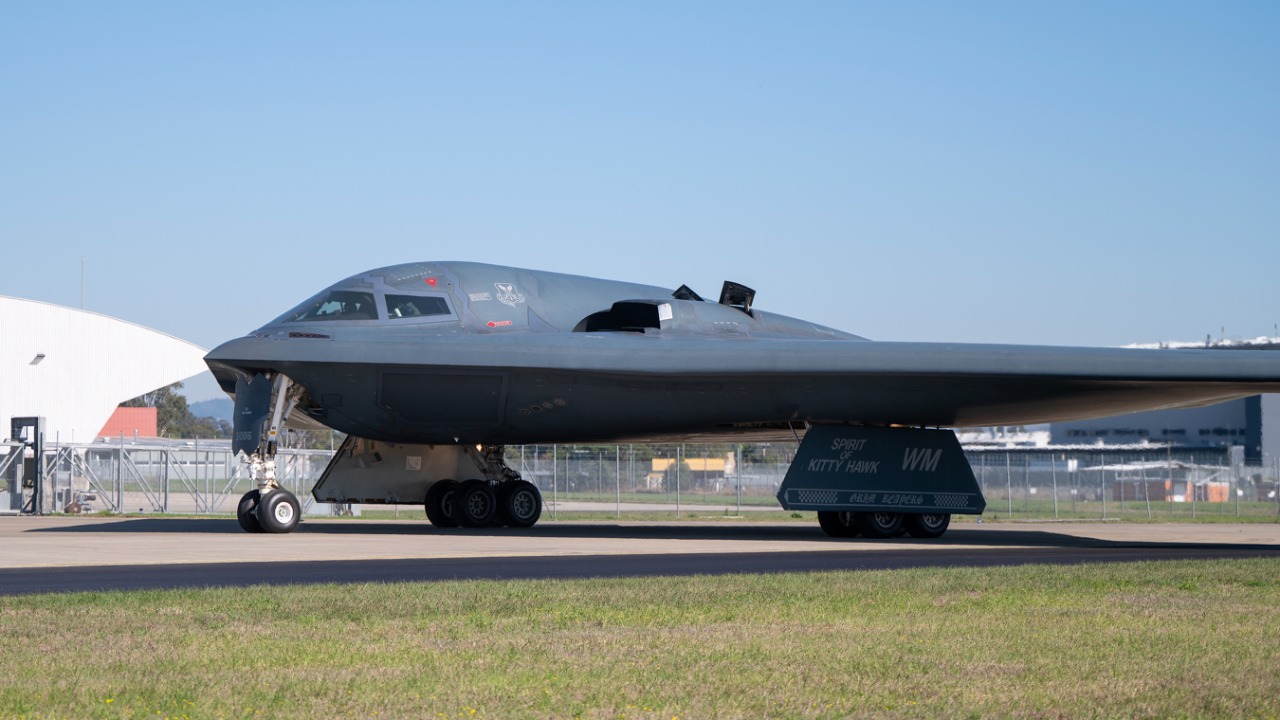
The B-2 Spirit stealth bomber is the most expensive aircraft in the US Air Force, with a staggering unit cost exceeding $2 billion. This highlights the significant financial commitment required for advanced strategic capabilities. In May 2025, the US Air Force was tasked with modifying a Boeing jet originally gifted by Qatar to former President Trump, showcasing the ongoing adaptations of high-value assets for operational needs.
Meanwhile, the production of new engines for the world’s most expensive fighter jets has encountered a six-month delay, potentially impacting fleet readiness and costs.
Strategic Bombers: Pinnacle of Cost and Capability
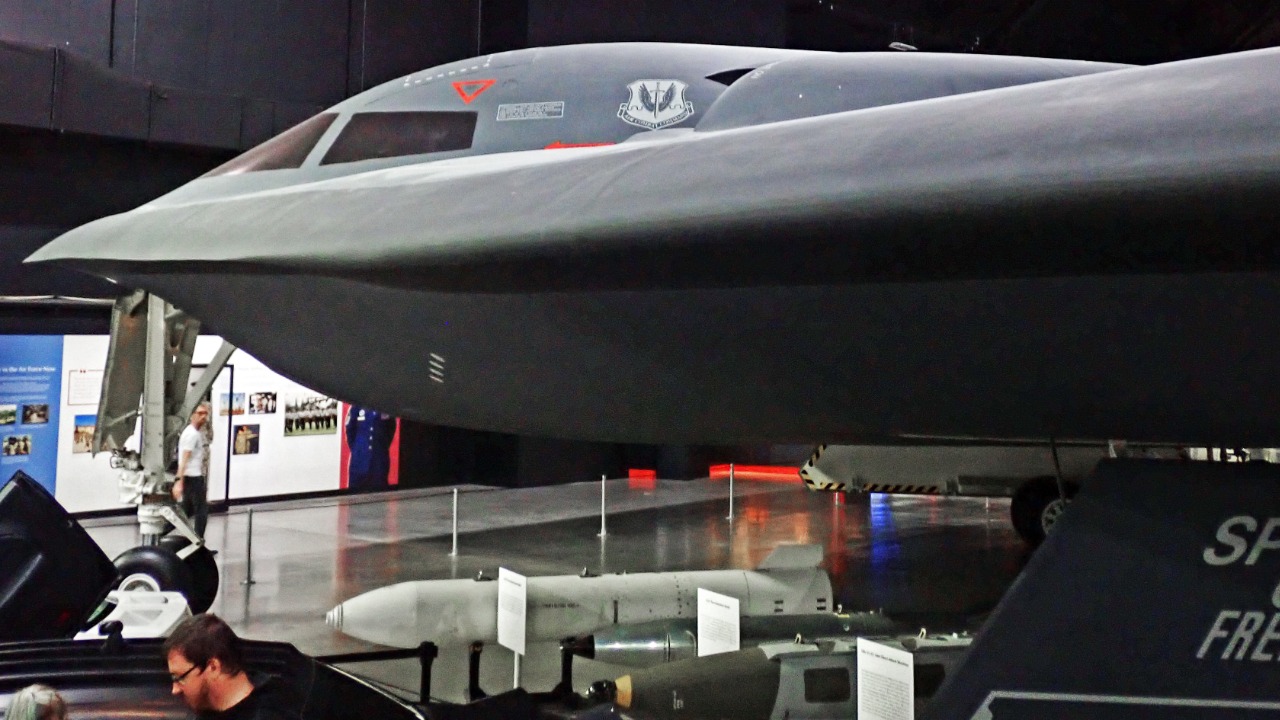
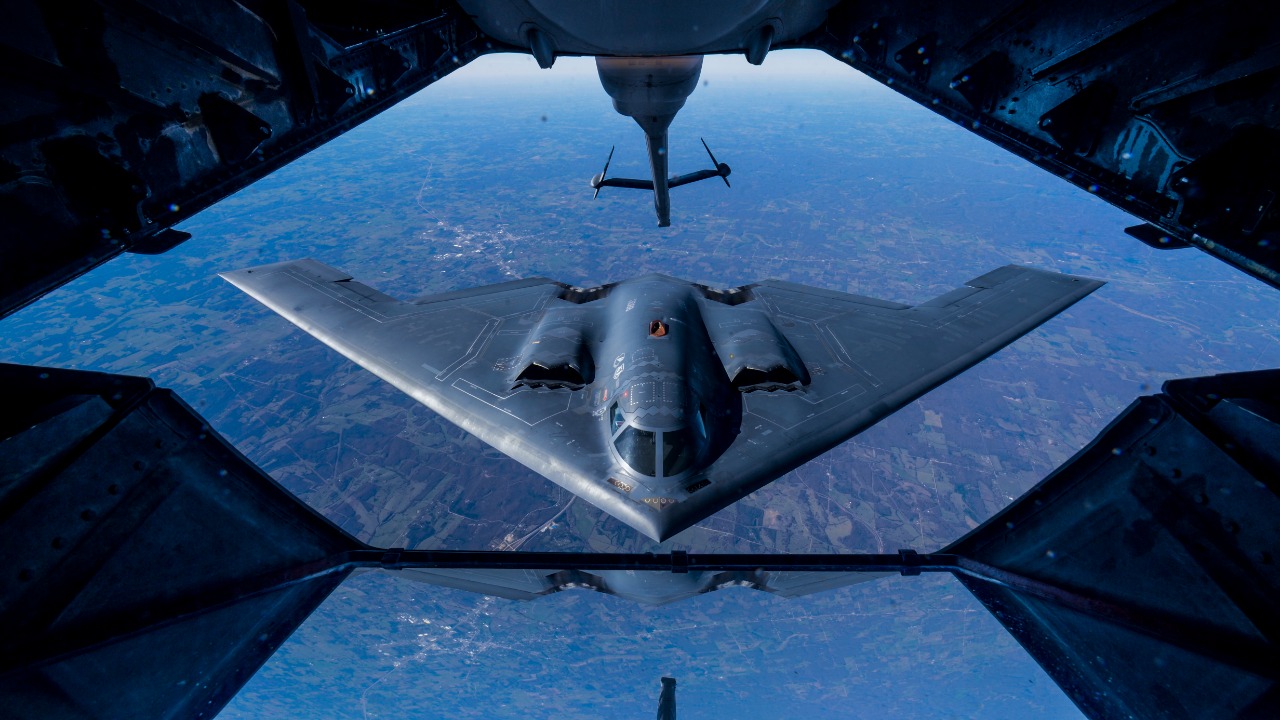
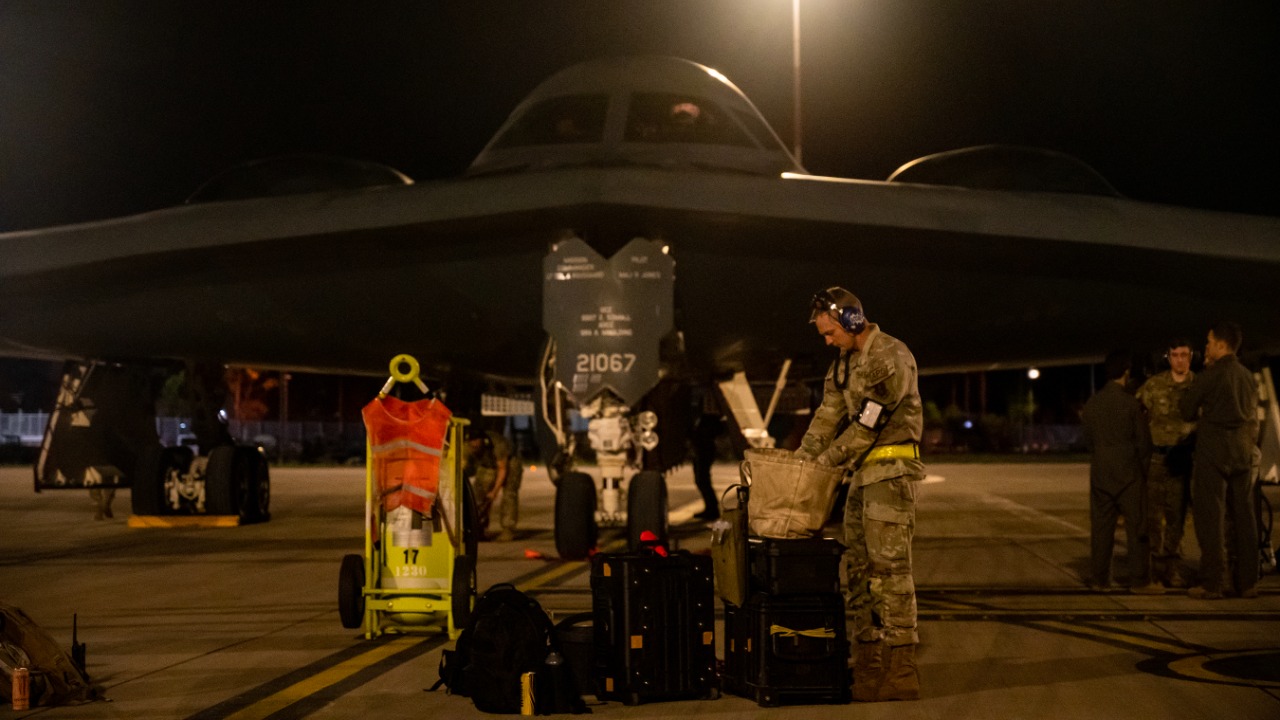
The B-2 Spirit stands as a testament to the US Air Force’s investment in cutting-edge technology. Developed with a unit cost of over $2 billion, the B-2 is designed for long-range stealth missions, making it a benchmark for strategic military investments. Its development history underscores the Air Force’s commitment to maintaining air superiority through advanced technology 247wallst.com.
Maintaining the B-2 fleet presents unique challenges, primarily due to its specialized coatings and the limited production run of just 21 units. These factors drive the lifetime costs into the tens of billions, reflecting the complex logistics involved in sustaining such advanced aircraft. In comparison, earlier bombers like the B-1B Lancer, with a lower per-unit cost of around $300 million, face higher operational expenses due to their larger fleet size.
Fighter Jets: High-Tech Edge at Premium Prices
The F-22 Raptor is one of the priciest fighters in the US Air Force, with a unit cost of approximately $350 million. Known for its air superiority features, the F-22’s production was halted in 2011, making it a rare and valuable asset in the Air Force’s arsenal 247wallst.com. This decision reflects the balance between cost and capability in maintaining a technologically advanced fleet.
The F-35 Lightning II, another cornerstone of the Air Force’s fighter fleet, faces escalating costs, averaging $80 million per aircraft across its variants. Recent reports indicate a six-month delay in engine production, affecting new units and potentially impacting fleet readiness Aviation A2Z. Sustainment costs for these fifth-generation fighters, including software upgrades and sensor integrations, push annual expenses per jet beyond $40,000, highlighting the ongoing financial commitment required to maintain cutting-edge capabilities.
Transport and Special Mission Aircraft: Versatile but Costly Assets
The C-5M Super Galaxy’s upgrade program exemplifies the Air Force’s investment in global logistics capabilities. Each modernized aircraft costs over $100 million, underscoring its critical role in supporting military operations worldwide 247wallst.com. This investment ensures the Air Force can meet the logistical demands of global deployments.
In May 2025, the US Air Force was tasked with modifying a Boeing jet gifted by Qatar to former President Trump. This adaptation effort highlights the ongoing need to repurpose high-value assets to meet military standards Business Insider. Such modifications are crucial for integrating these assets into the Air Force’s operational framework.
The E-3 Sentry AWACS platform, with acquisition and operational costs around $270 million per unit, plays a vital role in airborne command functions. Its advanced radar systems make it an indispensable asset for maintaining situational awareness and command capabilities in complex operational environments.
International Comparisons and Modernization Pressures
Comparing US Air Force expenditures with those of the People’s Liberation Army Air Force reveals different approaches to fleet optimization. The PLA Air Force’s rightsizing efforts are analyzed in frameworks that revisit analytic models for optimizing fleet composition NDU Press. These efforts highlight the strategic considerations involved in balancing cost and capability.
In Southeast Asia, air force modernization efforts are scrutinized for their impact on regional stability. Investments in expensive platforms are evaluated for their potential to enhance deterrence or increase regional tensions Lowy Institute. This analysis underscores the broader implications of military modernization on geopolitical dynamics.
Cost overruns, such as the six-month engine delay for high-end fighters, have significant implications for global procurement strategies and US alliances. These delays can affect readiness and operational capabilities, necessitating adjustments in procurement and deployment plans Aviation A2Z. Understanding these impacts is crucial for maintaining strategic advantage in an increasingly complex global security environment.

Grant Mercer covers market dynamics, business trends, and the economic forces driving growth across industries. His analysis connects macro movements with real-world implications for investors, entrepreneurs, and professionals. Through his work at The Daily Overview, Grant helps readers understand how markets function and where opportunities may emerge.

