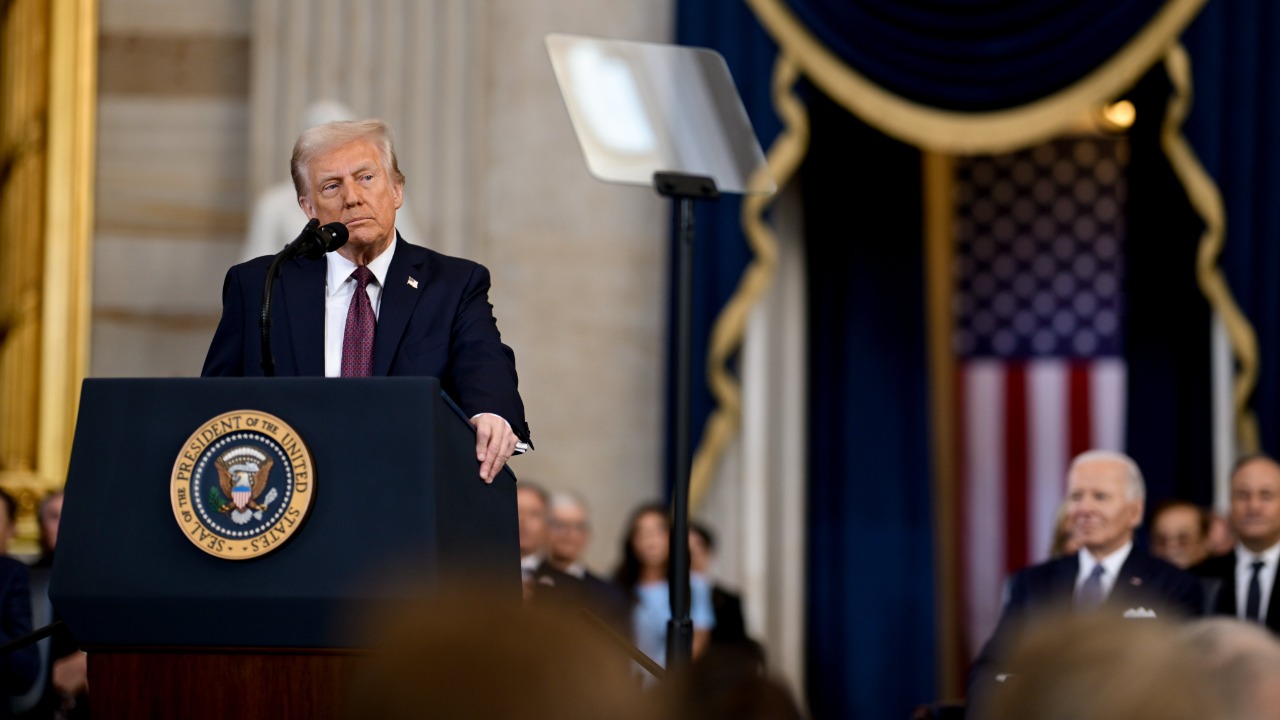
The Trump administration has recently cancelled over $11 billion in projects, primarily affecting infrastructure and clean energy initiatives in blue states like New York and Boston. This decision is part of broader budget cuts spearheaded by budget director Russell Vought. The move follows a pause on a new round of projects, largely in blue states, announced by the White House amid rising tensions over a potential government shutdown. Earlier actions included cuts to nearly $8 billion in clean energy projects and a freeze on another $11 billion in infrastructure spending tied to the shutdown fight.
Scope of the Cancellations

The Trump administration’s recent cancellations, totaling more than $11 billion, primarily target infrastructure and related federal spending. This decision reflects a strategic focus on reducing federal expenditures in areas that have traditionally supported Democratic policies. The administration has also implemented a separate freeze on another $11 billion in infrastructure spending, directly linked to ongoing negotiations in the government shutdown fight. This strategic move underscores the administration’s leverage in budgetary negotiations, using these cancellations as a bargaining chip in the broader political landscape.
Prior to these recent cancellations, the administration had already cut nearly $8 billion specifically in clean energy projects located in blue states. This decision, effective from early October, highlights a clear pattern in the administration’s fiscal strategy, focusing on areas that align with Republican priorities while reducing support for initiatives typically championed by Democrats. The implications of these cuts are significant, potentially stalling progress in clean energy advancements and infrastructure improvements in states that have been at the forefront of such initiatives.
Targeting Blue States

The projects affected by the $11 billion cancellations are predominantly located in blue states like New York and Boston. This targeted approach, directed under the oversight of budget director Russell Vought, suggests a deliberate strategy to curtail federal spending in regions that have historically opposed the Trump administration’s policies. The White House’s decision to pause a new round of projects further emphasizes this pattern, as it explicitly impacts initiatives in largely blue-state areas. This selective reduction in federal funding reflects broader political and geographic priorities within the administration’s fiscal strategy.
Clean energy initiatives, in particular, have borne the brunt of these cuts. The nearly $8 billion reduction in clean energy projects implemented earlier this month underscores the administration’s focus on redirecting resources away from initiatives that do not align with its energy policies. This approach not only affects the states directly involved but also signals a shift in national priorities, potentially influencing the broader trajectory of clean energy development across the country.
Legal and Shutdown Context

The $11 billion freeze in infrastructure spending is positioned as a strategic tool in the Trump administration’s fight against a potential government shutdown. This move, announced recently, serves as leverage in ongoing budget negotiations, highlighting the administration’s willingness to use significant financial decisions as a means of exerting political pressure. The stakes are high, as the potential for a government shutdown looms, with significant implications for federal operations and public services.
In response to these cuts, a federal judge is set to broaden an order blocking many layoffs associated with these cancellations. This legal intervention comes as the Trump administration pushes for additional reductions amid shutdown pressures. Unions have been actively involved in challenging the layoffs tied to these broader cancellation efforts, with the judge’s expanded ruling aiming to protect affected workers. This legal battle underscores the contentious nature of the administration’s budgetary decisions and their impact on the workforce.
Key Figures and Administration Role
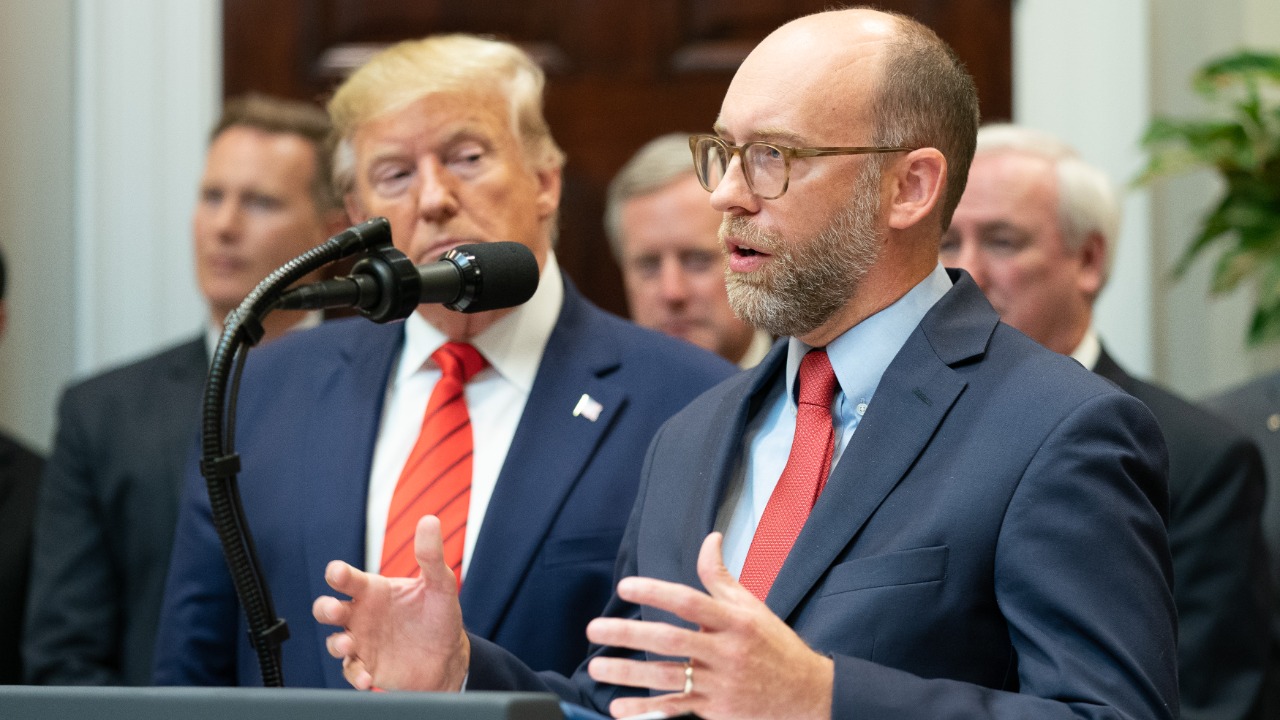
Russell Vought, as budget director, plays a central role in overseeing the cancellations of more than $11 billion in projects affecting blue states like New York and Boston. His leadership in this area reflects the administration’s broader strategy of targeting federal spending in regions that have traditionally opposed its policies. The White House’s decision to pause a new round of projects further illustrates this high-level strategy, emphasizing the administration’s focus on redirecting resources away from blue-state initiatives.
The implications of these decisions are far-reaching, affecting not only the states directly involved but also setting a precedent for future federal funding strategies. As the administration continues to navigate the complexities of budget negotiations and potential shutdowns, the role of key figures like Vought will remain critical in shaping the direction of federal spending and policy priorities.
For more details on the Trump administration’s budgetary decisions and their implications, you can read the full reports from Axios, Politico, ABC News, Economic Times, and The New York Times.

Grant Mercer covers market dynamics, business trends, and the economic forces driving growth across industries. His analysis connects macro movements with real-world implications for investors, entrepreneurs, and professionals. Through his work at The Daily Overview, Grant helps readers understand how markets function and where opportunities may emerge.

