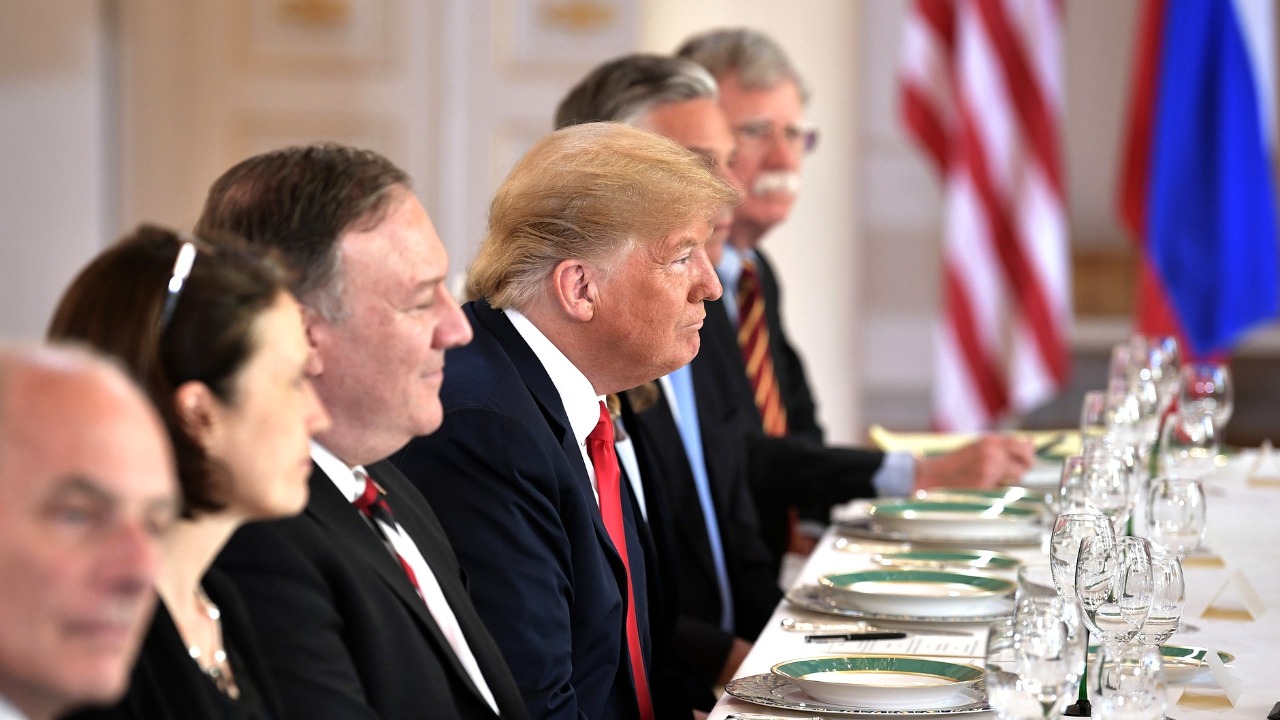
President-elect Donald Trump is contemplating the distribution of $2,000 checks to Americans as a form of tariff relief or stimulus. This initiative is envisioned as a “dividend” from the anticipated revenue generated by proposed tariffs, which are expected to bring in trillions. The plan, which could provide up to $2,000 per recipient, is part of Trump’s broader tariff agenda and is linked to discussions with Senator Josh Hawley on addressing the national debt. Reports of this proposal emerged in early October 2025, highlighting its potential as a direct economic boost amid ongoing policy transitions.
Details of the Proposed Checks
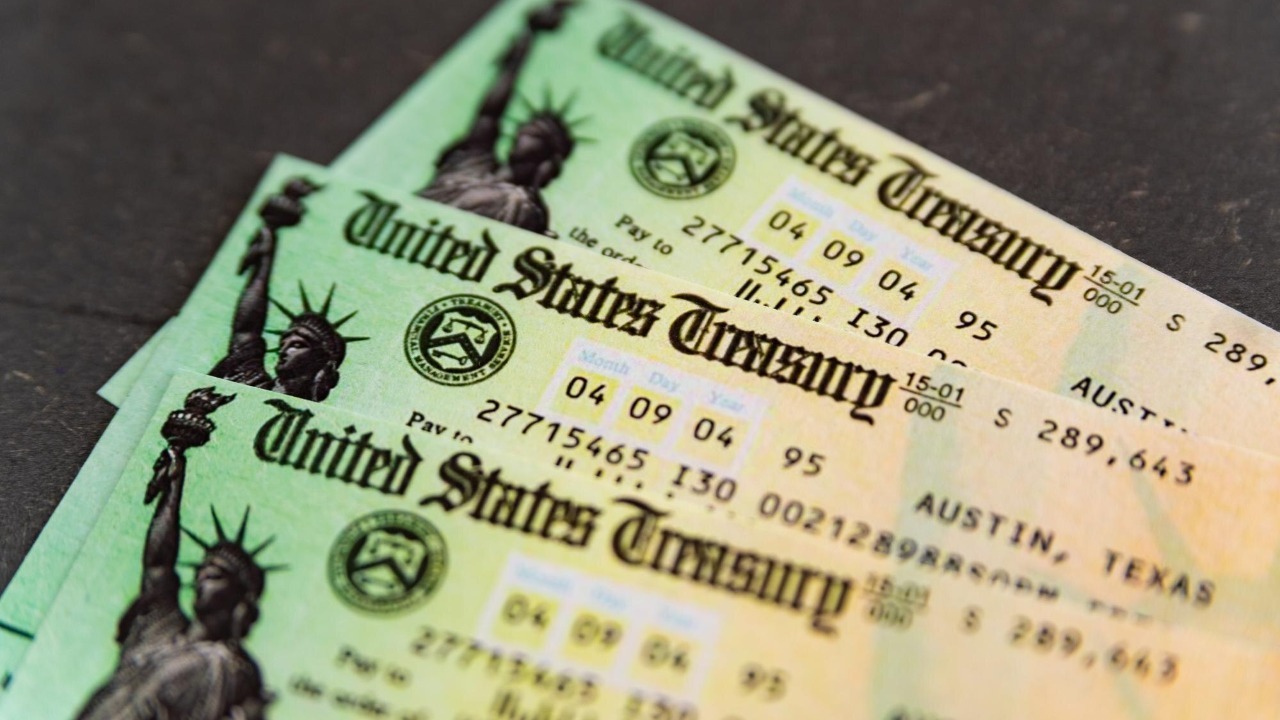
Trump’s proposal involves sending $2,000 checks to Americans, directly tied to the revenue generated from tariffs. These checks are described as a $2,000 tariff stimulus for Americans, intended to provide financial relief and stimulate economic activity. The idea is to distribute these funds as a form of economic dividend, rewarding citizens from the expected influx of tariff revenue. According to Daily Mail, the checks could be up to $2,000, offering a substantial financial boost to recipients.
The concept of these payments as a tariff “dividend” underscores the administration’s approach to using tariff revenue as a direct benefit to the public. As reported by AOL, this proposal is framed as a way to return some of the economic gains from tariffs back to the American people. The checks are positioned not just as a stimulus but as a tangible benefit from the administration’s trade policies.
Tariff Revenue as Funding Source
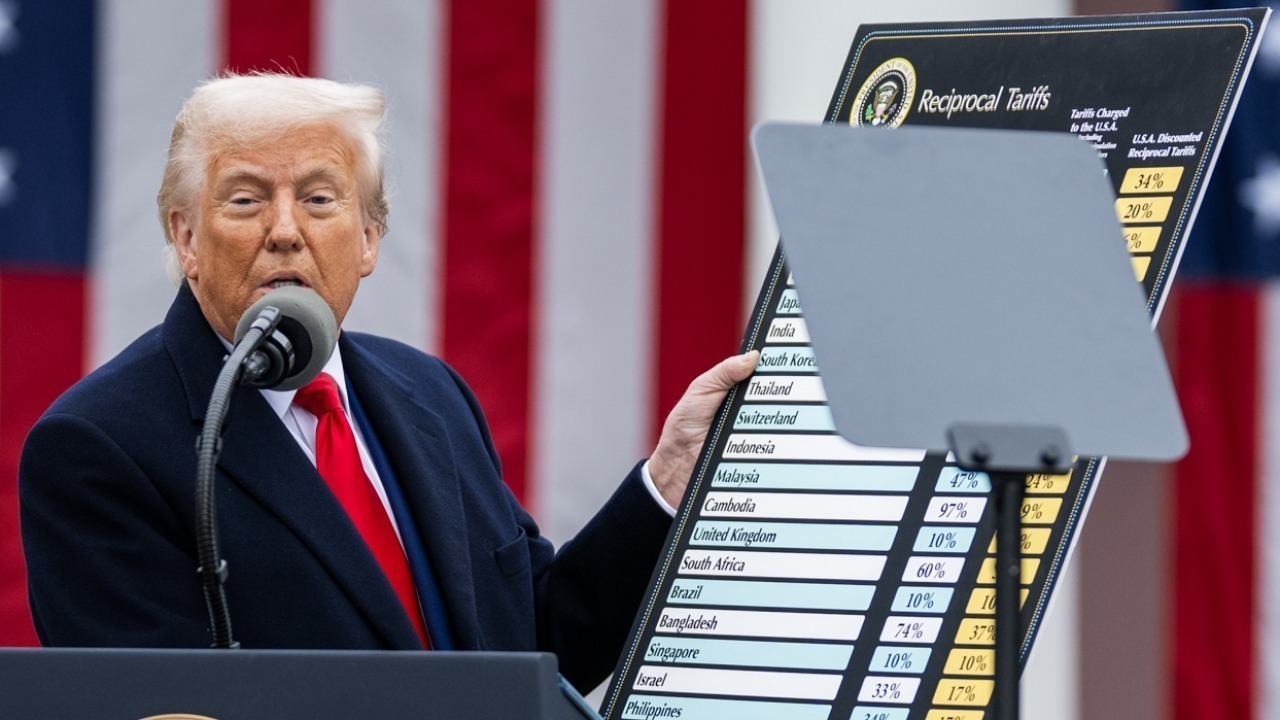
The funding for these $2,000 checks is expected to come from the revenue generated by tariffs. Trump plans to implement these payments once the tariff revenue begins to accumulate. According to TurnTo10, the checks would be distributed after the tariff revenue kicks in, ensuring that the funds are available to support this initiative.
This approach is based on the expectation of raking in trillions in tariff revenue, as noted by Daily Mail. The administration anticipates that the tariffs will generate significant income, which can then be used to fund these direct payments to Americans. This strategy aligns with Trump’s broader economic policies, which emphasize leveraging trade measures to benefit domestic economic conditions.
The concept of using tariff revenue as a funding source for direct payments to citizens is not entirely new, but it represents a significant shift in how such revenues are typically utilized. Traditionally, tariff revenues have been absorbed into the general federal budget, contributing to various government expenditures. However, Trump’s proposal aims to earmark these funds specifically for direct economic relief, thereby creating a more visible and immediate impact on the American populace. This approach could potentially set a precedent for future administrations in terms of how trade-related revenues are allocated and utilized.
Moreover, the anticipated scale of tariff revenue underscores the administration’s confidence in its trade policies. By projecting trillions in revenue, the administration is signaling its belief in the effectiveness of its tariff strategy to not only protect domestic industries but also generate substantial financial resources. This expectation is crucial, as it forms the backbone of the proposed $2,000 checks. The administration’s ability to deliver on this promise will largely depend on the successful implementation and enforcement of these tariffs, as well as the global economic response to such measures.
Political and Economic Context
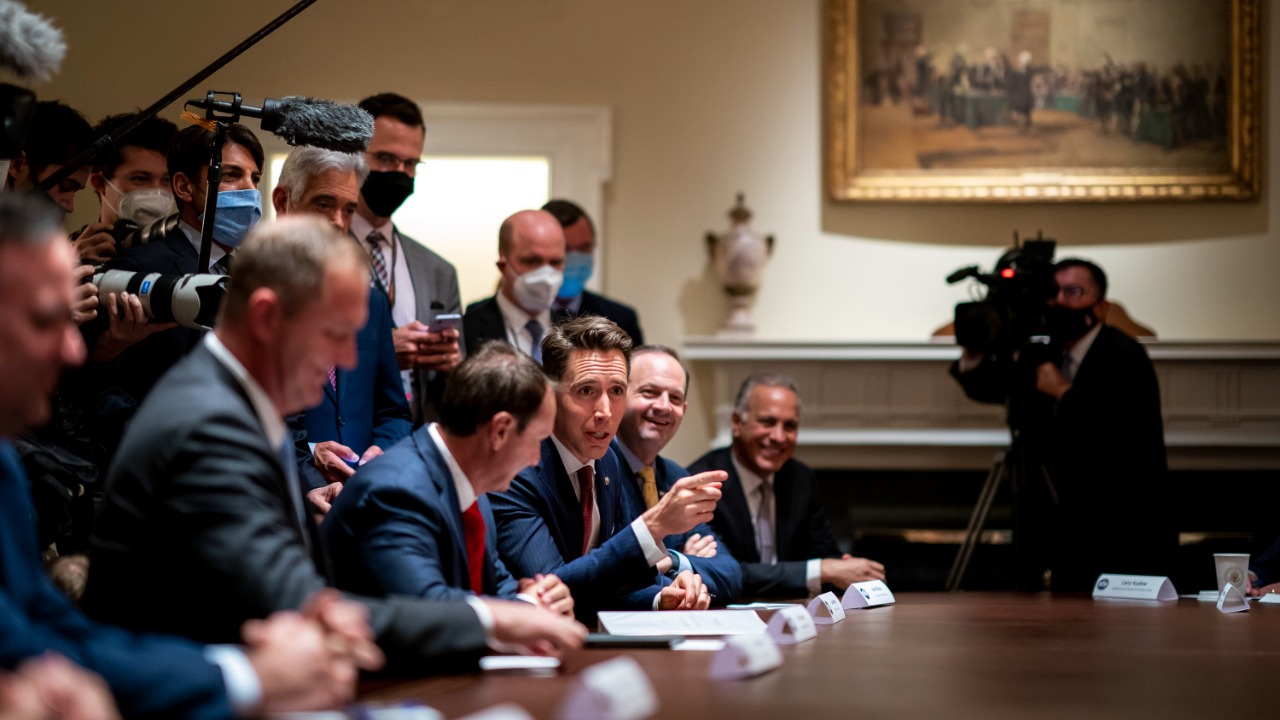
The proposal for $2,000 checks is closely tied to discussions on the national debt, particularly involving Senator Josh Hawley. This connection indicates a broader strategy to address economic challenges while providing immediate financial relief to citizens. As reported by TurnTo10, the discussions with Hawley highlight the dual focus on stimulating the economy and managing fiscal responsibilities.
Trump’s consideration of these $2,000 tariff stimulus checks was confirmed on October 7, 2025, as noted by LiveNowFox. This timing reflects the administration’s ongoing efforts to refine and implement economic policies that align with their broader goals. The proposal is part of a larger narrative of using tariff revenue not only to address trade imbalances but also to provide direct benefits to the American populace.
Timeline of Reporting
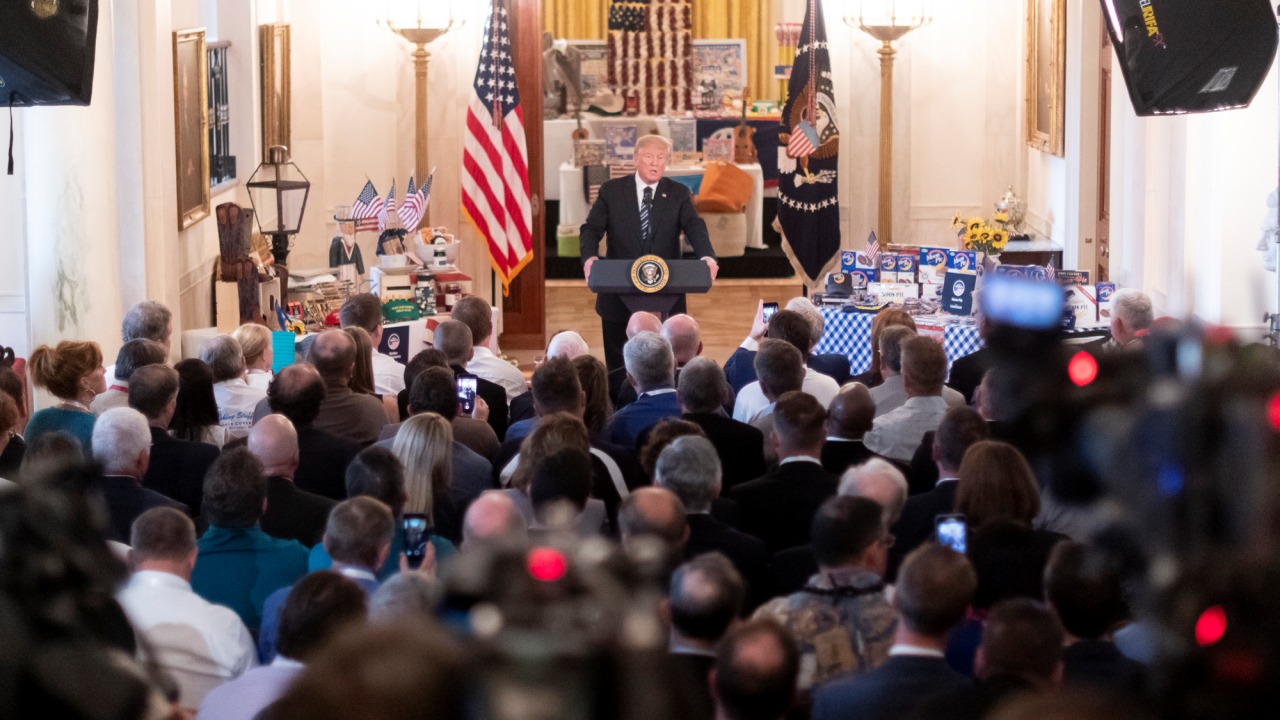
Initial reports about Trump’s consideration of $2,000 checks emerged on October 3, 2025. These reports highlighted the potential for these payments to serve as a direct economic stimulus once tariff revenue begins to flow. According to TurnTo10, the proposal was first detailed in early October, setting the stage for further discussions and planning.
Coverage of Trump’s proposal to send $2,000 checks after accumulating trillions in tariff revenue was also reported on October 3, 2025, by Daily Mail. This timeline indicates a coordinated effort to communicate the administration’s plans and gather public and political support. Additionally, Newsweek detailed the up-to-$2,000 stimulus checks proposal on the same day, further emphasizing the administration’s commitment to this initiative.
The timeline of reporting on Trump’s proposal reflects a strategic rollout of information designed to gauge public and political reaction. Following the initial reports on October 3, 2025, there was a noticeable increase in media coverage, with various outlets providing detailed analyses and commentary on the potential implications of the checks. This surge in reporting suggests a coordinated effort by the administration to maintain momentum and keep the proposal at the forefront of public discourse. By engaging with multiple media platforms, the administration aims to build a broad base of support that could facilitate smoother legislative processes if required.
In the days following the initial announcement, additional reports and analyses emerged, further exploring the potential economic and political ramifications of the proposal. Outlets such as Newsweek and AOL provided insights into how the checks could influence consumer spending, economic growth, and public opinion. This ongoing coverage highlights the significance of the proposal within the broader context of Trump’s economic policy agenda and its potential impact on the upcoming legislative sessions.

Julian Harrow specializes in taxation, IRS rules, and compliance strategy. His work helps readers navigate complex tax codes, deadlines, and reporting requirements while identifying opportunities for efficiency and risk reduction. At The Daily Overview, Julian breaks down tax-related topics with precision and clarity, making a traditionally dense subject easier to understand.

