President Donald Trump’s housing finance team is quietly reshaping the mortgage market by letting government-backed lenders take on more debt and more risk. The centerpiece is a move by his housing finance chief to expand mortgage spending at the very moment when affordability pressures and political scrutiny are both intensifying. The result is a high-stakes experiment that could either extend credit to more borrowers or leave taxpayers exposed if the cycle turns.
At the same time, Trump’s broader housing apparatus, from the Federal Housing Finance Agency to the Department of Housing and Urban Development, is being pulled into a wider fight over how far Washington should go in propping up homeownership. I see a policy mix that leans hard into leverage, counts on continued economic strength, and assumes that regulators can manage the fallout if things go wrong.
Bill Pulte’s rapid rise and Trump’s housing agenda
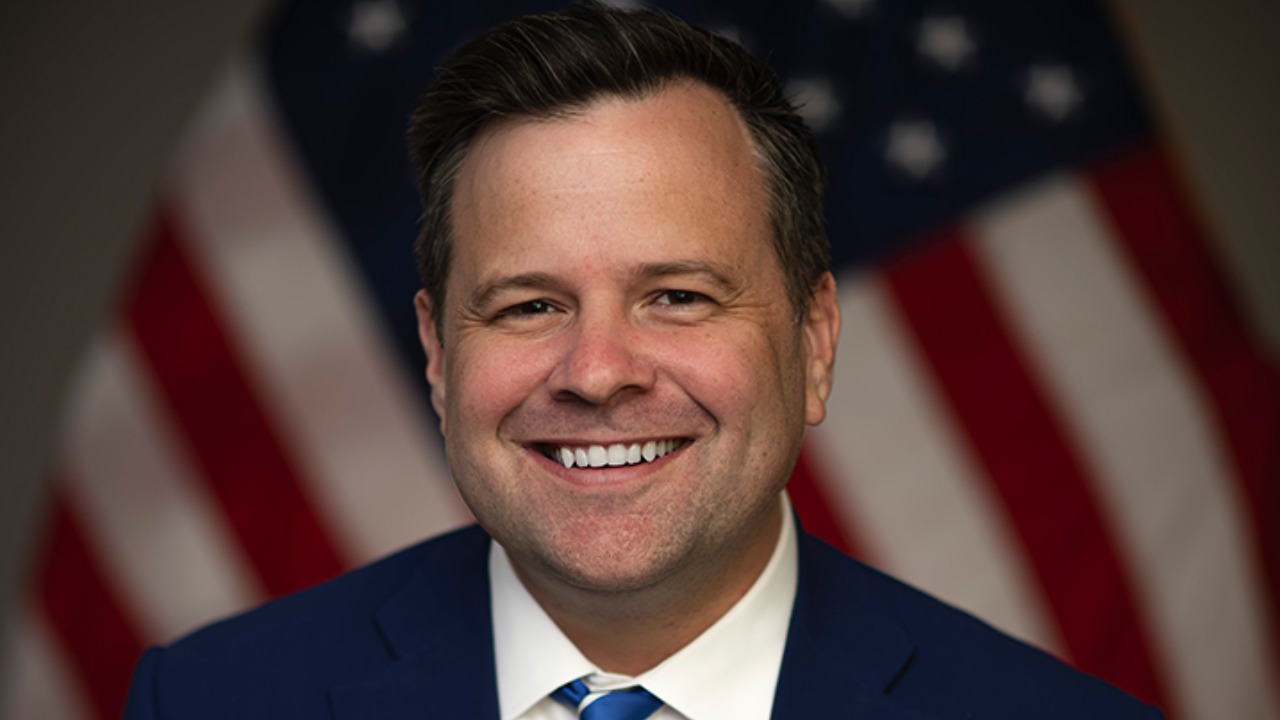
The architect of this new push is Bill Pulte, a businessman best known as the founder of PulteGroup, a large residential home construction company, who is now serving as the director of the Federal Housing Finance Agency. As director of the Feder, he oversees the two giant government-backed mortgage companies, Fannie Mae and Freddie Mac, and his decisions directly shape how much risk those firms can shoulder for the broader market. Pulte, an American executive with deep roots in homebuilding, has moved from the private sector into a role that gives him sweeping influence over the plumbing of U.S. housing finance, including the balance sheets of Fannie Mae and Freddie Mac, according to his biography.
Trump has leaned on that background as he seeks to translate his political promise of cheaper housing into concrete policy. Earlier this year, President Donald Trump’s federal housing finance director, Bill Pulte, quietly granted government-backed lenders the authority to expand their mortgage spending, a move that significantly increases the amount of risk for the companies that dominate the secondary mortgage market. The decision, which effectively lets Fannie Mae and Freddie Mac buy or guarantee a larger volume of loans, was approved under Trump’s watch and reflects a White House view that more aggressive use of these entities can support growth, as detailed in reporting on Trump’s housing director.
How the new mortgage authority changes the risk profile
By authorizing more mortgage spending, Pulte has effectively turned up the leverage dial on the government’s two most important housing finance engines. The Director of the Federal Housing Finance Agency Bill Pulte, speaking with reporters at the White House earlier this month, signaled that he sees room for Fannie Mae and Freddie Mac to absorb more exposure in order to keep credit flowing. That stance means the government-backed lenders can hold or guarantee a larger portfolio of mortgages, including loans that might carry higher default risk if the economy slows, a shift described in coverage of his comments at the White House briefing.
Regulators and market participants understand that this is not a neutral tweak. Trump’s housing finance chief has explicitly approved more mortgage spending and added risk for government-backed lenders, a combination that could amplify gains in a strong market but magnify losses in a downturn. The move affects how Fannie Mae and Freddie Mac fund themselves in bond markets, how they price guarantees, and how much capital they need to withstand stress. Reporting on the decision underscores that the expanded authority increases the potential volatility of their balance sheets and, by extension, the exposure of taxpayers who ultimately stand behind these entities, as detailed in analysis of how Pulte’s policy adds risk.
The FHFA’s expanding footprint and institutional guardrails
To understand the stakes, it helps to look at the institution Pulte now runs. The Federal Housing Finance Agency, whose mission and regulatory framework are laid out on its official site, is charged with supervising Fannie Mae, Freddie Mac, and the Federal Home Loan Banks, and with ensuring that these government-sponsored enterprises operate in a safe and sound manner. The FHFA sets capital standards, approves key business strategies, and can intervene if it believes the companies are taking on too much risk, responsibilities that are spelled out in detail on the agency’s own FHFA portal.
In practice, that means Pulte is both the architect of the new mortgage expansion and the referee who is supposed to keep it from going too far. The tension is baked into the job: the director must balance the political imperative to broaden access to homeownership with the statutory duty to protect the financial stability of Fannie Mae and Freddie Mac. As Trump’s appointee, Pulte is advancing a more aggressive use of the government-backed lenders’ balance sheets, but he is doing so within a framework that still requires him to justify that the companies remain adequately capitalized and that their risk models can handle the additional exposure described in the recent coverage of his expanded authority for government-backed lenders.
HUD’s parallel role and rising political scrutiny
While Pulte reshapes the secondary mortgage market, the Department of Housing and Urban Development is facing its own reckoning over how federal housing policy should evolve. Scott Turner was confirmed by the United States Senate to be the 19th Secretary of the U.S. Department of Housing and Urban Development, placing him in charge of HUD’s sprawling portfolio of rental assistance, fair housing enforcement, and community development programs. As Secretary, Turner is now the public face of the administration’s housing priorities, a role described in his official HUD biography.
Turner’s agenda is already under bipartisan scrutiny. The House Committee on Financial Services convened a full committee hearing focused on oversight of the U.S. Department of Housing and Urban Development, pressing the Secretary on accountability and federal housing priorities. Lawmakers on the House Committee used the session to question how HUD’s policies intersect with the broader push to expand mortgage credit, and to probe whether the department is adequately coordinating with the FHFA and other regulators as Trump’s team leans into more aggressive housing finance strategies, according to detailed accounts of the Financial Services hearing.
Market implications and the Fed controversy around Pulte
The policy shift is not happening in a vacuum. Bill Pulte has also become a central figure in a broader controversy involving the Fed and the potential macroeconomic implications of his housing strategy. As director of the Federal Housing Finance Agency, he sits at the intersection of mortgage markets and monetary policy, and his decisions about how much risk Fannie Mae and Freddie Mac should take on have drawn attention from officials worried about financial stability. Coverage introducing the public to Pulte’s background and current role describes him as the Trump housing official at the center of the latest Fed controversy, underscoring how his actions could ripple through the wider U.S. economy, as outlined in profiles that invite readers to meet Bill Pulte.
From my vantage point, the core question is whether the benefits of looser constraints on government-backed lenders outweigh the systemic risks. Trump’s housing finance chief has already shown a willingness to push the envelope by authorizing more mortgage spending and accepting a higher level of risk on the books of Fannie Mae and Freddie Mac, a move that could support homebuyers in the short term but leave the public sector more exposed if defaults rise. The fact that Pulte’s decisions are now intertwined with debates at the Fed, oversight hearings in the House Committee on Financial Services, and the strategic direction of both the FHFA and HUD suggests that the administration’s housing experiment is entering a more contentious phase, one in which every additional dollar of mortgage risk taken on by government-backed lenders will be closely watched by markets and policymakers alike, as reflected in the scrutiny of his expanded authority for mortgage spending.
More From The Daily Overview
*This article was researched with the help of AI, with human editors creating the final content.

Elias Broderick specializes in residential and commercial real estate, with a focus on market cycles, property fundamentals, and investment strategy. His writing translates complex housing and development trends into clear insights for both new and experienced investors. At The Daily Overview, Elias explores how real estate fits into long-term wealth planning.

