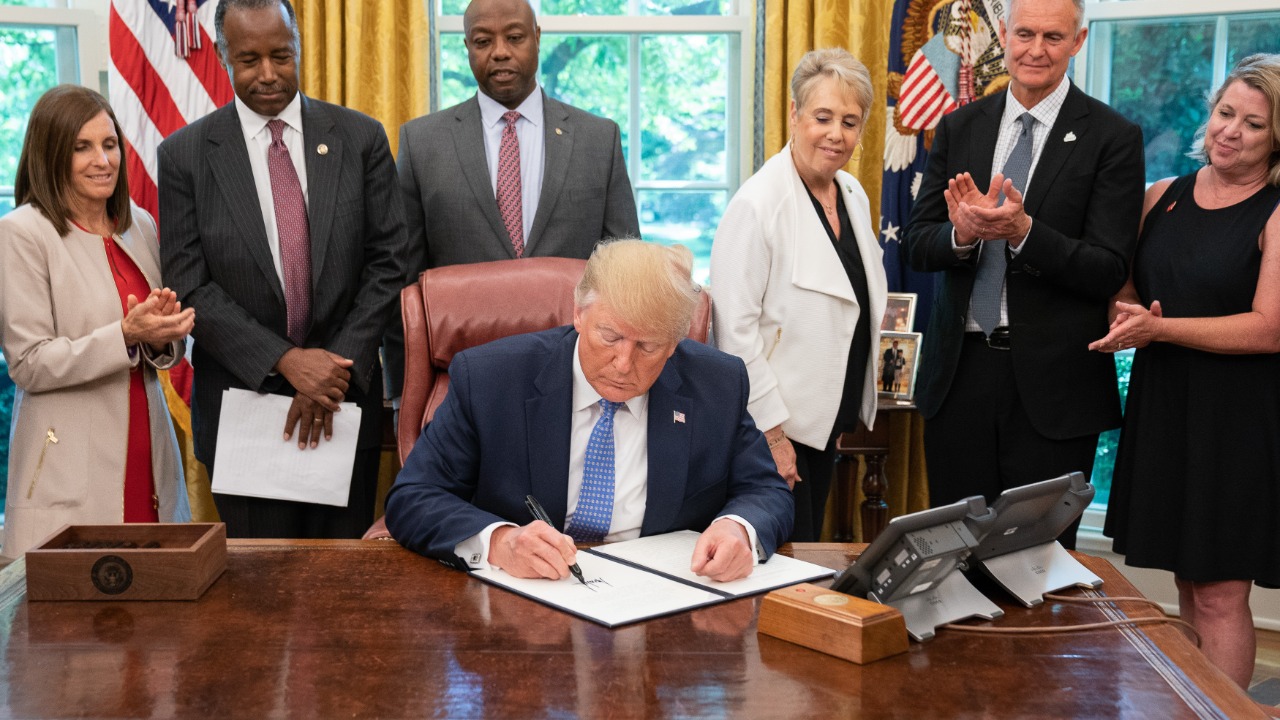
The Trump administration is exploring innovative solutions to tackle the persistent housing crisis in the United States, with a particular focus on portable mortgages. These financial instruments are being considered as a means to help homeowners relocate without losing favorable loan terms. President Trump recently suggested the introduction of fifty-year mortgages to make homeownership more accessible amid high interest rates. Discussions have centered on how portable and assumable mortgages might alleviate the market lock-in effect, though they offer limited relief for broader affordability challenges.
What Are Portable Mortgages?
Portable mortgages are designed to allow borrowers to transfer their existing mortgage terms, including interest rates, to a new property when they move. This concept stands in contrast to traditional fixed-rate mortgages, which typically require refinancing when a homeowner relocates. The portability feature aims to provide flexibility and financial stability, especially in a volatile interest rate environment. Assumable mortgages, a related concept, enable buyers to take over the seller’s mortgage directly, often benefiting from lower rates secured in previous years. This approach is particularly relevant in the current housing market dynamics, where interest rates have been fluctuating significantly. For more on the mechanics and eligibility requirements, see the discussion on what portable, assumable mortgages are.
Currently, certain loans, such as those backed by the Federal Housing Administration (FHA) or the Department of Veterans Affairs (VA), already permit assumability. However, the proposed portability would expand this feature to conventional loans, potentially broadening the scope of who can benefit from these terms. This expansion could significantly impact the housing market by increasing mobility for homeowners who are otherwise locked into their current properties due to unfavorable refinancing options.
Trump Administration’s Proposal
The Trump administration has announced its active evaluation of portable mortgages as a key initiative to boost housing mobility for homeowners who feel trapped by their current mortgage terms. This proposal, highlighted on November 13, 2025, aims to address the challenges faced by homeowners who are reluctant to move due to the potential loss of favorable interest rates. By enabling the transfer of mortgage terms to new properties, the administration hopes to ease the transition for families, particularly military families or those who move frequently. For more details, refer to the report on how the Trump administration is ‘actively evaluating’ portable mortgages.
In addition to portable mortgages, President Trump suggested the introduction of fifty-year mortgages on November 9, 2025, as part of broader efforts to extend loan terms and reduce monthly payments. This proposal could potentially tie into portable features, offering long-term stability for homeowners. The administration’s policy motivations include easing the financial burden on homeowners and encouraging greater flexibility in the housing market.
Potential Impact on the Housing Market
Portable mortgages could play a significant role in reducing the lock-in effect that currently discourages homeowners from selling their properties. By allowing sellers to list homes without the fear of losing favorable mortgage rates, these financial instruments could increase inventory in a tight market. This potential impact is explored in the analysis of how portable mortgages could break the housing market lock-in.
For buyers, the ability to access lower-rate loans from previous eras could stimulate transactions, making it easier for them to purchase homes without facing the full brunt of current high interest rates. However, this would require regulatory changes from lenders and entities like Fannie Mae to accommodate the new mortgage structures. Despite these benefits, it’s important to note that while portability aids mobility, it may do little to lower home prices or improve affordability for first-time buyers who are already struggling with high costs.
Challenges and Broader Implications
Implementing portable mortgages comes with its own set of challenges. Lenders may resist due to the risks associated with transferring loans without full underwriting. To encourage adoption, federal incentives might be necessary. The economic ripple effects of portable mortgages could include an increase in home sales volume, but they may have minimal impact on supply shortages. For a deeper dive into these implications, see the analysis on what portable mortgages mean for the housing market.
Long-term affordability remains a critical question. While extending mortgage terms to fifty years could help reduce monthly payments, it may also defer debt in an inflationary environment. This raises concerns about whether such measures truly address the root causes of housing affordability or merely postpone financial burdens. As the administration continues to evaluate these proposals, stakeholders will need to consider both the immediate benefits and the potential long-term consequences of these innovative mortgage solutions.
More From TheDailyOverview
- Dave Ramsey says these two simple questions show whether you’re rich or poor
- Retired But Want To Work? Try These 18 Jobs for Seniors That Pay Weekly
- IRS raises capital gains thresholds for 2026 and what’s new
- 12 ways to make $5,000 fast that actually work

Elias Broderick specializes in residential and commercial real estate, with a focus on market cycles, property fundamentals, and investment strategy. His writing translates complex housing and development trends into clear insights for both new and experienced investors. At The Daily Overview, Elias explores how real estate fits into long-term wealth planning.

