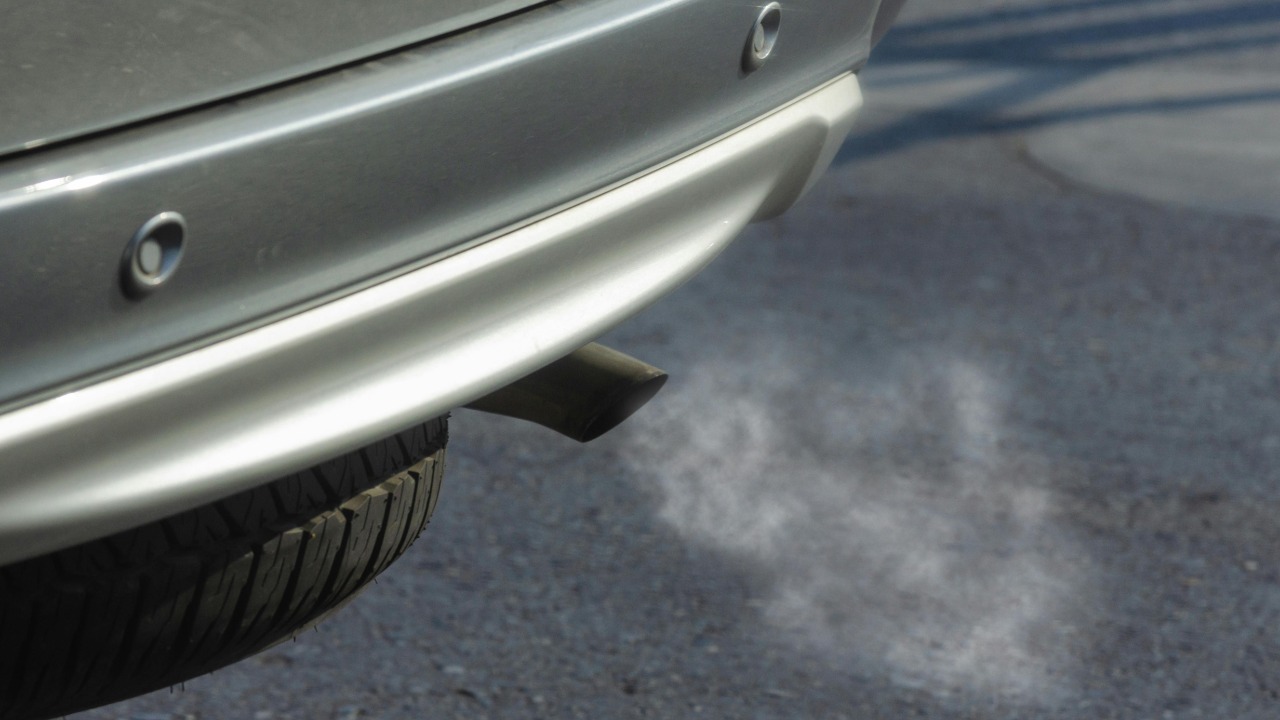
With new cars averaging close to luxury territory, the White House is betting that weaker pollution rules can double as a pocketbook policy. President Donald Trump’s team is pitching a sweeping rollback of fuel economy and emissions standards as a way to revive the affordable family car and undercut the era of the $50,000 sticker price. The strategy casts deregulation as a secret weapon against inflation, even as critics warn it could simply shift costs from the showroom to the gas pump.
The affordability crisis Trump wants to solve
For the Trump administration, the political backdrop is simple: car buyers are squeezed and looking for relief. Reports that $50,000 has become a new benchmark for average transaction prices have turned sticker shock into a kitchen table issue. In parallel, Trump has highlighted how the $20,000-vehicle has “mostly extinct” status, arguing that price conscious buyers are being pushed into aging used cars instead of new models. By tying those trends to environmental rules, the administration is framing climate policy as a direct culprit in the disappearance of the $20,000 entry point.
Officials have leaned on that narrative as they tour auto plants and dealer lots in the Midwest, telling audiences that regulatory costs have piled up on every compact sedan and crossover. In their telling, the push for rapid electrification and tougher fuel economy has forced Automakers to load expensive technology into vehicles that Americans still need to drive to work and school. The political bet is that if the White House can plausibly argue that Washington rules helped push prices toward $50,000, then loosening those rules can be sold as a fast way to bring them back down.
Inside the rollback: emissions rules as price lever
The core of the plan is to treat fuel economy and tailpipe standards as a dial on vehicle pricing. The Trump Administration Plans to Roll Back Emissions are pitched as a way to Lower Car Prices by slowing or reversing requirements that push automakers toward electric, plug in hybrid and ultra efficient gasoline models. The Trump team argues that the previous regulatory path “penalized” combustion engines and forced companies to cross subsidize cheaper gas cars with high margin electric vehicles, a dynamic that Trump officials now want to unwind.
In practice, that means rewriting the federal Corporate Average Fuel Economy program and related greenhouse gas rules that had been set to tighten steadily through the 2030s. The Transportation Sec and environmental regulators are working in tandem so that The Transportation department can ease CAFE targets while the Environmental Protection Agency relaxes emissions limits, a coordination effort that GREENWIRE reporting describes as a coordinated Cabinet push. The Trump Administration Plans to Roll Back Emissions Rules are also paired with new tariffs on imported vehicles and parts, a combination that supporters say will tilt the market back toward domestic, gasoline powered and hybrid vehicle options even as critics question whether tariffs will quietly add their own costs.
The Midwest roadshow and the “not a war on EVs” message
To sell the policy, senior aides have fanned out across Michigan and Ohio, staging events at factories and auto shows. The Transportation secretary has been joined by other Cabinet officials in tours of auto plants where they promise that fewer rules will mean more models on the lot and lower monthly payments, a message that Transportation Sec Sean Duffy has made central to his pitch. At the same time, the White House is trying to reassure drivers who like electric vehicles that they are not being pushed out of the market, even as federal incentives are wound down.
On a recent swing through the region, a Trump trio of senior officials insisted “This is not a war on EVs at all,” stressing that There are “a lot of people that love them and think they are wonderful” while arguing that others still want gasoline models that are being crowded out by regulation. That framing, captured in Jan reporting from Detroit, is designed to blunt criticism from automakers that have already sunk billions into electric platforms. It also helps the administration argue that its real target is not EVs themselves but what it calls “Bans” on gas powered cars that some states and foreign governments have floated.
Supporters’ case: more choice, cheaper cars, fewer “bans”
Republican allies have amplified the message that loosening rules is about restoring consumer choice rather than punishing clean technology. GOP lawmakers, including Sen Shelley Moore Capito, have attacked Bans on gas powered cars as policies that “lack common sense,” arguing that mandates ignore what Americans actually want to buy and risk leaving lower income drivers stranded without viable options. That critique, highlighted in Republican commentary, dovetails with the White House claim that its rollback will simply let the market decide the mix of EVs, hybrids and gasoline models.
Inside the administration, Top advisers have framed the effort as a course correction from what they describe as an overly aggressive climate agenda under former President Joe Biden. The White House has argued that relaxed emissions rules and the end of EV sales incentives will expand choice and lower car prices, a case officials have made repeatedly in Detroit and other auto hubs. Supporters also point to analysis that car prices are already trending down from their peak and argue that, as one adviser named But Greer put it, whatever effects tariffs may have on the supply chain, the regulatory shift will still help affordability at a time when vehicle costs remain a key concern among Americans, a view reflected in Jan coverage.
Critics’ warning: higher fuel bills and hidden costs
Environmental and consumer advocates counter that the promised savings at the dealership will be swamped by higher fuel costs over the life of the vehicle. NRDC has bluntly argued that Trump Actions Will Raise Drivers Costs, warning that Freedom is “just another word for paying more at the pump” and projecting that drivers could pay thousands of dollars more in gasoline over the lifetime of less efficient vehicles if standards are weakened. That critique, laid out in Jan statements, casts the rollback as a transfer of wealth from drivers to oil companies.
Other analysts have taken aim at the administration’s math. When experts dug into the government’s own modeling of vehicle price impacts, they found that When you look at the agency’s real world analysis, the projected savings from completely relaxing fuel economy standards were relatively modest compared with the added fuel costs, a conclusion detailed in a critical analysis. Critics also argue that the policy sacrifices minimal short term savings for longer term environmental externalities and higher costs, a tradeoff that one climate focused newsletter summarized by noting that Critics see the rollback as locking in both pollution and economic risk.
More From The Daily Overview

Grant Mercer covers market dynamics, business trends, and the economic forces driving growth across industries. His analysis connects macro movements with real-world implications for investors, entrepreneurs, and professionals. Through his work at The Daily Overview, Grant helps readers understand how markets function and where opportunities may emerge.

