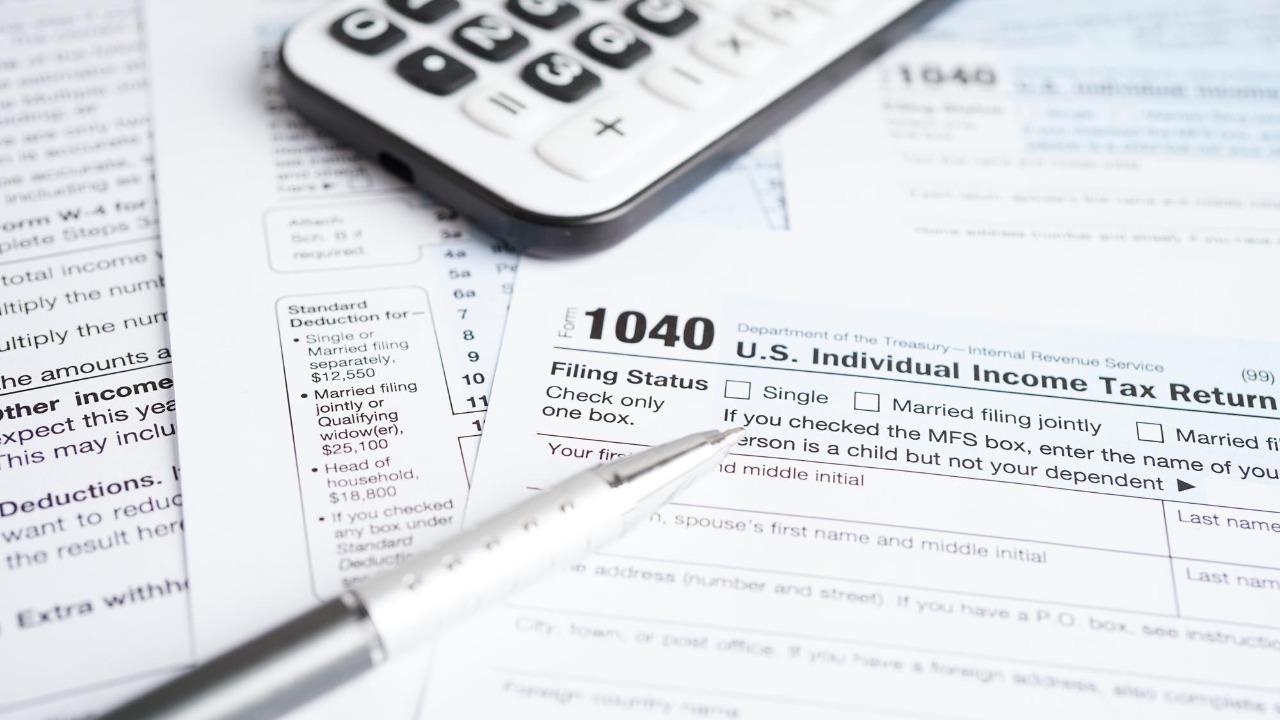
For years, filing a basic tax return in the United States has often meant paying a private company for the privilege of telling the government how much you owe. Now the Internal Revenue Service is trying to change that equation, building and promoting ways for people to file at no cost that look a lot like a direct challenge to commercial software. The effort is messy and politically fraught, but it signals a clear shift toward treating free digital filing as a public utility rather than a premium upsell.
I see a tug of war emerging between a tax system that has grown dependent on private software and a public agency that is finally acting on the idea that simple returns should be simple to file. The result is a patchwork of free tools, from online software to in person help, that together amount to a quiet attempt to create a “TurboTax killer,” even as one of the most ambitious experiments has already been shut down.
From niche pilot to canceled experiment
The clearest sign that the IRS was willing to compete with private software was Direct File, a free online government service that let eligible taxpayers submit federal returns directly to the agency. According to the IRS, Direct File was designed as a no cost federal e file option for common situations, cutting out third parties, upsells and paid “add ons” that have become standard in commercial products. After a successful pilot during the 2024 filing season, the IRS reported that more than 140,000 taxpayers used Direct File, a modest number in a country of more than 150 million returns but a meaningful proof of concept that the government could run its own digital filing platform.
By Jonathan Lore wrote that, starting in 2025, more taxpayers would be able to file their taxes for free with the Internal Revenue Service using Direct File on a computer, a smartphone or a tablet, suggesting a planned expansion beyond the initial pilot states. Yet despite that trajectory, the IRS ended the program in November 2025, a decision detailed in multiple analyses of Direct File. One advisory notes that the IRS Ends Direct File, What U.S. Taxpayers Need To Know For The 2026 Filing Season, framing the shutdown as a major change for people who had hoped to rely on a government run, no cost federal e file option.
Why free filing became a political fight
The idea of a government run digital filing tool did not emerge in a vacuum. For years, the IRS has partnered with private companies through the Free File program, which lets eligible taxpayers use commercial software at no charge. Through the program, Through the program, 70% of U.S. taxpayers are eligible to use commercial software for free to file their tax returns and almost all taxpayers can use the program, regardless of income, for certain forms. A related description notes again that, Through the program, Through the program, 70% of U.S. taxpayers are eligible for free software, underscoring how large the theoretical reach is.
In practice, however, many people who qualify for Free File never find it, and some are steered into paid products instead. The Federal Trade Commission has been blunt about this pattern, stating that the FTC finds TurboTax “Free” is not Free for most, and emphasizing that Free means Free, right, if you are TurboTax, not always. That ruling crystallized a long running criticism that private software companies have used confusing marketing and product design to turn a public benefit into a sales funnel. Against that backdrop, a no strings attached government platform like Direct File was always going to be seen as a direct competitive threat.
The strange afterlife of Direct File
Even as the IRS pulled the plug on its own platform, the technology behind it did not disappear. Reporting on the free filing IRS software notes that the IRS software TurboTax wanted to kill is now open source for all Americans, turning the code into a public resource. The same coverage explains Why Direct File was seen as a disruptive filing option for the public, precisely because it removed the need for a commercial intermediary in many common tax situations.
Video explainers have picked up on the irony. One widely shared breakdown argues that the IRS had the great idea to give you a free way to file your taxes, no software company, no upsells, no third parties, no upgrade, no something they did not intend, before walking through Why the IRS Killed Its Own Free Tax System. Another version of the same analysis, which notes that Jan, IRS had the great idea to give you a free way to file your taxes, is available through a separate Jan link. Together, they capture a broader public frustration: the government briefly built the kind of simple, free system many people say they want, then dismantled it just as it was starting to work.
What replaces Direct File for 2026
With Direct File gone for the 2026 season, the IRS is steering taxpayers back toward a mix of existing free options. One advisory on the end of the program, titled IRS Ends Direct File, What U.S. Taxpayers Need To 2026 Filing Season, notes that people who relied on the pilot will need to pivot to other free federal e file options. A separate analysis of Implications for Taxpayers explains that the end of IRS Direct File 2026 introduces critical considerations for taxpayers claiming credits or deductions, since they may now need more robust software or professional help to navigate those provisions.
Consumer focused guides have already started mapping out the new landscape. One overview notes that the IRS kills Direct File Option for 2026, Here is how you can still file your taxes for free, and emphasizes that the IRS has eliminated the Direct File Option for 2026 but continues to offer other no cost tools for low income taxpayers, military families and underserved communities. Another guide explains that the IRS Ended Its Direct File Tax Program, Here Are the Best Options to File for Free in 2026, highlighting alternatives that still cover many common tax situations. A related summary, which repeats that IRS Ended Its Direct File Tax Program, Here Are the to File for Free, underscores that the market for free filing did not vanish with Direct File, it simply shifted back toward a mix of IRS partnerships and private tools.
The quiet expansion of other free IRS tools
Even without Direct File, the IRS has been quietly expanding its own free offerings. On its website, the agency promotes IRS Free File as a way to do your taxes for free, pairing guided software with fillable forms. A separate “get ready” page stresses that you should File your taxes and Use IRS Free File, and that Almost everyone can file electronically for free on IRS.gov or with the IRS2Go app, with The IRS emphasizing that Free File also includes free fillable Forms, regardless of your income. Another detailed page on how to File your taxes for free explains Do I Qualify for Guided Tax, describing IRS Free File Guided Tax as a secure mobile friendly way to prepare and file your tax return.
More From The Daily Overview

Julian Harrow specializes in taxation, IRS rules, and compliance strategy. His work helps readers navigate complex tax codes, deadlines, and reporting requirements while identifying opportunities for efficiency and risk reduction. At The Daily Overview, Julian breaks down tax-related topics with precision and clarity, making a traditionally dense subject easier to understand.

