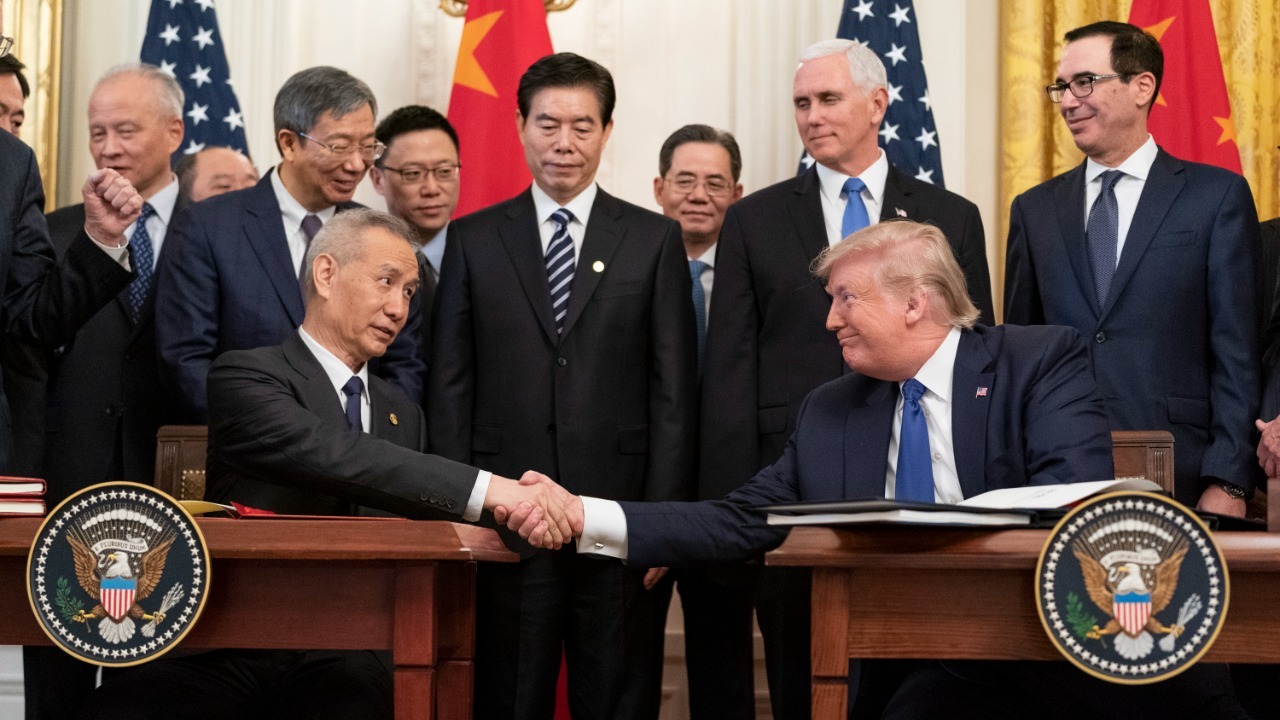
The recent U.S.-China trade truce offers a temporary respite for American soybean farmers, yet it comes with a significant caveat. While the truce suspends tariffs, it lacks a comprehensive deal and notably omits any commitments from China to purchase U.S. soybeans. This 90-day extension, announced after August 12, 2025, leaves farmers in a precarious position, exacerbating uncertainties in an already volatile market. Despite initial optimism, the absence of firm commitments underscores the vulnerabilities in the U.S. agricultural export sector.
Background on the U.S.-China Trade Truce
The formation of the U.S.-China trade truce marks a critical juncture in the ongoing trade tensions between the two nations. Announced on August 12, 2025, the truce includes a 90-day extension that temporarily suspends tariffs but fails to resolve underlying issues in President Trump’s trade policies. This extension stems from unresolved tensions that have persisted throughout Trump’s administration, leaving key sectors like agriculture in limbo. The core terms of the truce focus on tariff suspensions without addressing specific commitments to soybean purchases, a significant concern for American farmers reliant on exports to China.
Initial reactions from the farming community have been mixed. Many soybean farmers expressed relief at the temporary suspension of tariffs, as reported on October 30, 2025. However, the broader economic pressures remain, with farmers wary of the long-term implications of a truce that lacks concrete commitments. The absence of soybean-specific agreements highlights the fragility of the current arrangement and the potential for future disruptions in the agricultural export market.
The Catch: No Soybean Purchases in the Truce
A critical omission in the trade truce is the lack of soybean purchase agreements from China. The 90-day extension explicitly states “no deal and no soybean purchases,” leaving U.S. soybean farmers without a key market for their crops. This absence significantly impacts market dynamics, as China has historically been a major buyer of U.S. soybeans. The stalled exports to China exacerbate existing challenges for farmers, who face reduced income projections and increased uncertainty in the Midwest, a region heavily dependent on soybean production.
The implications for the U.S. soybean market are profound. Without Chinese purchases, farmers must contend with oversupply and depressed prices, further straining their financial stability. The lack of a clear path forward in trade negotiations leaves farmers vulnerable to market fluctuations and policy changes, underscoring the need for diversified markets and strategic planning to mitigate risks.
Trump’s Trade War and Its Escalation Risks
President Trump’s second trade war with China, discussed in detail on June 30, 2025, builds on previous conflicts and positions the current truce as a fragile pause rather than a resolution. The ongoing trade tensions have placed U.S. farmers at a disadvantage, with economic data showing significant challenges in the agricultural sector. Reports from November 2, 2025, indicate that Trump is losing the trade war with China, as the U.S. faces mounting economic pressures and competitive disadvantages in key markets.
The potential for escalation looms large, with renewed tariffs and further trade disruptions posing significant risks for American farmers. Experts warn that the current truce may only delay inevitable conflicts, leaving the agricultural sector vulnerable to future policy shifts. The lack of a comprehensive trade agreement exacerbates these risks, highlighting the need for strategic planning and policy reforms to support the farming community.
Implications for American Soybean Farmers
For American soybean farmers, the trade truce offers short-term relief through tariff suspensions but leaves long-term uncertainties unresolved. The absence of purchase guarantees from China poses significant challenges, particularly for key soybean-producing states like Iowa and Illinois. These regions rely heavily on exports to China, and the lack of a clear path forward in trade negotiations threatens their economic stability.
Farmers are exploring adaptation strategies to mitigate the impact of the trade truce’s limitations. Diversifying markets and seeking alternative buyers are critical steps in reducing reliance on Chinese purchases and stabilizing income streams. However, these efforts require time and investment, underscoring the need for supportive policies and resources to facilitate market diversification and enhance the resilience of the agricultural sector.
In conclusion, the U.S.-China trade truce presents both opportunities and challenges for American soybean farmers. While the temporary suspension of tariffs offers some relief, the absence of firm commitments from China highlights the vulnerabilities in the U.S. agricultural export market. As farmers navigate this uncertain landscape, strategic planning and policy support will be essential in ensuring their long-term viability and success.
More From TheDailyOverview
- Dave Ramsey says these two simple questions show whether you’re rich or poor
- Retired But Want To Work? Try These 18 Jobs for Seniors That Pay Weekly
- IRS raises capital gains thresholds for 2026 and what’s new
- 12 ways to make $5,000 fast that actually work

Grant Mercer covers market dynamics, business trends, and the economic forces driving growth across industries. His analysis connects macro movements with real-world implications for investors, entrepreneurs, and professionals. Through his work at The Daily Overview, Grant helps readers understand how markets function and where opportunities may emerge.

