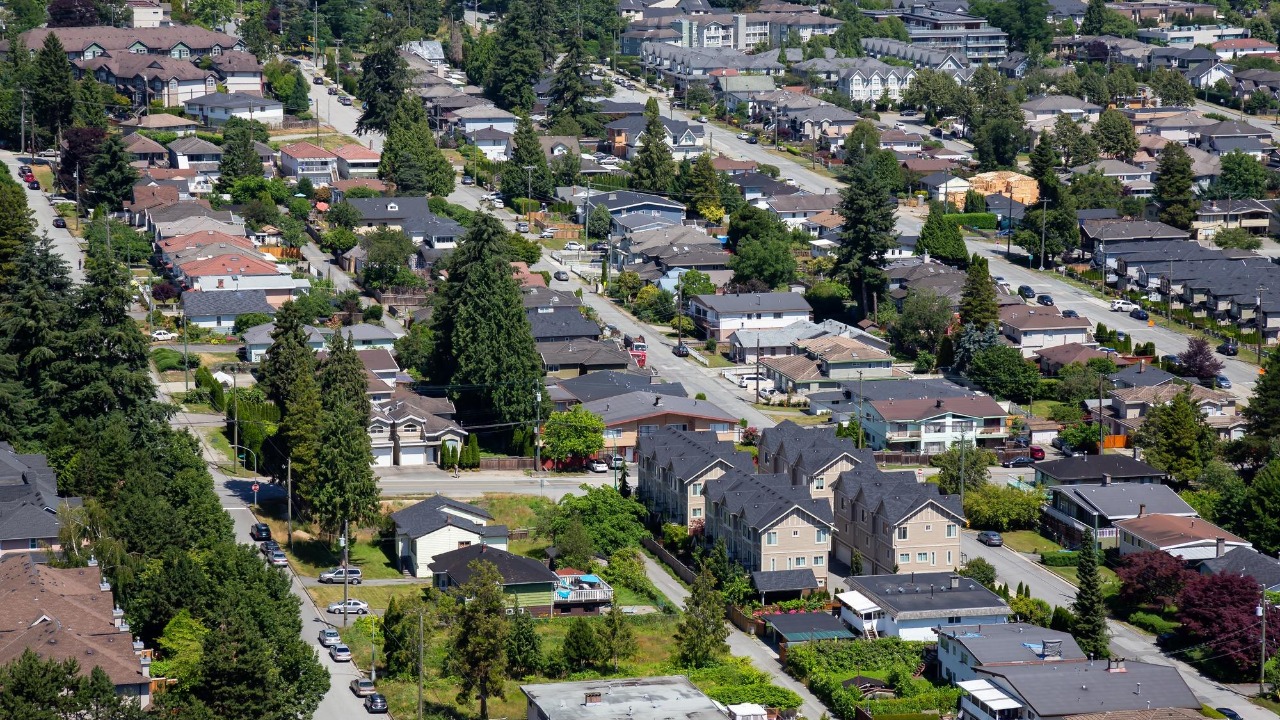
After years of punishing price spikes and mortgage shocks, the U.S. housing market finally looks set to tilt, slightly, back toward buyers in 2026. Forecasts point to modest price relief, a bit more inventory, and lower borrowing costs, all of which should make ownership a little more attainable, even if it is far from cheap. The shift will not feel like a crash or a clearance sale, but rather a slow easing that rewards patience and preparation.
The story of 2026 is not about a dramatic reversal of the past decade, but about a fragile new balance between buyers and sellers. I expect that balance to emerge through small price dips in some cities, slower growth in others, and a gradual “reset” in how buyers, sellers, and builders behave after the frenzy of the pandemic era.
The Great Housing Reset starts to take hold
The clearest signal that affordability will improve in 2026 is the broad agreement that the market is entering what some analysts describe as a reset rather than another boom. One major forecast argues that U.S. homebuyers will start to get some relief as the market transitions into a period of more normal sales volumes and cooler price dynamics, a shift framed as part of a longer “Great Housing Reset” that follows the extreme conditions of the early 2020s. That reset is expected to bring more listings, less bidding-war pressure, and a closer alignment between what buyers can pay and what sellers can realistically ask, according to detailed housing market predictions.
Another analysis, Published by Chen Zhao and Daryl Fairweather, underscores that this reset is not a one-year event but a years-long process that gradually restores conditions closer to what buyers and sellers experienced before the pandemic. I see that as a crucial nuance: 2026 is less a finish line and more an early chapter in a longer normalization. The same theme appears in regional outlooks, where analysts say that, instead of a sharp downturn, the Instead, Great Housing Reset will be a period of gradual increases in home sales and a return to something closer to the Great Recession era’s balance between supply and demand.
Prices: from relentless gains to gentle declines
For buyers who have watched prices climb relentlessly, the most important shift is that national home values are expected to flatten or even slip slightly in 2026. One prominent forecast projects that home prices are likely to edge down for a second consecutive year, a break from the double-digit surges that defined the pandemic period, as part of a broader outlook in which Home prices are expected to move more in line with incomes. That same forecast characterizes the coming year as one in which Home Sales To Remain in Low Gear as Balance Holds, suggesting that even modest price declines will be tempered by relatively subdued transaction volumes.
Other analysts see a similar pattern, with some markets tipping into outright price cuts while others simply cool. A national overview of 2026 trends notes that the market is likely to be the most buyer-friendly it has been since late 2022, as sellers adjust expectations and buyers regain some leverage, according to a broad set of housing market predictions. I read that as a shift from a market where buyers had to waive contingencies and overbid, to one where they can negotiate repairs, closing costs, or small price cuts, even if headline prices do not collapse.
Where buyers may finally see discounts
National averages can obscure the fact that some local markets are already poised for more noticeable price relief. One detailed forecast finds that home prices are poised to dip in 22 U.S. cities in 2026, a sign that the most overheated metros are finally giving ground as higher mortgage rates and stretched budgets bite into demand. The same analysis emphasizes that it is still a tough time to buy and that conditions remain far from what many would consider normal, but it marks a clear turning point from the days when nearly every market posted annual gains, according to a report that invites readers to See where those declines are expected. That same report notes that Mary Cunningham is a reporter for CBS and that She previously worked at 60 M, a reminder of the deep reporting bench behind these projections.
Regional forecasts echo this uneven pattern. Analysts tracking the Austin metro, for example, expect the local market to cool as part of the broader Great Housing Reset, with fewer bidding wars and more realistic list prices as pandemic-era migration slows and supply catches up. The outlook for that region, which is part of the same Great Housing Reset narrative, suggests that buyers who were priced out during the boom may finally find listings that fit their budgets, even if they still face stiff competition for the most desirable neighborhoods and school districts.
Mortgage rates: lower, but not low
Price relief alone will not fix affordability if borrowing costs stay elevated, which is why the projected path of mortgage rates in 2026 matters so much. Housing economists predict that rates could fall into a range between 5.90% and 6.30% by the end of 2026, a meaningful improvement from the peaks above 7 percent that sidelined many buyers, according to a detailed Housing rate outlook. There is good and bad news in that forecast: lower rates will help more households qualify for loans, but they may also pull sidelined buyers back into the market, limiting how far prices can fall.
Other analysts frame the rate story as part of a broader reset in buyer psychology. One overview notes that as rates drift down and stabilize, buyers will shift from waiting for the perfect moment to focusing on whether a given home fits their goals and timeline, a perspective captured in guidance that asks What will happen to home prices in 2026 and Here is what experts say buyers should know now. Steven Glick, director of mortgage sales at a major lender, is cited in that analysis as urging buyers to weigh their personal timelines more heavily than short-term rate moves, a reminder that even in a slightly cheaper market, timing the bottom is nearly impossible.
Affordability improves, but only a bit
When you put prices and rates together, the consensus is that 2026 will feel like the first year in a while when the math on a starter home looks marginally less brutal. One detailed outlook argues that the U.S. housing market will get a bit more affordable in 2026, as incomes catch up slightly and monthly payments ease for new buyers, a shift that is especially important for Aspiring homeowners who have been stuck renting longer than they planned. That analysis, which credits reporting by Prashant Gopal and Josyana Joshua, frames the coming year as a modest turning point rather than a full reset, with affordability gains concentrated in specific metros and price tiers, according to a report on how Prashant Gopal and Josyana Joshua describe the shift for Bloomberg.
Another influential forecast goes further, describing 2026 as the start of a “new era” in the housing market as affordability finally improves for the first time in a bunch of years, with home prices and incomes moving back into a healthier relationship. That analysis argues that the worst of the affordability crunch is likely behind us, even if conditions remain challenging, and that the early stages of this new era will be defined by slower price growth, slightly lower rates, and more realistic expectations on both sides of the closing table, according to a detailed outlook on a new era in housing. I see that framing as a useful reminder that “cheaper” in 2026 is relative: the bar is so high after years of rapid appreciation that even small steps toward balance will feel significant to buyers who have been shut out.
How buyers and sellers should adapt
For buyers, the emerging 2026 landscape calls for a different strategy than the one that dominated the pandemic frenzy. Instead of racing to beat every listing with an all-cash offer, I expect more shoppers to take time comparing neighborhoods, weighing trade-offs between price and commute, and using contingencies again as leverage. Analysts who track buyer behavior suggest that as the Great Housing Reset unfolds, more consumers will focus on long-term fit rather than short-term appreciation, a theme that runs through forecasts that describe how Follow Jennifer Sor reports Redfin expects more homebuying in 2026 as conditions normalize. I would add that buyers who lock in a home that fits their lives at a slightly high rate can always refinance later if rates fall further, while those who keep waiting for a perfect bottom risk being priced out again if demand rebounds.
Sellers, meanwhile, will need to adjust to a world where simply listing a home is no longer enough to guarantee multiple offers above asking. The forecasts I have reviewed suggest that realistic pricing, strategic repairs, and flexible closing timelines will matter more in 2026 than they did during the peak of the boom, when nearly any property could attract attention. One national outlook on 2026, which notes that You confirm that the submitted content is original, accurate, and non-infringing on any third-party rights as part of its methodology, still concludes that the market is shifting toward buyers, even if it remains tight by historical standards, according to a broad set of Dec projections. In practical terms, that means sellers who cling to 2021 price fantasies may watch their listings sit, while those who price in line with the new reality can still secure strong, if not record-breaking, returns.
More From TheDailyOverview

Elias Broderick specializes in residential and commercial real estate, with a focus on market cycles, property fundamentals, and investment strategy. His writing translates complex housing and development trends into clear insights for both new and experienced investors. At The Daily Overview, Elias explores how real estate fits into long-term wealth planning.

