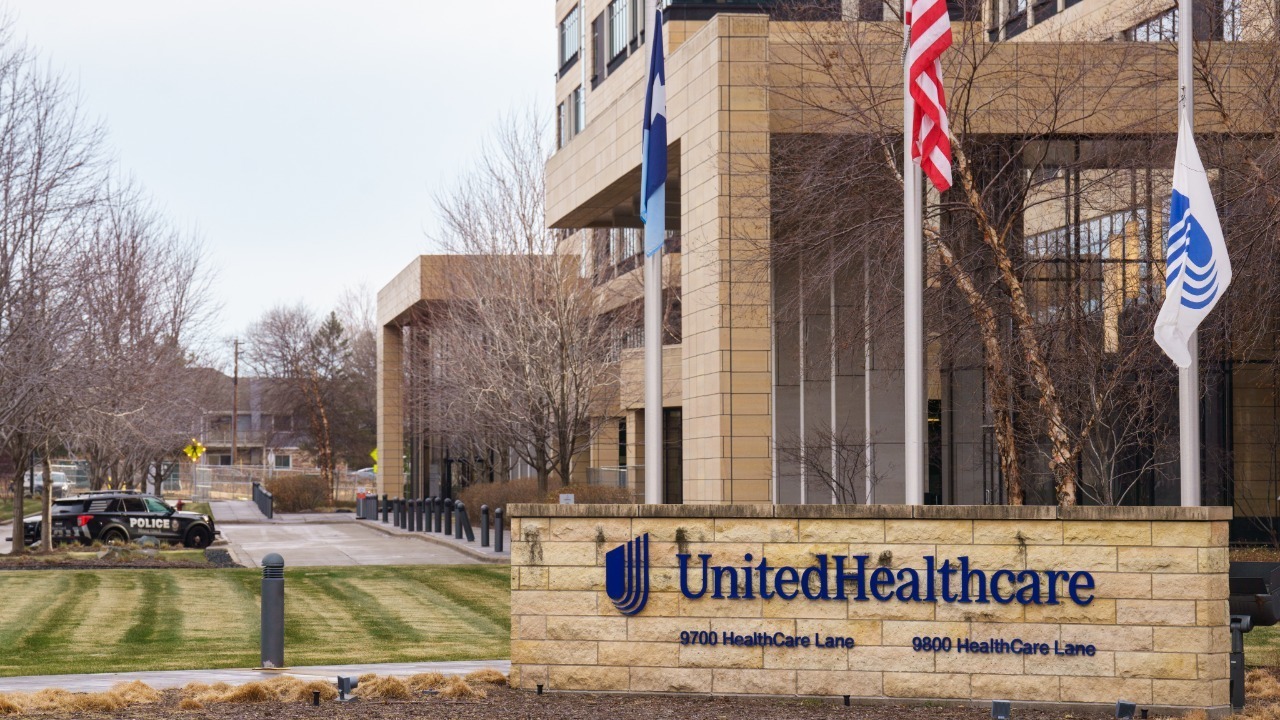
UnitedHealth Group Inc. is promising to give back any profits it earns on Affordable Care Act marketplace plans in 2026, a pledge that could reshape both the politics and business of Obamacare. The nation’s largest health insurer is telling its ACA customers that if its exchange business ends the year in the black, that money will flow back to them rather than to shareholders. The move lands at a moment when President Donald Trump and Congress are pressing insurers over high premiums and taxpayer subsidies, turning a corporate policy decision into a high‑stakes test of accountability.
The company’s vow applies to its individual plans sold on the Obamacare exchanges, where federal subsidies help millions afford coverage. While UnitedHealth has long been a relatively small player in that slice of the market, its decision to voluntarily rebate profits signals that the political heat around ACA margins is now too intense for even the biggest industry players to ignore.
What UnitedHealth actually promised for 2026
UnitedHealth has committed that any profits it makes on its Obamacare marketplace business in 2026 will be returned directly to the people enrolled in those plans. Executives framed the decision as a way to ensure the company is not seen as profiting from taxpayer‑funded subsidies that support Affordable Care Act coverage, with the pledge explicitly tied to its ACA exchange products rather than its broader commercial or Medicare lines. The company’s statement that it will “return Obamacare profits to customers in 2026” makes clear that the rebate is pegged to performance over the full plan year, not to a one‑time discount or marketing promotion, and that the beneficiaries will be ACA members rather than employers or brokers who work with the insurer’s other businesses, according to UnitedHealth pledges.
The company has also emphasized that it is a “relatively small participant” in the individual ACA market, a point that underscores both the symbolic nature of the move and its limited direct financial exposure. In a statement highlighted by policymakers, UnitedHealthcare said that “though UnitedHealthcare is a relatively small participant in the individual ACA market, we will voluntarily eliminate and rebate our profits this year for ACA coverages” and that it intends to send this money back to ACA members, language that was echoed in coverage of how the insurer will handle its 2026 exchange earnings for ACA members.
Political pressure, Trump’s scrutiny, and a preemptive concession
The timing of the announcement is not accidental. UnitedHealth’s pledge landed just as health insurance chief executives were preparing to appear before Congress, where lawmakers have been probing whether insurers are driving high health care costs and benefiting too richly from Obamacare subsidies. Members of Congress have been pressing the largest carriers to commit to concrete steps that would ease the burden on consumers, and the decision to rebate ACA profits in 2026 gives UnitedHealth a high‑profile answer when asked how it is sharing the gains from federal support for coverage, a dynamic that was highlighted as lawmakers sought commitments from their CEOs.
At the same time, President Donald Trump has been escalating his criticism of insurers over ACA profits, turning the sector into a political target as he argues that companies should not be pocketing margins built on taxpayer subsidies. Investor commentary has framed UnitedHealth’s move as a response to a climate in which “Trump Takes Aim” at insurers and questions whether this rebate policy is the beginning of a broader shift in how carriers handle ACA earnings. Analysts watching UnitedHealth Group Inc. have asked “What Does That Mean for UNH Stock” as the company announces plans to “Rebate ACA Profits” while the White House steps up scrutiny of the industry, a linkage that has been drawn explicitly in coverage of how Trump Takes Aim.
Inside the rebate mechanics and what ACA members might see
UnitedHealth has described the 2026 policy as a voluntary elimination and rebate of profits on its ACA exchange products, which means the company is not waiting for regulators to order refunds through existing medical loss ratio rules. Instead, it is promising to calculate its bottom line on Obamacare plans and then send that margin back to enrollees, a structure that could take the form of premium credits, cash payments, or reductions in out‑of‑pocket costs. In public comments, executives have said “we will voluntarily eliminate and rebate our profits this year for ACA coverages, as Congress continues to work toward more long‑term solutions,” signaling that the company expects lawmakers to keep debating structural reforms even as it moves ahead with its own rebates for its Obamacare customers.
UnitedHealth Group CEO Stephen Hemsley has personally tied the pledge to concerns about fairness in a subsidized market, vowing to rebate Affordable Care Act profits and stressing that the money will go back to these customers rather than being retained as extra earnings. Hemsley’s role as Group CEO has been central to the messaging, with coverage noting that the UnitedHealth Group CEO vowed to rebate Obamacare profits to customers and that he framed the decision as a way to ensure the company is not seen as profiting from taxpayer‑funded help. In explaining the policy, Hemsley has been cited as saying that the company will rebate Affordable Care Act profits to these customers, a commitment that has been highlighted in reporting on how the Group CEO is responding to political and consumer pressure.
Why a “small participant” is making a big symbolic move
UnitedHealth has been careful to remind Washington that it is not the dominant player on the ACA exchanges, describing itself as a relatively small participant in the individual market even as it remains the largest health insurer overall. That positioning allows the company to argue that its pledge will not destabilize the broader marketplace while still sending a signal about how insurers can handle profits in a heavily subsidized program. The company’s statement that “though UnitedHealthcare is a relatively small participant in the individual ACA market, we will voluntarily eliminate and rebate our profits this year for ACA coverages” has been widely cited as evidence that the insurer is trying to balance political expectations with the limited scale of its exchange business, a balance that was underscored in reporting that quoted the line beginning with “Though UnitedHealthcare is a relatively small participant” in the Though UnitedHealthcare statement.
At the same time, the company’s broader corporate identity as UnitedHealth Group Inc. means any move it makes on ACA plans is closely watched by investors and policymakers. Analysts have noted that UnitedHealth Group Inc. plans to give profits from its Affordable Care Act plans back to customers in 2026 and that this is being interpreted as a response to criticism that insurers are profiting from taxpayer‑funded help. The fact that the pledge is limited to ACA plans, and that it is framed as a voluntary step rather than a concession extracted by regulators, has been highlighted in coverage that describes how Group Inc is trying to stay ahead of the political curve while preserving flexibility in its other lines of business.
Investor reaction and what comes next for UNH
For Wall Street, the key question is whether rebating ACA profits in 2026 is a one‑off concession or the start of a new normal in which exchange margins are effectively capped by politics. Investor commentary has focused on how UnitedHealth Group’s decision to rebate 2026 ACA plan profits to customers might affect earnings expectations and valuation, with some analysts arguing that the financial hit will be modest because the company’s ACA footprint is relatively small. Others have warned that if political pressure spreads to Medicare Advantage or employer plans, the precedent of giving up profits in one line of business could embolden calls for similar moves elsewhere, a concern that has been raised in analysis of How Investors May the rebate pledge.
More From TheDailyOverview
*This article was researched with the help of AI, with human editors creating the final content.

Grant Mercer covers market dynamics, business trends, and the economic forces driving growth across industries. His analysis connects macro movements with real-world implications for investors, entrepreneurs, and professionals. Through his work at The Daily Overview, Grant helps readers understand how markets function and where opportunities may emerge.

