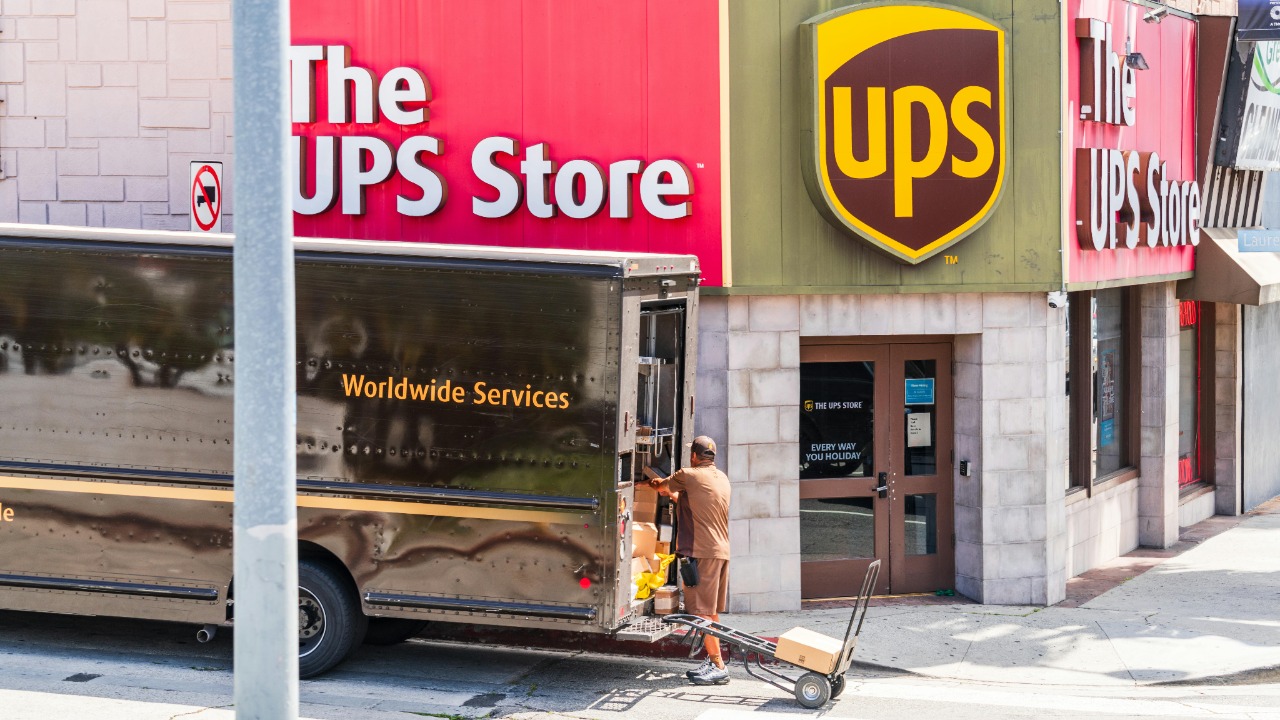
On October 18, 2025, UPS faced significant operational disruptions as new tariffs on imported goods took effect, causing widespread delays in package deliveries across the United States. This situation highlights a shift from theoretical policy discussions to real-world impacts on consumers, with reports of stranded goods at distribution centers and frustrated customers. The chaos at UPS underscores the tangible effects of recent policy changes that have intensified supply chain pressures, marking a new phase in the ongoing trade tensions.
Origins of the Tariff Surge
The recent surge in tariffs stems from a series of policy decisions that have been unfolding since early 2025. Key legislative actions and executive orders have expanded duties on a wide range of imported goods, with a particular focus on high-volume categories such as electronics and apparel. These measures build on previous trade conflicts, intensifying in mid-2025 with significant rate increases that have further strained the logistics sector. Industry analysts had warned of potential bottlenecks as early as late 2024, predictions that have now materialized in the form of operational chaos at UPS.
These tariffs are part of a broader strategy to recalibrate trade balances and protect domestic industries. However, the rapid implementation and scope of these duties have caught many businesses off guard. The electronics and apparel sectors, in particular, have been hit hard, with increased costs being passed down the supply chain. This has led to a ripple effect, impacting not only logistics companies like UPS but also retailers and consumers who are now facing higher prices and longer wait times for goods.
UPS’s Operational Breakdown
The immediate effects of the tariff-induced chaos were most visible at UPS hubs, where delays in sorting facilities in major cities like Louisville and Chicago became commonplace. Customs holdups have exacerbated these issues, leading to significant backlogs. In response, UPS has had to reallocate its workforce and temporarily halt some international routing to manage the crisis. These disruptions have not only delayed shipments but have also increased operational costs, with estimates suggesting millions in added expenses due to compliance and rerouting efforts.
Internally, UPS has been scrambling to adapt to the new reality. The company has implemented emergency measures to mitigate the impact, including increasing staffing at key distribution centers and exploring alternative routing options. Despite these efforts, the scale of the disruptions has highlighted vulnerabilities in the logistics network, particularly in handling sudden policy shifts. The financial implications are significant, with UPS facing increased costs that could potentially be passed on to consumers in the form of higher shipping fees.
Impacts on Businesses and Suppliers
Small and medium-sized importers are among the hardest hit by the sudden tariff hikes. Many are grappling with inventory shortages as the cost of importing goods has skyrocketed. This has forced businesses to adjust their pricing strategies, often passing the increased costs onto retailers and, ultimately, consumers. Trade groups have been vocal in their calls for exemptions, but these pleas have largely gone unheeded since the policy’s enforcement in October 2025.
The e-commerce sector, heavily reliant on efficient logistics, has been particularly vulnerable to these disruptions. Platforms that depend on timely deliveries have faced significant challenges, with UPS delivery failures compounding the issues caused by tariff-impacted goods. This has led to a reevaluation of supply chain strategies, with some businesses exploring domestic sourcing options to mitigate future risks. The broader implications for the economy are significant, as these disruptions could lead to long-term shifts in trade patterns and consumer behavior.
Consumer Fallout and Broader Repercussions
The direct effects on households have been immediate and palpable. Delayed packages and rising shipping fees have become commonplace, frustrating consumers accustomed to the convenience of quick deliveries. This has prompted a shift in consumer behavior, with many turning to domestic alternatives as a more reliable option amid UPS’s unreliability. The broader economic implications are concerning, with potential long-term inflationary pressures stemming from the tariffs.
As consumers adjust to this new reality, the ripple effects are being felt across various sectors. Retailers are facing increased costs, which are likely to be passed on to consumers, further fueling inflation. The logistics industry, already under pressure, is being forced to innovate and adapt to the changing landscape. These developments underscore the interconnectedness of global trade and the far-reaching impacts of policy decisions on everyday life.
The current situation at UPS serves as a stark reminder of the complexities and challenges of navigating international trade in an era of heightened protectionism. As businesses and consumers alike grapple with the fallout, the need for strategic planning and adaptability has never been more critical. The coming months will be crucial in determining how these dynamics play out and what the long-term implications will be for the global economy.

Grant Mercer covers market dynamics, business trends, and the economic forces driving growth across industries. His analysis connects macro movements with real-world implications for investors, entrepreneurs, and professionals. Through his work at The Daily Overview, Grant helps readers understand how markets function and where opportunities may emerge.

