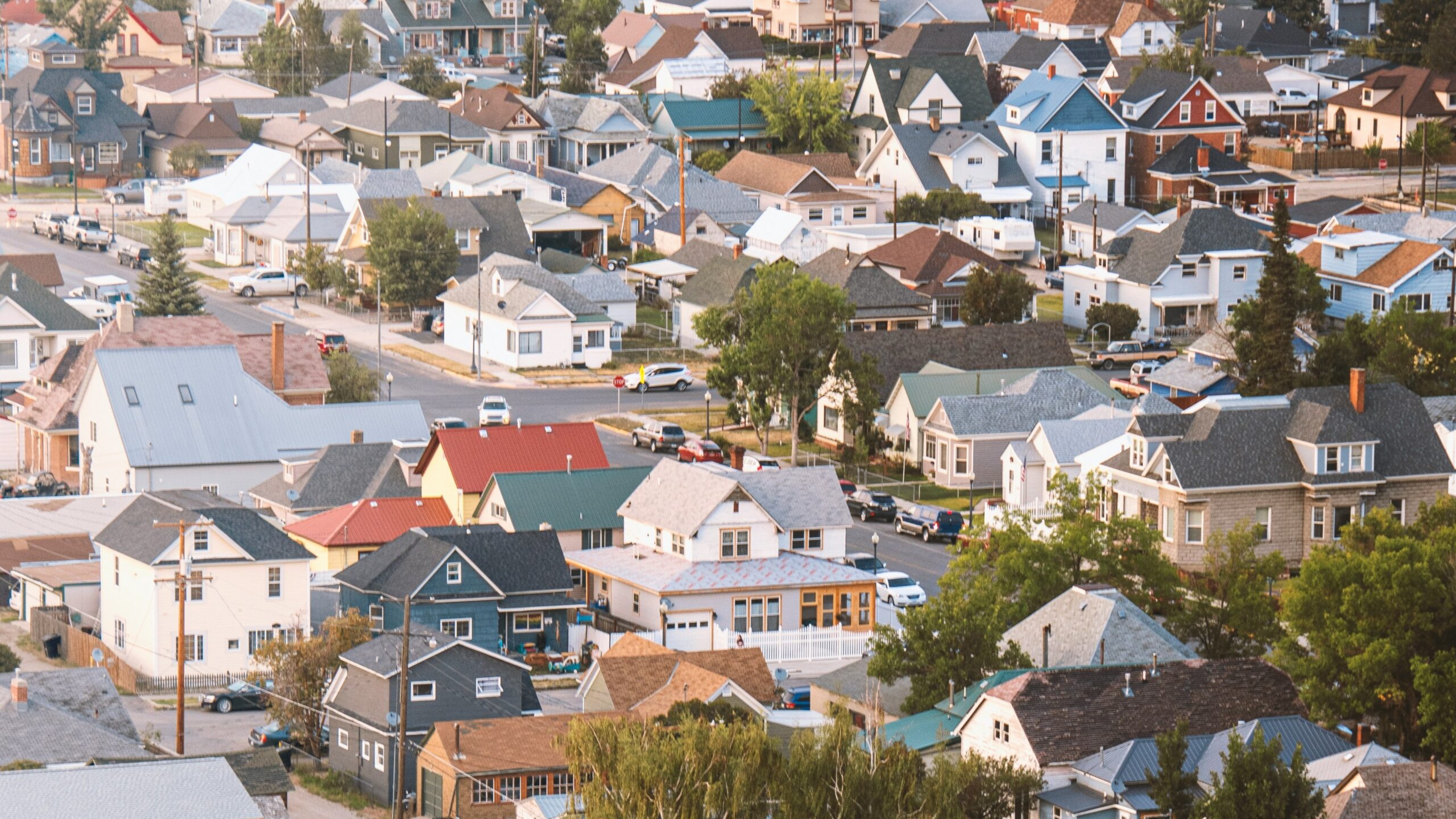
Across the country, housing has shifted from a background worry to a defining stress point of daily life, with renters and would-be buyers watching prices sprint ahead of their paychecks. At the same time, President Donald Trump is openly celebrating rising home values and signaling that he wants that climb to continue. The clash between voter anxiety and presidential rhetoric is turning the housing market into a sharp test of whose economic pain counts in national politics.
The core tension is simple: most Americans now experience housing as a cost crisis, not a wealth engine, yet the president is effectively rooting for the asset side of the ledger to inflate further. That gap is not just philosophical, it is geographic and generational, cutting through suburbs, small towns, and swing states where affordability has become a kitchen-table deal breaker.
Voters are sounding the alarm on housing costs
Housing has moved to the center of voter concern in a way that would have been hard to imagine a decade ago, when cheap mortgages and relatively abundant inventory still made ownership feel attainable. Polling cited in recent reporting shows that worries about rent and mortgage payments now rival inflation and jobs as top-tier issues, with respondents across income brackets describing housing as “unaffordable” or “barely manageable.” In interviews, younger adults talk about delaying children, marriage, or even basic milestones like moving out of a childhood bedroom because the math on a starter home no longer works.
Those anxieties are not confined to coastal enclaves with long histories of high prices. Coverage of national surveys indicates that voters in states as different as Florida, Wyoming, and Pennsylvania are telling researchers that the cost of keeping a roof overhead is one of their most immediate financial pressures, and that they see little relief on the horizon. One detailed account of these findings notes that respondents consistently rank housing as a major problem while also expressing skepticism that Washington is listening to their concerns, a pattern reflected in reporting from national polling.
Trump’s message: higher home prices are a feature, not a bug
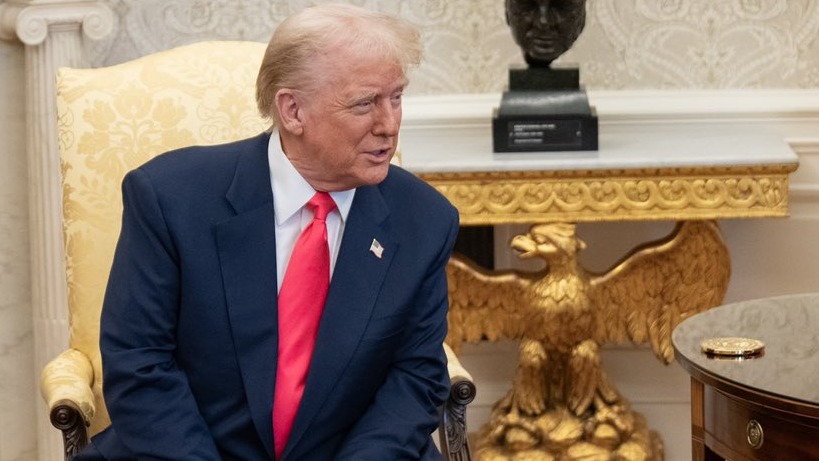
Against that backdrop, Trump has chosen to lean into a message that treats rising home values as a sign of success rather than a warning light. In public remarks captured on video, he has said plainly that he wants home prices to keep climbing, framing it as a reward for existing owners and a marker of economic strength. That framing fits his long-standing habit of equating asset inflation with prosperity, whether in stocks, luxury real estate, or suburban single-family homes.
What makes his current stance more pointed is that it is not just a celebration of past gains but a rejection of efforts to cool the market by building more. In one recent appearance, Trump dismissed proposals to expand housing supply, signaling that he opposes policies that might slow price growth even if they would make it easier for renters to buy. That posture has been detailed in coverage of his comments, including reporting that he has explicitly rejected a push to expand construction in favor of protecting existing equity, as described in accounts of his recent remarks.
A widening gap between policy instincts and public need
The result is a striking divergence between what voters say they need and what the president is promising. Survey work highlighted in multiple reports shows that people who already own homes are worried about property taxes and insurance, while renters and younger households are focused on getting a foothold in the market at all. Yet Trump’s rhetoric is calibrated to the first group, emphasizing the protection of existing wealth even if that means locking out those still on the sidelines. It is a classic insider–outsider split, with policy instincts tilted toward those who already hold the asset.
Several analyses of voter sentiment underscore that this is not just a partisan divide but a generational one, with millennials and Generation Z far more likely to say that high prices are a problem and that government should act to expand supply. One synthesis of polling and on-the-ground interviews notes that respondents in their twenties and thirties are especially frustrated by leaders who celebrate rising values while they struggle to cover rent, a tension captured in coverage from outlets such as Florida-based polling.
The affordability crisis as a political fault line
Housing is not just an economic story, it is becoming a political sorting mechanism that could reshape coalitions. In suburbs around Atlanta, Phoenix, and Detroit, young families are discovering that the starter homes their parents bought on one income now require two high salaries and help from relatives. That experience cuts across party lines and creates a shared sense that the system is rigged toward those who bought earlier or inherited property. When a president publicly roots for prices to rise further, it risks cementing the perception that federal policy is aligned with incumbent owners rather than aspiring ones.
Some coverage has already framed Trump’s stance as deepening an existing affordability crisis, noting that his celebration of rising values comes as renters face record-high costs and limited vacancies. One detailed analysis argues that his approach would likely intensify the squeeze on lower and middle income households by keeping supply tight and prices elevated, a dynamic explored in reporting on the broader affordability crisis. If that reading is correct, the political fallout is likely to be sharpest in swing suburbs where renters and recent buyers are already stretched thin.
Competing economic stories: cost of living vs asset inflation
Trump’s housing message also collides with a broader fight over who is doing what about the cost of living. The White House has tried to highlight efforts to lower everyday expenses, from prescription drugs to junk fees, and has pointed to targeted housing initiatives as part of that narrative. At the same time, critics note that Trump has focused his economic pitch on reviving growth and boosting asset values, including homes, rather than directly tackling monthly bills. That contrast has been spotlighted in coverage that juxtaposes administration messaging on affordability with Trump’s comments about rising prices, including a widely shared comparison of cost-of-living.
In effect, voters are being offered two different economic stories. One centers on trimming household expenses and nudging markets toward more supply, the other on pumping up the value of what people already own and trusting that prosperity will trickle down. Reporting that synthesizes national polling and Trump’s own words suggests that many Americans, especially those without significant assets, are not convinced that higher home prices will ever translate into a better life for them, a skepticism echoed in detailed accounts of how housing costs feed.
More From The Daily Overview
*This article was researched with the help of AI, with human editors creating the final content.

Elias Broderick specializes in residential and commercial real estate, with a focus on market cycles, property fundamentals, and investment strategy. His writing translates complex housing and development trends into clear insights for both new and experienced investors. At The Daily Overview, Elias explores how real estate fits into long-term wealth planning.