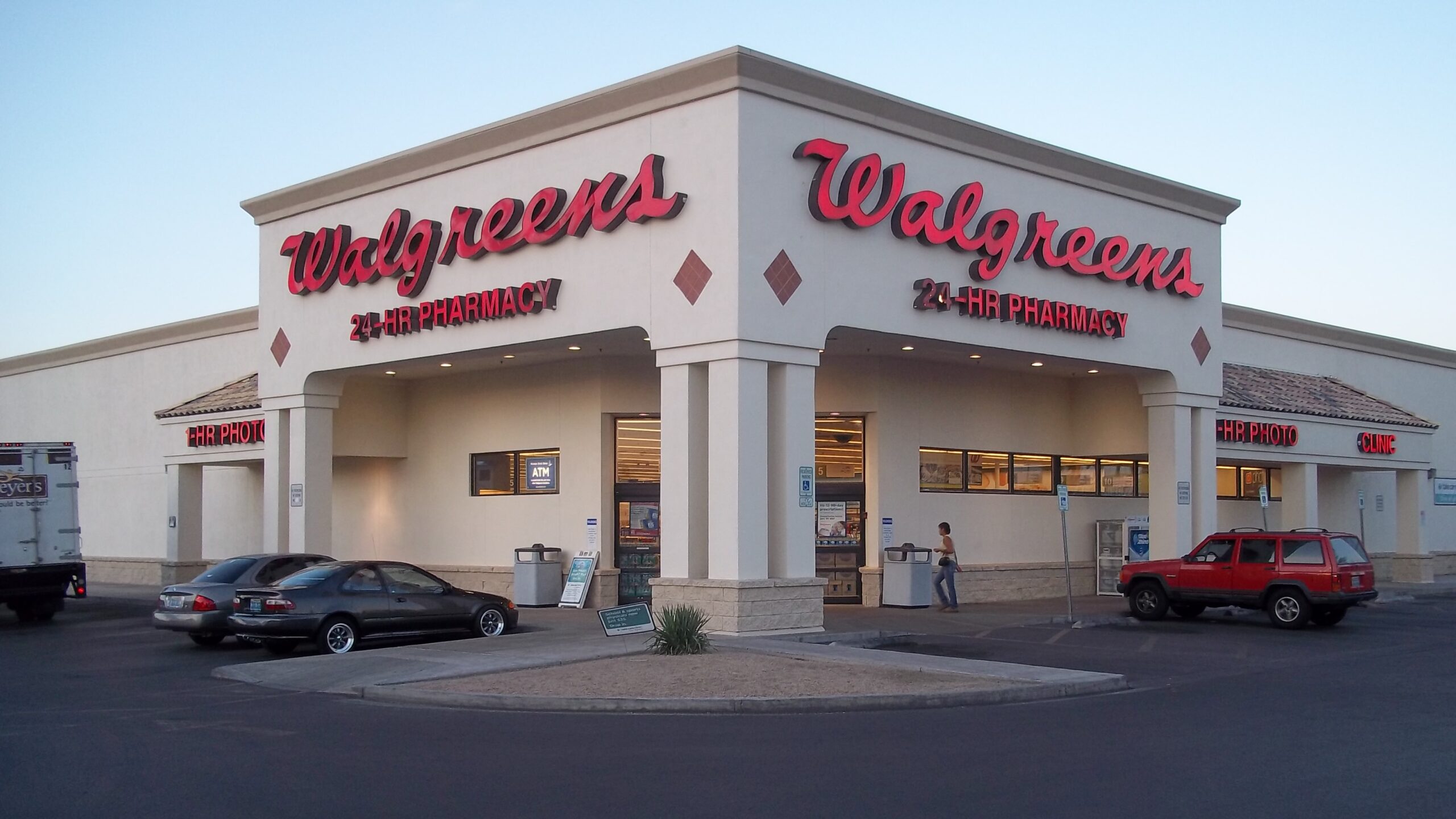
Walgreens Boots Alliance is cutting more than 600 jobs across the United States, making it the latest major American company to announce sweeping workforce reductions, tied to a private equity takeover. The layoffs, which began on February 19, 2026, follow the pharmacy chain’s acquisition by Sycamore Partners in a deal valued at $10 billion. The cuts extend from corporate offices to distribution operations, with one Texas facility set to close entirely, raising questions about whether rapid cost-cutting will strengthen or destabilize one of the country’s largest retail pharmacy networks.
Walgreens Becomes Latest US Giant to Unleash Massive Layoffs
Walgreens is laying off over 600 employees in a move that directly follows the completion of its private equity buyout. Sycamore Partners, a firm known for acquiring retail brands and aggressively restructuring their operations, now controls the pharmacy chain. The speed of the workforce reductions signals that the new ownership views headcount as one of the most immediate levers for improving the company’s financial position, a common playbook for private equity firms entering asset-heavy retail businesses.
The job cuts are not concentrated in a single division. They span multiple functions and geographies, reflecting a company-wide effort to reduce operating costs rather than a targeted response to one underperforming unit. For workers, the breadth of the layoffs creates uncertainty well beyond the initial round of terminations, since private equity restructurings often unfold in phases over the first 12 to 18 months of ownership. Employees in back-office roles, store support, and logistics all face the prospect that early cuts may be followed by further consolidation as Sycamore refines its restructuring plan and seeks additional savings.
Houston Distribution Center Closure Hits 159 Workers
One of the most concrete examples of the restructuring is the planned shutdown of Walgreens’ Houston distribution center. Official filings with the Texas Workforce Commission show that 159 workers at the facility received formal WARN Act notices, which federal law requires when employers plan mass layoffs or plant closures. The WARN filings list the employer name, site location, affected worker counts, notice date, and projected layoff date, providing a public paper trail that confirms both the scale and timeline of the Houston shutdown.
Local coverage connected to the Houston television market initially flagged the closure as affecting more than 150 employees, underscoring the significance of the move for the region’s logistics workforce. The distribution center’s elimination removes a key node from Walgreens’ supply chain in one of the largest metropolitan areas in the country, potentially lengthening delivery routes and increasing reliance on facilities in other states. For the Houston-area workers losing their jobs, the closure means competing for warehouse and logistics positions in a labor market where e-commerce fulfillment centers run by major national employers already exert strong bargaining power over wages, schedules, and working conditions.
Shareholders Backed the $10 Billion Deal
The layoffs trace directly back to a transaction that Walgreens shareholders themselves approved. Investors voted to accept Sycamore’s $10 billion offer, a buyout that took the long-standing public company private. For many shareholders, the vote represented an exit from a stock that had fallen out of favor as the retail pharmacy sector wrestled with shrinking margins, intensifying competition from online pharmacies, and strategic missteps in store expansion and health services.
The formal mechanics of the transaction are detailed in a proxy statement filed with the U.S. Securities and Exchange Commission. That document outlines the structure of the buyout, the entities Sycamore used to execute the acquisition, and the timeline of board deliberations. It also includes risk disclosures highlighting reimbursement pressure from pharmacy benefit managers, rising operating expenses, and the possibility of significant operational changes under new ownership. In retrospect, those warnings foreshadow the current wave of layoffs, suggesting that both Walgreens leadership and investors understood that a sale to private equity would almost certainly be followed by aggressive cost-cutting.
Pharmacy Sector Pressures Drove the Sale
Walgreens did not arrive at this point overnight. Before the Sycamore deal closed, the company had already announced plans to shutter a substantial number of stores, acknowledging that its large physical footprint had become more of a liability than a differentiator. Pharmacy reimbursement rates, largely dictated by insurers and pharmacy benefit managers, have been trending downward for years. Meanwhile, wages, rent, technology investments, and regulatory compliance costs have continued to rise, compressing margins and leaving little room for error in a business that depends on high volumes of low-margin prescriptions.
The broader retail pharmacy sector is grappling with the same structural headwinds. Rivals have responded with their own store closures, mergers, and diversification into insurance and health services. What makes Walgreens’ situation distinct is the shift to private equity ownership, a model that typically prioritizes rapid financial returns and debt reduction over gradual restructuring. Sycamore’s history with other retail brands, including office-supply chains and apparel labels, reflects a willingness to close locations, pare back staff, and streamline product offerings early in an ownership cycle. For Walgreens employees and the communities they serve, that track record raises the likelihood that the initial 600 job cuts and the Houston closure are the start of a broader transformation rather than isolated actions.
What the Cuts Mean for Workers and Communities
The immediate human cost falls on the workers who received termination notices this week and the 159 employees in Houston who face the closure of their distribution center. Many of these employees have specialized skills tied to pharmacy operations, inventory management, or logistics that may not translate directly into higher-paying roles elsewhere, particularly if they are competing against one another for a limited number of comparable jobs. Severance packages, retraining assistance, and unemployment benefits can soften the blow, but they rarely replace the stability and benefits of a long-term position with a national employer.
Communities will also feel the ripple effects of Walgreens’ restructuring. Fewer corporate and distribution jobs can mean reduced local spending, lower tax revenues, and diminished support for neighborhood organizations that have historically relied on large employers for sponsorships and donations. If further store closures accompany the job cuts, some neighborhoods—especially in rural areas or low-income urban districts—could see reduced access to in-person pharmacy services, complicating medication adherence for patients without reliable transportation or internet access. As Sycamore advances its turnaround plan, the central question will be whether the cost savings achieved through layoffs and facility closures can be balanced against the long-term health of Walgreens’ workforce, customer base, and the communities that have anchored its business for decades.
More From The Daily Overview
*This article was researched with the help of AI, with human editors creating the final content.

Grant Mercer covers market dynamics, business trends, and the economic forces driving growth across industries. His analysis connects macro movements with real-world implications for investors, entrepreneurs, and professionals. Through his work at The Daily Overview, Grant helps readers understand how markets function and where opportunities may emerge.

