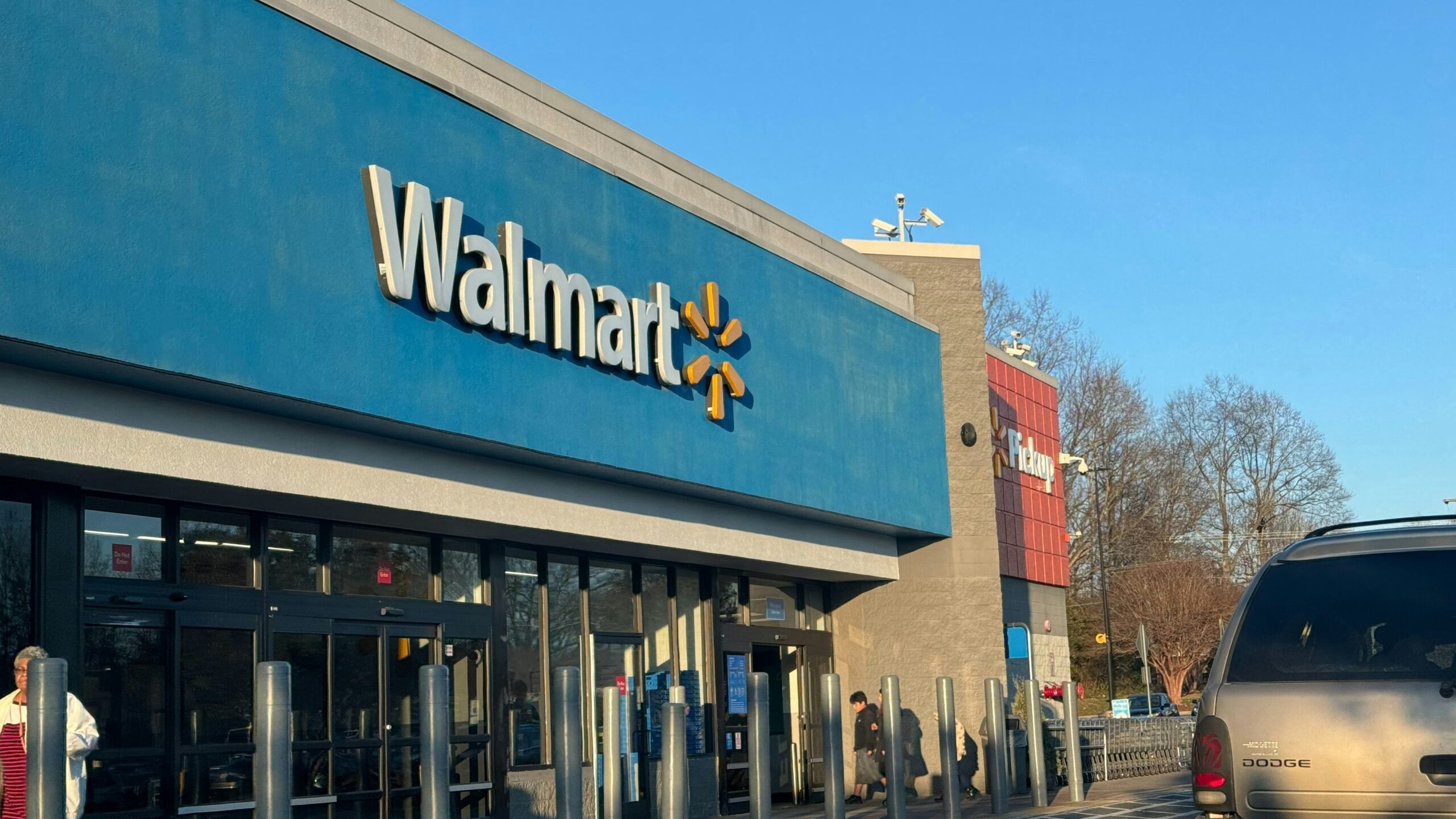
Walmart Inc. plans to pay U.S. corporate employees 121% of their target annual bonuses for the fiscal year ended January 31, 2026, according to an internal company memo first reported by Bloomberg. The payout lands just four percentage points below the plan’s maximum and follows recent years of above-target rewards, based on Bloomberg’s prior reporting on earlier bonus cycles. For corporate staff in Bentonville, Arkansas, and beyond, the announcement signals the retailer is sharing the upside of a strong operating year as competition in retail remains intense, including from Amazon.
What the 121% Payout Means in Practice
The bonus figure comes from a company memo first reported by Bloomberg, which details that the incentive plan sets 100% of an employee’s eligible bonus as the target and caps payouts at 125%. At 121%, most corporate staff will receive roughly a fifth more than their baseline bonus amount. The plan does not apply uniformly to hourly store workers, whose compensation structure differs, but for salaried corporate employees, the difference between a 100% and a 121% payout can amount to thousands of additional dollars depending on role and tenure.
One wrinkle in the data: Bloomberg’s earlier reporting on the prior fiscal year indicated that most corporate staff received 122% of their eligible bonus, and the year before that hit the full 125% cap. So while 121% is well above target, it actually represents a slight year-over-year decline. That distinction matters because it suggests Walmart’s internal performance metrics, while still strong, did not quite match the peaks of the two prior cycles. The trend line is still impressive, but it is no longer accelerating, and employees who have grown accustomed to near-maximal payouts may start to notice the incremental step-down.
How Walmart’s Incentive Mechanics Work
Walmart’s definitive proxy filed with the SEC in April 2025 lays out the architecture behind these payouts. The annual cash incentive program ties bonus calculations to specific performance metrics, including revenue growth and operating income, with defined payout ranges expressed as a percentage of target. Named executive officers have their own detailed formulas, but the broader corporate workforce participates in a similar structure where company-wide results determine the multiplier applied to each person’s eligible bonus, subject to business unit and individual performance adjustments.
The proxy filing does not publish the exact 121% figure for rank-and-file corporate staff, which is why the Bloomberg memo remains the primary source for the specific number. What the SEC document does confirm is that the plan uses a percent-of-target framework with threshold, target, and maximum tiers that can significantly amplify or reduce cash awards. Walmart’s 10-K report for the same fiscal year provides the audited financial results that feed into those calculations, including revenue, operating income, and other business drivers. Together, the two filings explain the machinery; the memo reveals the output, giving employees a concrete sense of how their day-to-day work translated into year-end compensation.
Record Revenue but a Lost Sales Crown
The financial results underpinning the bonus are genuinely strong by most measures. Walmart’s sales climbed during the fiscal year, driven by grocery market share gains and continued expansion in e-commerce, according to reporting in the business press. The company’s advertising business also grew, adding a higher-margin revenue stream that has become increasingly important to the retailer’s profit mix. Quarterly earnings reports throughout the year showed consistent momentum, and the stock price reflected investor confidence for much of the period as investors rewarded steady execution in a choppy consumer environment.
Yet the same fiscal year brought a symbolic setback. Walmart lost its position as the top U.S. retailer by sales to Amazon, despite posting record revenues. That shift reflects Amazon’s accelerating growth in categories where Walmart has traditionally dominated, including everyday essentials and groceries, and underscores how rapidly online spending habits are reshaping the retail landscape. For Walmart’s corporate employees, the juxtaposition is telling: their bonuses reward a year of genuine operational strength, but the competitive gap with the company’s biggest rival is narrowing in ways that could reshape future incentive calculations and strategic priorities.
A Cautious Outlook Tempers the Celebration
Even as Walmart distributed above-target bonuses, its forward guidance struck a more measured tone. The company delivered strong quarterly sales alongside a muted outlook, signaling that management expects tougher conditions ahead. Factors including consumer spending uncertainty, potential tariff impacts, and the cost of technology investments all weigh on projections, and management commentary has emphasized the need for continued cost discipline. That gap between backward-looking bonus generosity and forward-looking caution is worth watching, because it suggests the company is rewarding past performance while preparing its workforce for a potentially leaner stretch in which similar results may not automatically translate into near-maximum payouts.
This dynamic also raises a question that most coverage of the bonus story has overlooked: whether consistently high payouts are sustainable if operating conditions tighten. If the bonus plan’s 125% cap was hit two years ago, 122% was paid last year, and 121% is being paid now, the trajectory is gently declining even as the absolute numbers remain high. Should Walmart’s growth decelerate further or margins compress under competitive pressure, the gap between employee expectations and actual payouts could widen. Three years of above-target bonuses create a psychological baseline that is difficult to walk back without affecting morale and retention, particularly in high-demand functions such as data science, supply chain optimization, and digital product management.
Talent Retention in a Tech-Driven Retail Race
The bonus announcement arrives at a moment when Walmart is competing aggressively for white-collar and technical talent against both traditional retailers and Silicon Valley employers. As Amazon leans on its strengths in logistics, cloud computing, and artificial intelligence, Walmart has been investing heavily in its own digital capabilities, from automated distribution centers to data-driven merchandising tools. In that context, a 121% payout is not just a reward for past performance; it is also a signal to software engineers, data analysts, and corporate leaders that the company is willing to share value when its transformation efforts bear fruit, potentially making Walmart a more attractive alternative to pure-play tech firms.
Compensation, however, is only one piece of the retention puzzle. High-performing employees also scrutinize career progression, workplace flexibility, and the perceived long-term health of the business. If future years bring lower bonus multipliers as competitive and macroeconomic pressures mount, Walmart may need to lean more heavily on equity awards, internal mobility, and non-monetary benefits to keep key people from drifting to rivals. Investors tracking Walmart through market data screens may focus primarily on margins and earnings per share, but sustained outperformance in those metrics increasingly depends on whether the company can keep the digital and operational talent that underpins its evolving business model.
More From The Daily Overview
*This article was researched with the help of AI, with human editors creating the final content.

Grant Mercer covers market dynamics, business trends, and the economic forces driving growth across industries. His analysis connects macro movements with real-world implications for investors, entrepreneurs, and professionals. Through his work at The Daily Overview, Grant helps readers understand how markets function and where opportunities may emerge.

