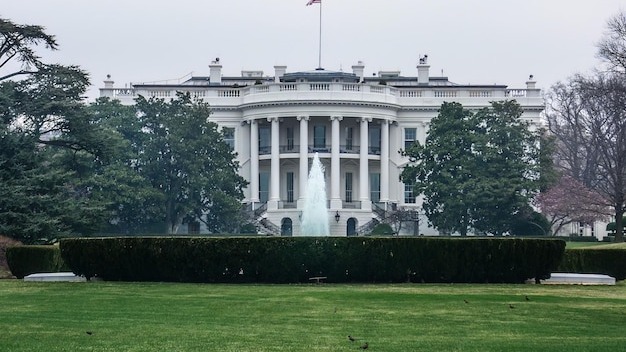
The White House is pulling Wall Street banks and crypto heavyweights into the same room to salvage a sweeping digital asset bill that has stalled in the Senate. At stake is whether Washington can finally move from piecemeal enforcement to a clear rulebook for everything from stablecoins to trading platforms, and whether that rulebook tilts toward traditional finance or the crypto industry.
Instead of leaving lobbyists to battle it out in the halls of Congress, the administration is orchestrating a high‑stakes huddle inside the West Wing, pressing both sides to back a compromise that can actually pass. The effort reflects a broader shift in U.S. crypto policy, away from abstract debates about innovation and toward a concrete fight over who controls deposits, data, and the next generation of payments.
The White House’s high‑stakes crypto reset
The Trump administration has decided that the only way to break the deadlock over digital asset rules is to convene the warring camps under its own roof. Earlier this year, the White House signaled that it would Host Banking and crypto leaders for a Crypto Summit explicitly framed as an effort to Restart Progress on a long‑discussed Crypto Bill. Officials cast the gathering as a way to move beyond regulatory uncertainty that has frustrated both banks and digital asset firms, and to test whether a grand bargain is still possible.
That push culminated in the WHITE HOUSE CRYPTO SUMMIT SET for Feb 2, a meeting where the Trump administration planned to bring together banking executives and crypto founders inside the WHITE HOUSE CRYPTO for a direct negotiation over the bill’s contours. By staging the talks at the White House rather than on Capitol Hill, the administration is signaling that digital asset rules are now a core economic priority, not a niche tech issue that can be left to staffers and agency lawyers.
Inside the Feb 2 summit: banks, crypto firms, and a fragile truce
When the White House Crypto Meeting February convened on Feb 2, the guest list reflected how far crypto has moved into the financial mainstream. According to White House Crypto summaries, the White House brought in both major banks and leading crypto firms to hash out differences over legislation and regulations in the US. The administration’s stated goal was to craft a framework that balances innovation with stability, a phrase that has become shorthand for letting crypto grow without undermining the banking system.
On February 2, 2026, the White House used the summit to push forward a specific proposal, the Digital Asset Market Structure bill, which has become a focal point for industry lobbying. Reporting on the meeting notes that the White House pressed participants to narrow their disagreements on the Digital Asset Market, which is designed to clarify how tokens are classified and which agencies oversee them. The fact that the White House itself is shepherding those talks underscores how fragile the truce is between incumbents and upstarts, and how central this bill has become to the broader regulatory agenda.
Clashing agendas: deposits, stablecoins, and the Clarity Act
Behind the photo‑ops, the core fight is about money flows and market share. Banks have warned that if stablecoins and token platforms are given too much latitude, insured lenders could see an exodus of deposits, which remain their primary source of funding. In one account of the administration’s outreach, Jan reporting described how Banks told the White House that new rules for assets such as stablecoins could tilt the playing field against traditional lenders. Crypto firms, by contrast, argue that programmable money and tokenized deposits can coexist with banks if regulators give them clear guardrails.
Those tensions are also playing out around the Clarity Act, a landmark proposal that Wall Street banks and crypto leaders are set to discuss in Washington. As one detailed preview put it, Wall Street executives and crypto leaders are heading to Washington with the Clarity Act hanging in the balance, and some participants have warned that a few contentious provisions could sink the entire bill. The White House’s decision to fold that debate into its broader summit strategy shows how intertwined the Clarity Act, the Digital Asset Market Structure bill, and stablecoin rules have become.
From stalled Senate bill to “critical moment” for regulation
The immediate catalyst for the White House’s intervention was a crypto market structure bill that has been stuck in the Senate despite years of negotiation. Earlier this year, The White House signaled that it would meet with executives from major crypto firms and traditional banks to discuss the struggling market structure bill and how its risks and rewards will benefit end users, according to a What to know briefing. That outreach framed the talks not just as a lobbying exercise, but as a consumer‑protection debate over who ultimately gains from new trading and custody rules.
Inside the administration, officials have described this as a Critical Moment for Crypto Regulation, language that surfaced in a Jan alert explaining that the White House planned to Meet Banking and Crypto Executives Over Stalled Senate Crypto Legislation. That account stressed that the Critical Moment for comes as policymakers try to keep up with a rapidly evolving financial sector. The White House’s willingness to lean into that framing suggests it sees political risk in letting the bill die quietly, especially after several high‑profile crypto failures exposed gaps that regulators had warned about for years.
Emergency talks, market jitters, and the road ahead
As the summit approached, the White House escalated its language, calling what some described as emergency talks with banks and crypto companies. One Jan account noted that the White House set to meet with banks and crypto companies over a legislation clash involving assets such as stablecoins, highlighting how far apart the sides remained on key issues when the outreach began. That same reporting emphasized that The White House was convening crypto and banking industry reps specifically over the market structure bill, underscoring how central that legislation has become to the entire regulatory project.
Markets have been watching the process closely. On Feb 1, the White House sets Monday meeting with banking and crypto leaders, a move that one briefing said injected fresh uncertainty and potential market impact as traders tried to game out possible outcomes. That same note observed that market participants often view direct engagement between the White House and industry as a sign that major policy shifts are on the table, which is why every leak from these meetings is being closely watched on trading desks.
More From TheDailyOverview
*This article was researched with the help of AI, with human editors creating the final content.

Grant Mercer covers market dynamics, business trends, and the economic forces driving growth across industries. His analysis connects macro movements with real-world implications for investors, entrepreneurs, and professionals. Through his work at The Daily Overview, Grant helps readers understand how markets function and where opportunities may emerge.

