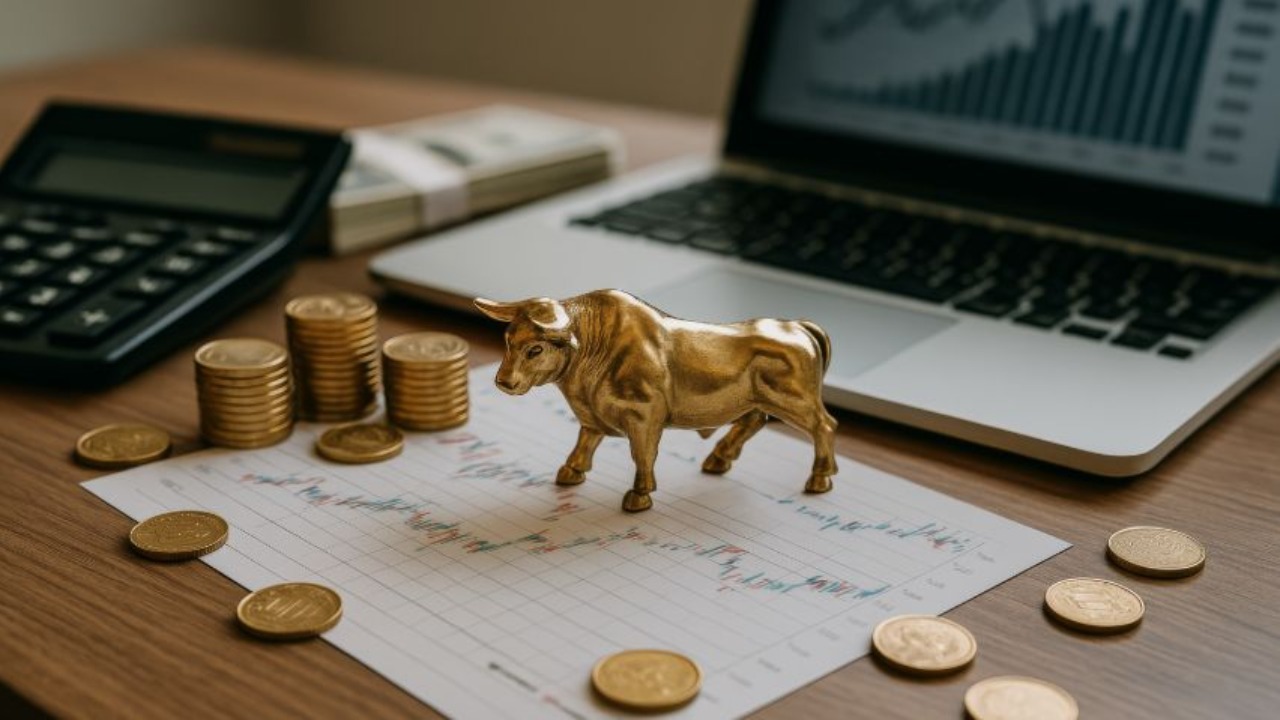
Gold prices have soared to unprecedented levels, reaching record highs on April 1, 2025. This surge is largely attributed to uncertainties surrounding proposed tariffs linked to former President Trump, positioning gold as a crucial hedge for American investors amid potential trade disruptions. By September 16, 2025, Bank of America issued forecasts warning of a possible peak and bubble in gold and other commodities, raising concerns about U.S. market stability. These developments have unfolded against the backdrop of a U.S. government shutdown, highlighting broader economic volatility that directly impacts American households and retirement savings.
Economic Uncertainty Driving Gold Demand

Gold’s role as a safe-haven asset becomes particularly pronounced during periods of fiscal instability. The recent U.S. government shutdown has pushed gold prices to record levels, significantly impacting American consumers’ confidence in traditional investments. As reported by PBS, this surge in gold prices reflects a broader anxiety over domestic policy gridlock and economic uncertainty. Investors are increasingly turning to gold as a reliable store of value, seeking protection against inflation and recession risks.
The surge in gold buying by U.S. investors is a response to these economic pressures. According to Fast Company, record highs in gold prices are indicative of the broader anxieties over domestic policy gridlock. This trend underscores a weakening trust in the dollar, prompting Americans to allocate more of their portfolios to gold as a hedge against ongoing economic pressures.
These price peaks signal a shift in investment strategies, as Americans increasingly view gold as a necessary component of their financial planning. The implications for stakeholders are significant, as the rising demand for gold reflects a broader concern about the stability of traditional financial systems and the potential for inflationary pressures to erode savings.
Political Factors and Trade Policies
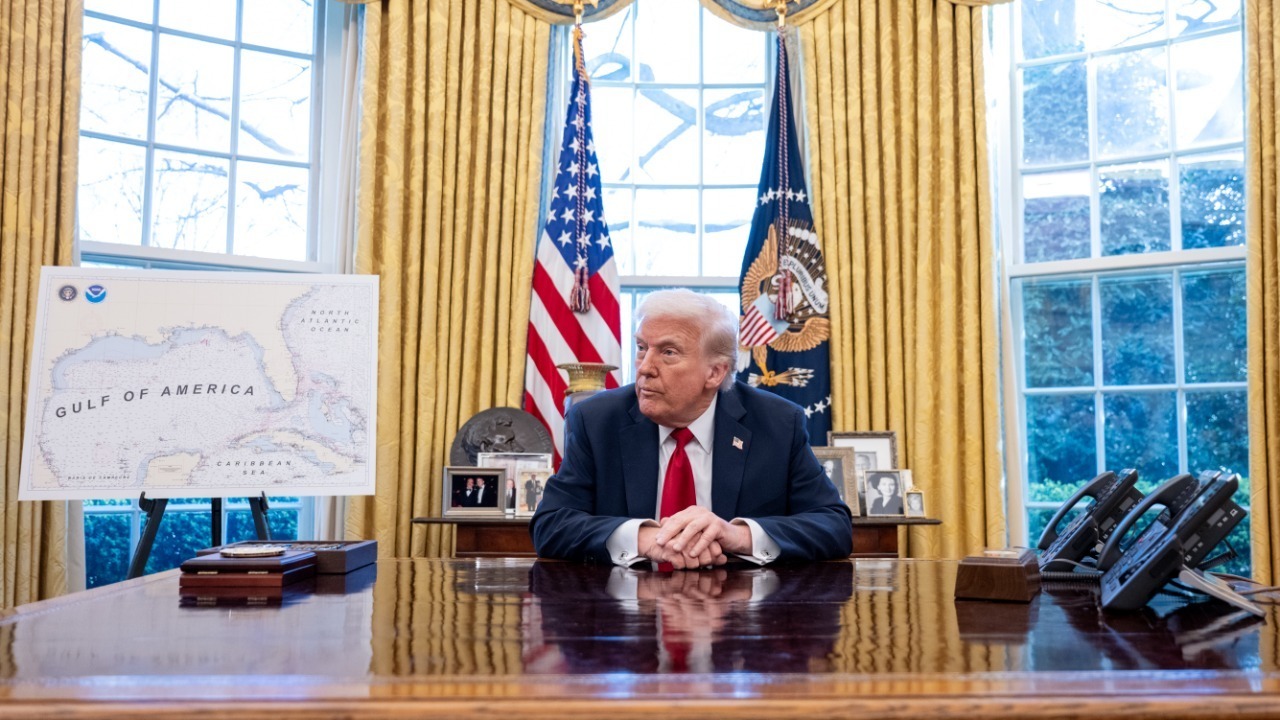
The influence of tariff proposals associated with former President Trump has been a significant driver of gold prices, which reached record highs on April 1, 2025. As NPR reports, investors anticipated that these tariffs could disrupt U.S. exports and supply chains, leading to increased demand for gold as a hedge against potential trade wars. This political rhetoric and the resulting policy shifts have contributed to gold’s appeal for American investors.
The April 1, 2025, surge in gold prices highlights fears of escalated global tensions affecting domestic jobs and costs. As political events unfold, the interplay between these developments and commodity markets becomes evident. Gold highs serve as a barometer for American households bracing for higher prices on imported goods, reflecting the broader economic implications of political decisions.
For American households, these developments underscore the importance of understanding the impact of political factors on commodity markets. As gold prices continue to rise, the need for strategic financial planning becomes increasingly apparent, with gold serving as a critical component of a diversified investment portfolio.
Market Forecasts and Bubble Risks
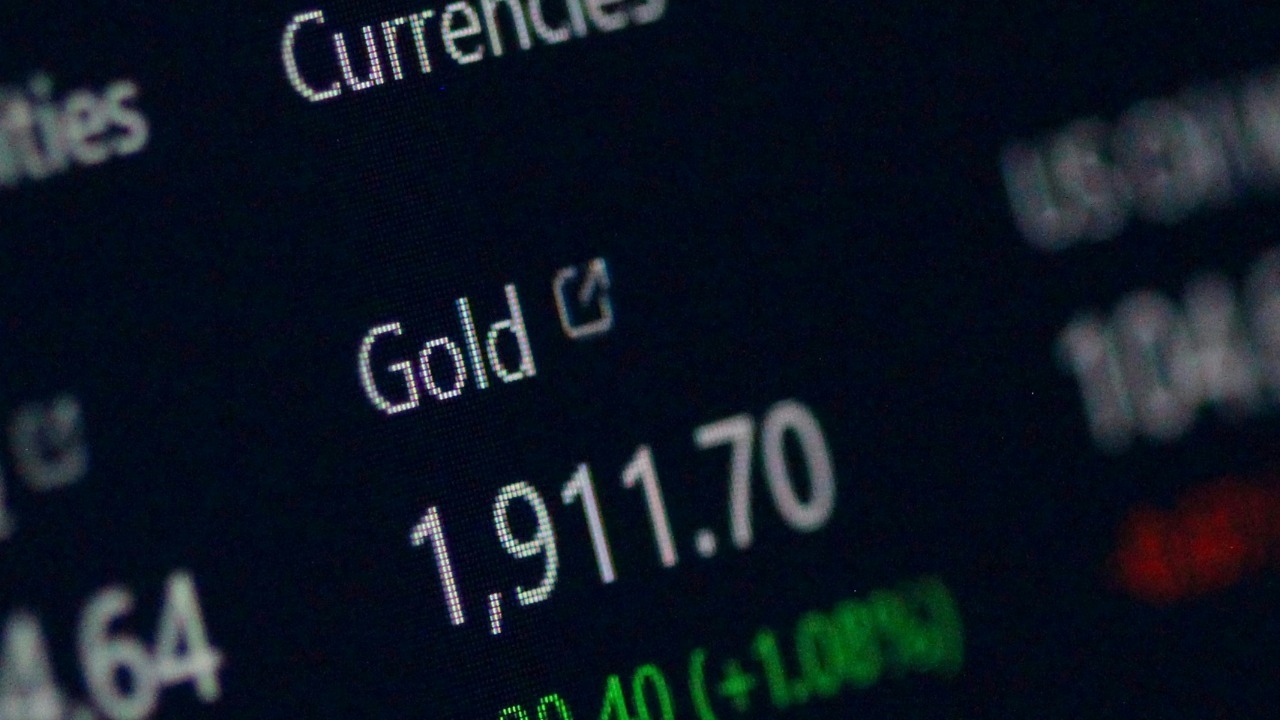
Bank of America’s forecast on September 16, 2025, predicts a potential peak and bubble in commodities, including gold. This analysis, reported by Fortune, advises U.S. investors on the risks of overvaluation in their portfolios. The implications for American retirement funds are significant, as gold’s record trajectory could lead to volatile returns and the need for diversified holdings.
The September 16, 2025, analysis by Bank of America underscores the importance of cautious investment strategies. As bubble warnings prompt shifts in savings strategies, everyday Americans are encouraged to reevaluate their financial planning. The potential for a bubble in gold prices highlights the need for diversification and a balanced approach to investment, particularly in uncertain economic times.
These forecasts emphasize gold’s significance for American investors, as the potential for a bubble raises questions about the sustainability of current price levels. As investors navigate these challenges, the importance of informed decision-making and strategic financial planning becomes increasingly clear.
Implications for American Households
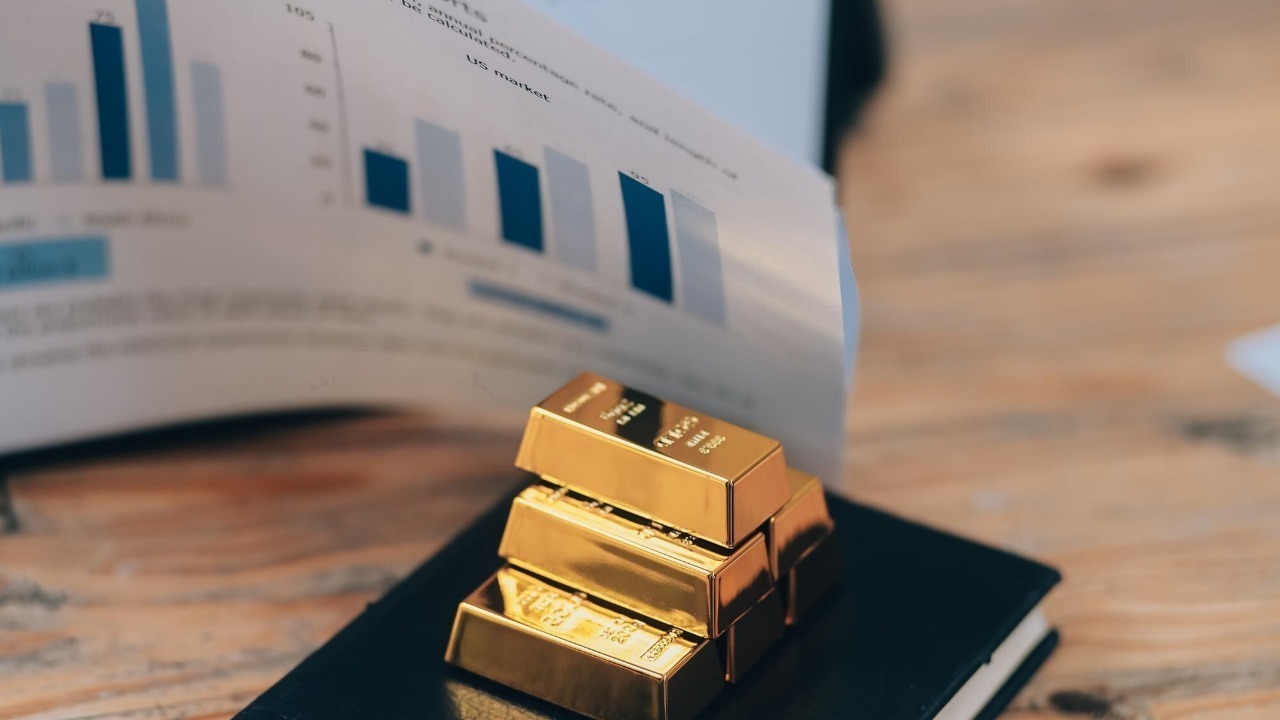
Record gold prices have a direct impact on U.S. jewelry and luxury spending. As reported by PBS, the highs tied to the government shutdown are forcing Americans to rethink their discretionary budgets. This shift in spending habits reflects the broader economic pressures facing American households.
The ripple effects of gold’s all-time high extend to small businesses and consumers, elevating costs for items like electronics and medical devices reliant on precious metals. According to Fast Company, these increased costs are a direct result of the rising demand for gold, highlighting the broader economic implications for American consumers.
For American households, the sustained highs in gold prices encourage a reevaluation of financial planning strategies. As reported by Money Talks News, more households are viewing gold as essential for hedging against policy-induced inflation. This trend underscores the importance of strategic financial planning in navigating the complexities of the current economic landscape.

Grant Mercer covers market dynamics, business trends, and the economic forces driving growth across industries. His analysis connects macro movements with real-world implications for investors, entrepreneurs, and professionals. Through his work at The Daily Overview, Grant helps readers understand how markets function and where opportunities may emerge.

