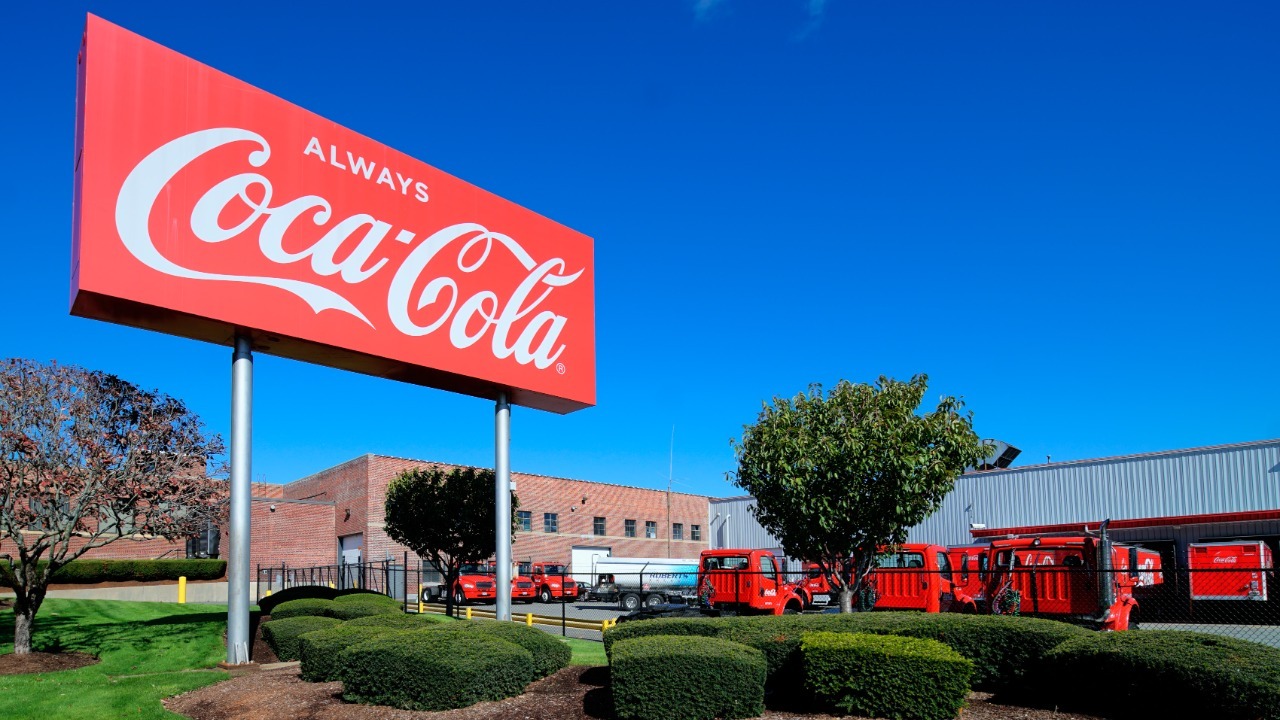
Coca-Cola has spent more than a century turning a simple formula into one of the most durable business engines in modern capitalism. The company’s model still works because it is less about the drink itself and more about a system that converts brand, distribution, and disciplined capital allocation into steady cash flow. I see that system as a template for how a consumer brand can keep compounding even when its core product barely changes.
Owning the brand, renting the heavy assets
Coca-Cola’s most powerful decision was to keep control of the brand and concentrate production of high-margin concentrate, while letting bottling partners handle the capital-intensive work of plants, trucks, and local logistics. That split lets the company earn attractive margins on syrup and trademarks without tying up its own balance sheet in steel and real estate. The model has been refined over decades, but the core idea is the same: Coca-Cola sells an idea and a recipe, while partners invest in the factories and fleets that turn it into physical bottles and cans.
Over time, the company has repeatedly reorganized its bottling network to sharpen that focus. It has bought back large bottlers when it needed more control, then refranchised them once operations were streamlined, returning to a lighter, more asset-efficient structure. That pattern shows up in the way Coca-Cola has reshaped its North American bottling system and in its moves in markets such as Europe and Latin America, where it has pushed more responsibility to regional partners while keeping ownership of the core trademarks and concentrate business here and here.
Global distribution as a competitive moat
The real magic of the model is how that partnership system turns into a distribution moat that is extremely hard for rivals to copy. Coca-Cola’s network reaches millions of retail outlets, from hypermarkets to tiny kiosks, with a level of reliability that makes the red cooler or branded fountain a default choice for shop owners. Once a bottler has invested in routes, cold equipment, and relationships with retailers, the economics favor filling those channels with Coca-Cola products rather than switching to a newcomer with less volume and weaker marketing support.
That reach is not just about trucks on the road, it is about local adaptation inside a global framework. Bottling partners tailor package sizes, price points, and channel strategies to local conditions while still benefiting from centralized marketing and product development. The result is a system that can push a new flavor or package into far-flung markets quickly, yet still feel tuned to local tastes and incomes. Coca-Cola’s own description of its “system” highlights how brand ownership at the center and independent bottlers at the edge combine to create a distribution footprint that spans more than 200 countries and territories worldwide.
Pricing power and disciplined brand management
What keeps that distribution engine profitable is pricing power built on brand equity. Coca-Cola has spent generations teaching consumers that its flagship drink is not a generic cola but a specific experience, which gives it room to raise prices without losing all of its volume. In practice, that pricing power often shows up in smaller package sizes at higher per-ounce prices, premium positioning in cold channels, and careful management of promotional spending so the brand does not get trapped in a race to the bottom.
The company’s financial disclosures over the years have consistently highlighted how mix and price contribute to revenue growth even when volumes are flat or only modestly rising. That pattern reflects a deliberate strategy to lean on brand strength rather than chase every liter of volume at any cost. Management has also been willing to prune underperforming SKUs and focus marketing on a tighter set of global brands, a shift that has been documented in its own strategic updates and investor communications on brands and on strategy.
Adapting the portfolio without losing the core
For a business built on sugar and carbonation, survival over a century has required constant adjustment to changing tastes and health concerns. Coca-Cola has responded by broadening its portfolio into low- and no-sugar variants, bottled water, sports drinks, teas, and juices, while still treating the original Coca-Cola as the emotional anchor of the brand. That balance lets the company participate in growth segments without abandoning the product that built its global recognition.
The company’s own brand roster shows how far that diversification has gone, from Coca-Cola Zero Sugar and Diet Coke to lines like Minute Maid, Powerade, and various regional beverages. At the same time, it has been willing to exit or de-emphasize categories that do not meet its scale or profitability thresholds, a pattern visible in its periodic reviews of the brand portfolio and decisions to discontinue or sell smaller lines. Those moves are documented in corporate updates that outline how management has streamlined the number of brands it actively supports while concentrating investment on those with the greatest global potential across categories.
Marketing, memory, and the flywheel effect
None of this would work without marketing that turns a commodity drink into a cultural reference point. Coca-Cola has spent decades embedding itself in holidays, sports, and everyday rituals, so the logo and the contour bottle trigger a sense of familiarity that is hard for competitors to replicate. That emotional connection makes the business model more resilient, because consumers are not just buying a beverage, they are buying a story they already know.
The company’s historical archives highlight how campaigns around events like the Olympic Games, the FIFA World Cup, and seasonal celebrations have reinforced that identity across generations. Those investments in memory and association feed back into the economics of the system: retailers are more willing to give shelf space and cooler doors to a brand that pulls shoppers, and bottlers are more willing to invest in capacity when they can count on sustained consumer demand. Coca-Cola’s own history materials show how that marketing flywheel has been turning since the early twentieth century and continues to support its business model today through decades.
More From TheDailyOverview
- Dave Ramsey warns to stop 401(k) contributions
- 11 night jobs you can do from home (not exciting but steady)
- Small U.S. cities ready to boom next
- 19 things boomers should never sell no matter what

Alex is the strategic mind behind The Daily Overview, guiding its mission to uncover the forces shaping modern wealth. With a background in market analysis and a track record of building digital-first businesses, he leads the publication with a focus on clarity, depth, and forward-looking insight. Alex oversees editorial direction, growth strategy, and the development of new content verticals that help readers identify opportunity in an ever-evolving financial landscape. His leadership emphasizes disciplined thinking, high standards, and a commitment to making sophisticated financial ideas accessible to a broad audience.

