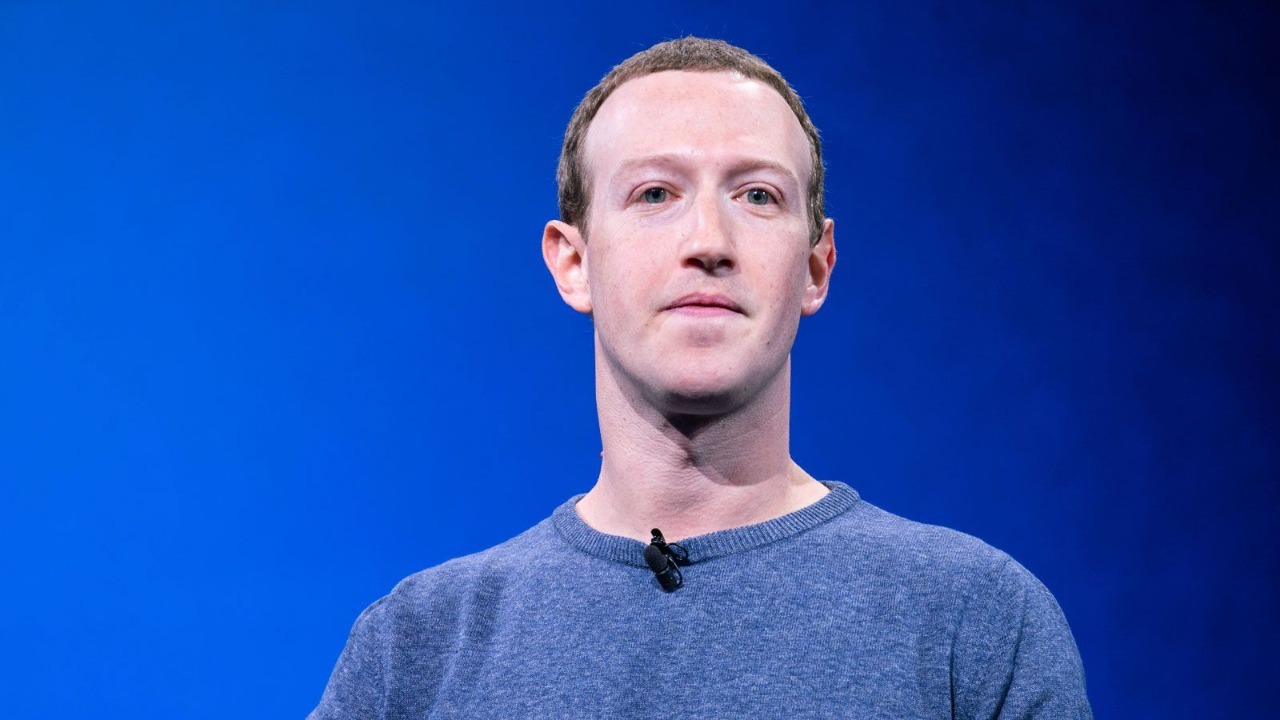
Mark Zuckerberg is once again at the center of a storm, this time over how aggressively he is spending to keep Meta in the artificial intelligence race and what that means for his personal fortune and public image. As details of those investments filter out, critics are casting him as the archetype of a new era of tech tycoons who can move markets, shape regulation, and absorb staggering losses in a single trading session. The backlash is not just about money, it is about whether one executive should wield this much power over the future of AI and the social platforms billions of people use every day.
AI spending that rattled markets
Investors have grown used to Silicon Valley chiefs talking up long term bets, but the scale of Mark Zuckerberg’s latest AI push has jolted even seasoned market watchers. When Meta laid out its artificial intelligence spending plans and signaled a willingness to take on new debt to fund them, the reaction was swift and brutal. Mark Zuckerberg’s fortune saw a significant drop in a single day, wiping away an estimated 29 billion dollars and knocking him down the Bloomberg Billionaires Index, as investors punished what they saw as an aggressive mix of AI spending plans and proposed debt issuance that could weigh on future profits.
The episode underscored how tightly Zuckerberg’s personal wealth is tied to Meta’s strategic choices and how quickly markets can turn on a tech leader perceived as overreaching. Investors were not just reacting to a line item on a balance sheet, they were expressing doubt about whether one man’s conviction about AI justifies such a dramatic reallocation of capital. The sell off, which left him at one of his lowest rankings on the Bloomberg Billionaires Index, became a shorthand for the risks of betting a social media empire on a capital intensive AI arms race.
Regulation as a competitive moat
Behind the market drama sits a quieter but equally consequential shift in how Mark Zuckerberg talks about the rules that should govern AI. For years, tech founders resisted regulation as a drag on innovation, yet now some of the most powerful executives are publicly calling for new guardrails. OpenAI’s Sam Altman and Meta’s Mark Zuckerberg have both emerged as prominent voices urging governments to regulate artificial intelligence, presenting themselves as responsible stewards of a transformative technology even as they race to dominate it.
The catch is that the kind of regulation they are championing could end up entrenching their own dominance. Proposals that require massive compliance teams, access to vast computing resources, or expensive safety audits are far easier for giants like Meta to absorb than for a small lab or startup. Critics warn that when Sam Altman and Mark Zuckerberg push for sweeping AI rules, they are not only addressing genuine risks but also shaping a framework that risks restricting competition from start ups that lack their scale. As one security analyst put it in a discussion of AI risks, the danger is that regulation becomes less about protecting the public and more about locking in the incumbents who helped write the rules.
The “eternal apology tour” meets the AI era
Public frustration with Zuckerberg’s spending spree is landing on a reputation that was already fragile. Over the past decade, he has repeatedly appeared in front of cameras and lawmakers to apologize for privacy failures, misinformation crises, and the social harms linked to Facebook and Instagram. Earlier this year, new look Zuck resurfaced in a fresh video, once again acknowledging past mistakes and promising that Meta had learned from them, a performance that fit neatly into what critics have dubbed Mark Zuckerberg’s eternal apology tour.
The problem for Zuckerberg is that each new controversy makes those apologies sound less like turning points and more like a recurring motif. When he now asks the public and investors to trust his judgment on AI, he does so as a figure who has already burned through a great deal of goodwill. The same persona that appears in carefully produced clips, where Well, Zuck, Mark Zuckerberg, tries to reset the narrative, is also the executive who just triggered a historic one day wealth drop through his AI spending plans. That tension, captured in profiles that dissect his ongoing apology tour, makes it harder for him to sell the idea that this time, with AI, he has finally found the right balance between ambition and responsibility.
Tech tycoons as political and economic actors
The scrutiny of Zuckerberg’s spending is also a proxy for a broader unease about the political and economic clout of tech billionaires. When a single executive can erase tens of billions of dollars in paper wealth with a strategic pivot, it highlights how concentrated power has become in the hands of a few founders. These are not just corporate managers, they are de facto policymakers whose decisions on content moderation, data collection, and AI deployment ripple through elections, labor markets, and national security debates.
In that context, the backlash against Meta’s AI outlays is as much about governance as it is about quarterly earnings. Critics argue that if Mark Zuckerberg and his peers want to spend at a scale that can reshape industries, they should face more democratic oversight, whether through tougher antitrust enforcement, stricter disclosure rules, or new mechanisms that give users and workers a voice in how platforms evolve. Supporters counter that such centralized decision making is precisely what allows companies like Meta to move fast enough to compete with rivals in China and the United States, and that hobbling tech tycoons could leave Western democracies lagging in critical technologies. The fight over Zuckerberg’s AI budget is therefore a stand in for a deeper argument about who should steer the digital future, elected officials or the small circle of founders who currently dominate the sector.
What Zuckerberg’s gamble signals for the next decade
For all the criticism, Zuckerberg’s AI spending spree is also a clear signal of where he believes the next decade of value will be created. Meta’s core social apps are mature, and its earlier pivot to the metaverse has yet to deliver the kind of returns that would justify the hype. By pouring capital into AI infrastructure and research, he is betting that smarter recommendation systems, generative tools for creators, and new forms of digital assistants will keep users locked into Meta’s ecosystem and open up fresh revenue streams. The market’s harsh reaction suggests that investors are no longer willing to take such bets on faith, especially when they come from a leader with a long track record of promising transformative shifts that take years to materialize.
Yet if Zuckerberg is right about the centrality of AI, the current backlash may look, in hindsight, like a temporary wobble on the way to a more profitable and entrenched Meta. The risk is that in chasing that future, he reinforces the very concerns that have dogged him for years: that a handful of tech tycoons can unilaterally decide how much risk society should tolerate in exchange for innovation, and that they will always be able to absorb the financial hit when things go wrong. As spending details continue to surface and regulators weigh how to respond, the debate around Mark Zuckerberg is no longer just about one company’s balance sheet. It is about whether the public is comfortable letting a small group of ultra wealthy founders define the terms of the AI age, even when their own fortunes can swing by tens of billions of dollars in a single day.
More From TheDailyOverview

Grant Mercer covers market dynamics, business trends, and the economic forces driving growth across industries. His analysis connects macro movements with real-world implications for investors, entrepreneurs, and professionals. Through his work at The Daily Overview, Grant helps readers understand how markets function and where opportunities may emerge.

