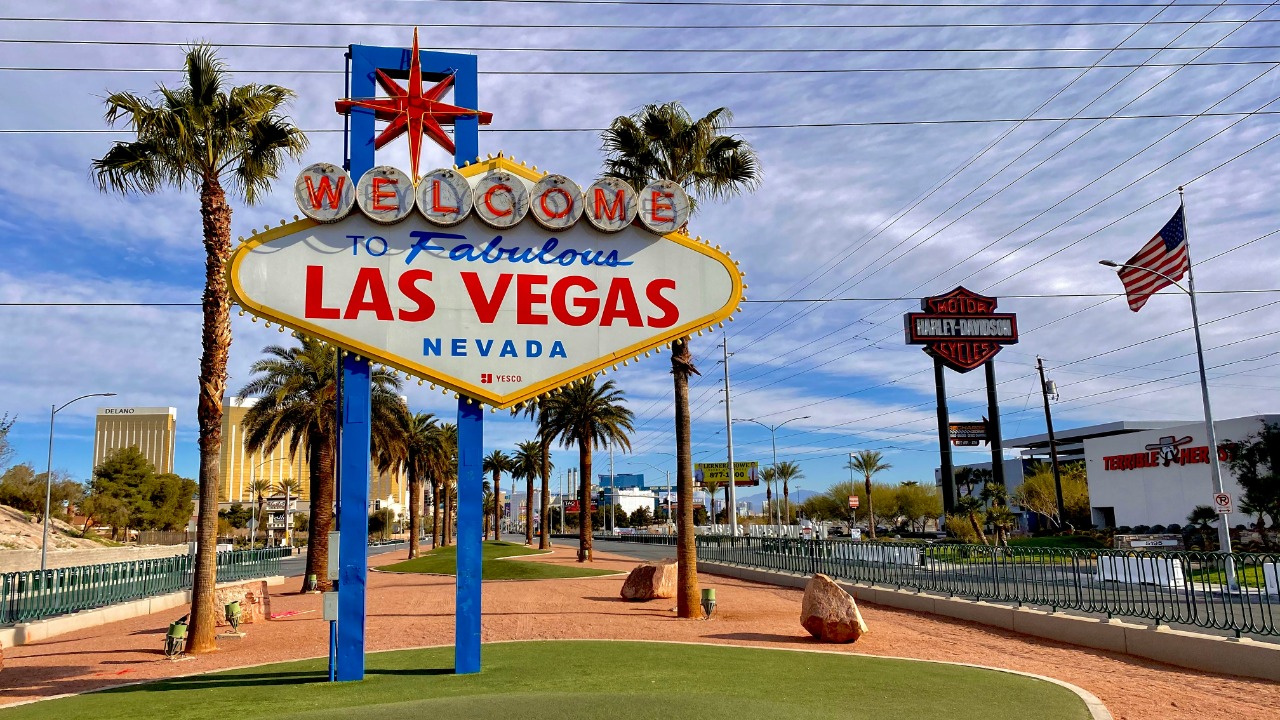
On social media and discount sites, $1-a-night Las Vegas rooms look like the ultimate travel hack, a way to beat a city that has become synonymous with sky-high prices. The reality hits at check-in, when resort fees, parking charges, and timeshare pitches turn that dollar into something far closer to a standard nightly rate. What feels like a bargain often ends up as a case study in how the Strip has shifted from luring visitors with cheap rooms to squeezing them with everything that comes after.
The frustration is not just about money, it is about trust. Visitors arrive expecting a low-cost escape and instead find a maze of fine print, aggressive sales tactics, and basic amenities priced like luxury extras. The gap between the promise and the bill is why so many travelers now describe these ultra-cheap offers as a “scam,” even when the underlying math is technically disclosed somewhere in the booking flow.
How $1 rooms hook travelers in an era of “too expensive” Vegas
Las Vegas built its reputation on the idea that rooms were loss leaders, cheap places to crash after a night at the tables, but that equation has flipped as casinos chase revenue from every corner of the property. One detailed look at the city’s slowdown in visitors points to a simple explanation, with One often repeated answer being that Vegas has just become too expensive, even as casinos are already making billions upon billions and have hiked food and drinks by 200%. In that environment, a $1 headline rate is not generosity, it is bait, a way to stand out in a market where travelers are increasingly wary of paying premium prices for what used to be basic perks.
Visitors are noticing the shift. In one discussion about a recent trip, a commenter described how Cosmo used to give awesome comps, no more under MGM, capturing how loyalty perks have tightened even as fees have multiplied. Another thread about a punishing hotel bill framed it more bluntly, with one traveler saying Hotels are a very weird rollercoaster from bottom-of-the-barrel basics to luxury pricing, often within the same property. Against that backdrop, ultra-low nightly rates function as a psychological anchor, making the eventual total feel less outrageous even when it ends up close to what a straightforward booking would have cost.
The fine print: resort fees, parking and “gotcha” charges
The most obvious way a $1 room morphs into a far pricier stay is through mandatory nightly surcharges that are not included in the headline price. Resort fees, once limited to a handful of properties, have become so common that even a mainstream booking platform now warns customers to Check resort fees before booking, as 68% of downtown hotels charge an extra $25-$35 USD nightly, even when they simply advertise “resort-style” amenities. Las Vegas properties have embraced the same playbook, folding Wi-Fi, pool access, and local calls into a single non-optional fee that can dwarf the base rate and turn a one-dollar room into a forty- or fifty-dollar night before taxes.
Parking and on-site basics add another layer of sticker shock. In one widely shared account, a visitor described how a simple stay felt “overly punishing” once every add-on was tallied, echoing that sense that Hotels have turned into fee machines. Even basic drinks can feel like a trap, with one traveler explaining that they knew bottles of water or soda at the hotel would be around $10, so they went to a big-box store beforehand, a level of planning that came only after doing a bit of research. For visitors lured in by a $1 rate, those kinds of everyday costs can feel like the real bill that was never clearly advertised.
Timeshare “scam” vibes behind the cheapest offers
Some of the most aggressively priced Vegas stays are not traditional hotel deals at all, they are timeshare marketing funnels. Companies that specialize in vacation ownership pitch heavily discounted packages in exchange for a few hours of a traveler’s time, a trade-off that can look attractive when room rates elsewhere are climbing. One major player in this space, Bluegreen, promotes resort-style stays that often come bundled with sales presentations, and online discussions about a Bluegreen vacation scam capture how quickly a cheap getaway can feel like a hard-sell trap when the pitch runs long or the terms are confusing.
Travelers report similar dynamics with other brands. In a thread titled “Is Hilton Grand Vacations a big scam?”, one owner tried to reset expectations by stressing that The Offer Is Real, but only if guests understand they are trading time and attention for the discount and are prepared to say no repeatedly. Another traveler described driving 40 m to a property called Wyndham Legacy, then enduring a long, exhausting gauntlet of salespeople and leaving convinced they had wasted their day on such a deceptive scheme. When a $1 room is tied to that kind of experience, it is easy to see why guests walk away calling the whole thing a scam, even if the nightly rate technically matched the ad.
Strip icons, budget casinos and the illusion of “cheap Vegas”
Even without timeshares, the city’s own branding can blur the line between value and illusion. Classic family-friendly properties like Circus Circus still market themselves as affordable gateways to the Strip, with carnival rides and kid-focused attractions that promise a throwback version of Vegas. Yet once families arrive, they encounter the same ecosystem of resort fees, pricey food courts, and upsells that define the rest of Las Vegas, a reminder that a lower base rate does not necessarily translate into a budget trip.
At the other end of the spectrum, social media is full of clips that showcase the aspirational side of the city, like a video inviting viewers to experience stunning views at the Link Hotel in Las Vegas, complete with sweeping shots of the skyline. Those images help sustain the idea that there is still a glamorous bargain to be had if you just find the right promo code or midweek date. Yet when visitors compare that fantasy with their actual bills, the disconnect fuels resentment, especially among international tourists who, as one local discussion put it, have gone from a faucet to a drip because they Think it is scary to go to Las Vegas because of all the hidden fees that appear only when you check in and suddenly have to pay extra charges.
What savvy visitors do differently
For travelers who still want the neon and noise without the sense of being ambushed, the difference often comes down to preparation. Seasoned visitors talk about reading every line of the booking breakdown, cross-checking resort fees, and even calling properties directly to confirm what is included before they commit to a $1 teaser rate. Some rely on mapping tools and independent reviews, using resources like a place viewer to understand exactly where a hotel sits relative to the Strip and what kind of neighborhood they are trading into for that low price. Others simply accept that the era of truly cheap Vegas is over and focus on mid-tier properties with transparent pricing instead of chasing the absolute lowest headline rate.
There is also a growing culture of peer-to-peer coaching among Vegas regulars. In one thread, a user named Jul explained how they avoided $10 bottles of water by stocking up at Target before heading to the hotel, a small but telling example of how doing a bit of research can blunt the impact of inflated on-site prices. Others share scripts for getting out of timeshare pitches early, or recommend skipping bundled offers entirely in favor of straightforward bookings at known quantities, whether that is a Strip stalwart or a quieter off-Strip resort. The common thread is a refusal to be dazzled by a $1 promise without understanding the full cost, a mindset that may be the only real defense in a city that has become expert at turning bargains into revenue streams.
More From TheDailyOverview

Elias Broderick specializes in residential and commercial real estate, with a focus on market cycles, property fundamentals, and investment strategy. His writing translates complex housing and development trends into clear insights for both new and experienced investors. At The Daily Overview, Elias explores how real estate fits into long-term wealth planning.

