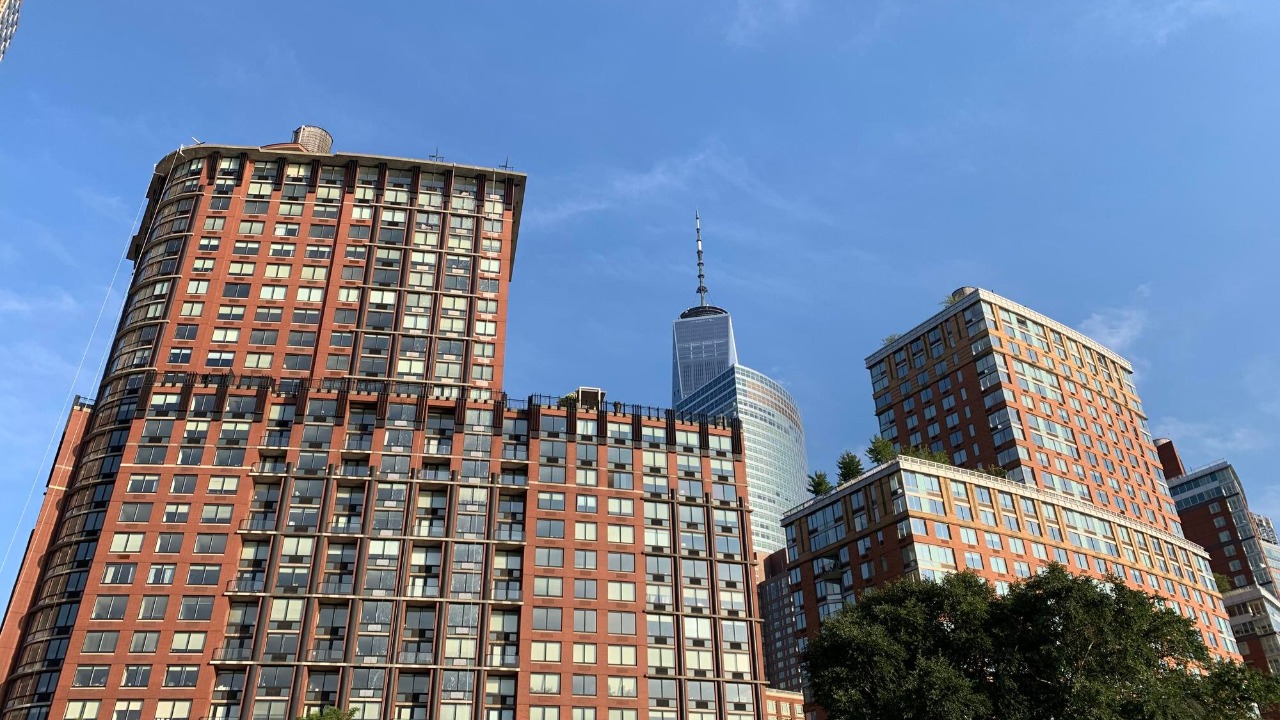
In the past year, the Manhattan condo market has faced a significant downturn, with one in three condo owners selling their properties at a loss. This trend highlights the ongoing challenges within the luxury real estate sector, particularly for those who purchased their condos a decade ago. Recent data analysis reveals that these long-term owners are also experiencing financial setbacks, underscoring the persistent difficulties in achieving profitable returns on Manhattan real estate investments.
Short-Term Sales Declines in Manhattan
The statistic that one in three Manhattan condo owners lost money when they sold in the last year reflects immediate market pressures on recent sellers. This figure is indicative of a broader trend affecting various neighborhoods and property types across the city. The CNBC report highlights how these losses are not confined to a single area but are spread throughout Manhattan, affecting both luxury high-rises and more modest developments. The breadth of this issue suggests that the market’s volatility is impacting a wide range of property owners, challenging the assumption that Manhattan real estate is a guaranteed investment.
Further analysis from the New York Post provides a detailed breakdown of the neighborhoods most affected by these losses. Areas traditionally known for their robust real estate values, such as the Upper East Side and Tribeca, have not been immune to these declines. This widespread impact across different property types and locations underscores the pervasive nature of the current market challenges, suggesting that even well-established areas are experiencing significant financial pressures.
Long-Term Losses for Decade-Old Purchases
For those who purchased Manhattan condos a decade ago, the financial picture is similarly bleak. According to a report by Crain’s New York, most of these long-term owners sold at a loss, a trend that reflects broader economic shifts over the past ten years. Factors such as fluctuating interest rates, changes in tax laws, and evolving buyer preferences have all contributed to diminished returns on these investments. This decade-long trend highlights the challenges of navigating a complex and often unpredictable real estate market.
The data compiled by Brown Harris Stevens, a prominent real estate firm, provides insight into the methodologies used to track these sales from approximately 2015 onward. By analyzing sales data over this period, the firm has identified key patterns and trends that have influenced the market. Their findings suggest that the combination of economic uncertainty and shifting market dynamics has made it increasingly difficult for condo owners to achieve profitable sales, even after holding their properties for an extended period.
Implications of Persistent Market Weakness
The combined trends of short-term and decade-long losses signal broader vulnerabilities in Manhattan’s condo sector. The fact that one in three condos sold for a loss last year, coupled with the majority of decade-old purchases also resulting in losses, suggests that the market is facing significant structural challenges. These figures raise concerns about the risks for current owners, who may find themselves in a precarious financial position if market conditions do not improve. The ongoing weakness in the condo market could lead to further declines in property values, impacting both sellers and potential buyers.
Reviewing the data from the New York Post, it is clear that the market’s trajectory remains uncertain. The potential for continued losses could affect pricing strategies and buyer confidence in the coming months. As the market grapples with these challenges, stakeholders will need to carefully consider their investment strategies and remain vigilant in monitoring market trends. The current environment underscores the importance of adaptability and strategic planning in navigating the complexities of Manhattan’s real estate landscape.
More From TheDailyOverview
- Dave Ramsey warns to stop 401(k) contributions
- 11 night jobs you can do from home (not exciting but steady)
- Small U.S. cities ready to boom next
- 19 things boomers should never sell no matter what

Elias Broderick specializes in residential and commercial real estate, with a focus on market cycles, property fundamentals, and investment strategy. His writing translates complex housing and development trends into clear insights for both new and experienced investors. At The Daily Overview, Elias explores how real estate fits into long-term wealth planning.

