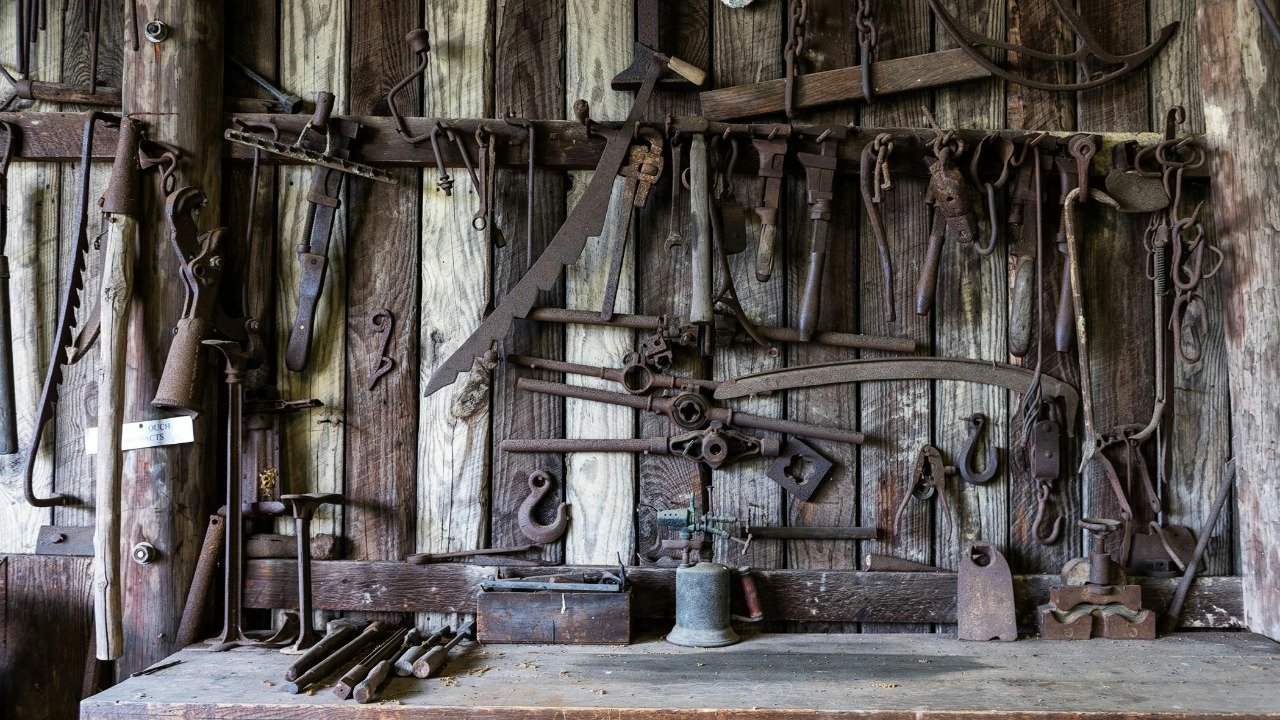
Collectors of antique tools often find themselves drawn to items that tell a story of craftsmanship and history. These tools not only serve as a testament to past eras but also hold significant monetary value. Whether you’re an experienced collector or just starting, understanding which tools are highly sought after can be both exciting and rewarding.
Vintage Hand Planes
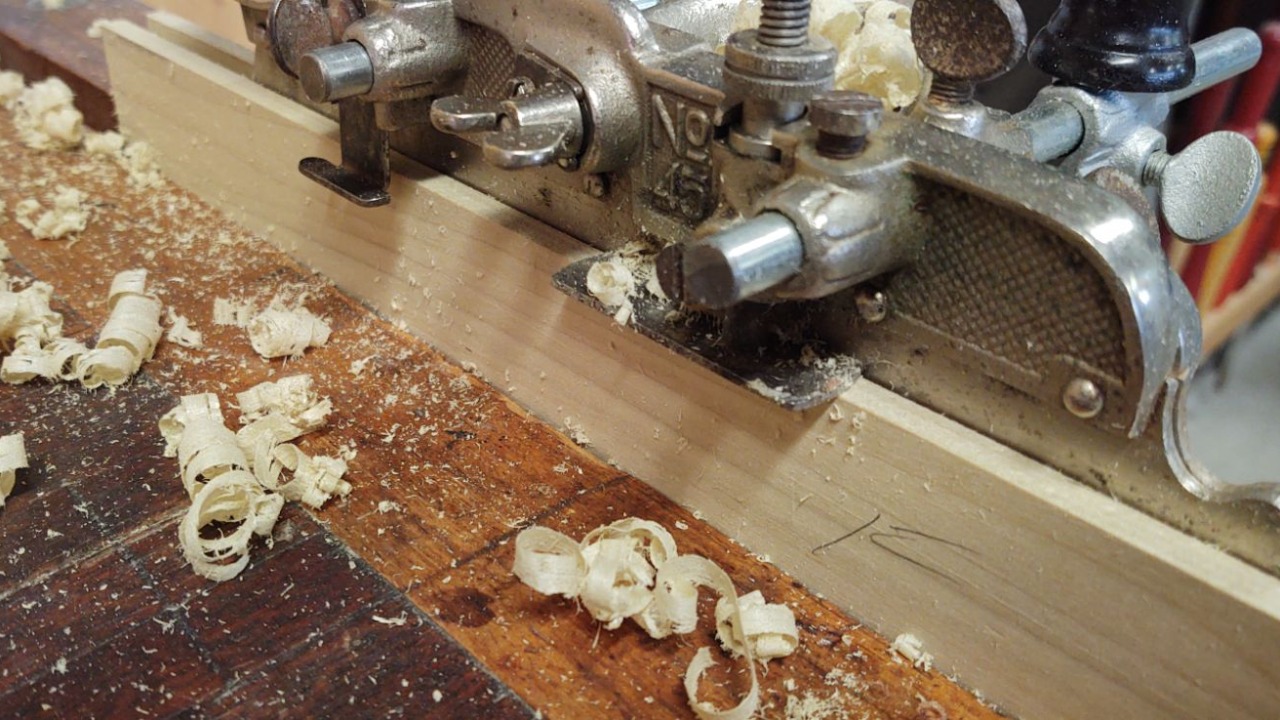
Vintage hand planes are a favorite among collectors due to their intricate designs and historical significance. Brands like Stanley and Norris are particularly popular, with some models fetching thousands of dollars. These tools were essential for woodworkers in the past, providing a smooth finish to wood surfaces. Collectors prize them for their craftsmanship and the unique patina that develops over time.
The appeal of hand planes lies in their ability to connect us with the past. Each plane has its own story, often marked by the initials of previous owners. To explore more about the value of these tools, visit this detailed study on vintage hand tools.
Antique Blacksmith Anvils
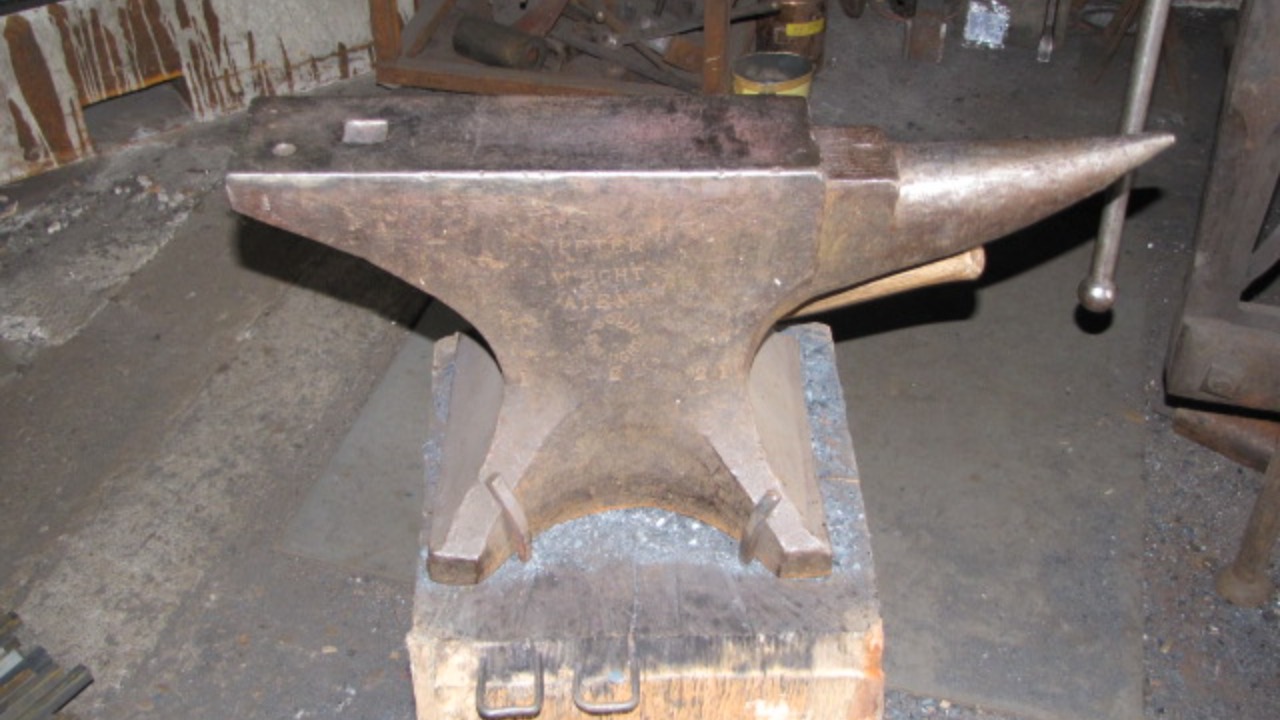
Blacksmith anvils have been pivotal in shaping metalworks for centuries. These robust tools are now highly sought after by collectors who appreciate their historical value and unique markings. Anvils from renowned manufacturers like Peter Wright and Wilkinson can command high prices at auctions.
The weight and condition of an anvil significantly affect its value. Collectors often look for anvils with clear maker’s marks and minimal wear. For those interested in learning more about these fascinating pieces, this book offers an in-depth look into their history and value.
Classic Woodworking Saws
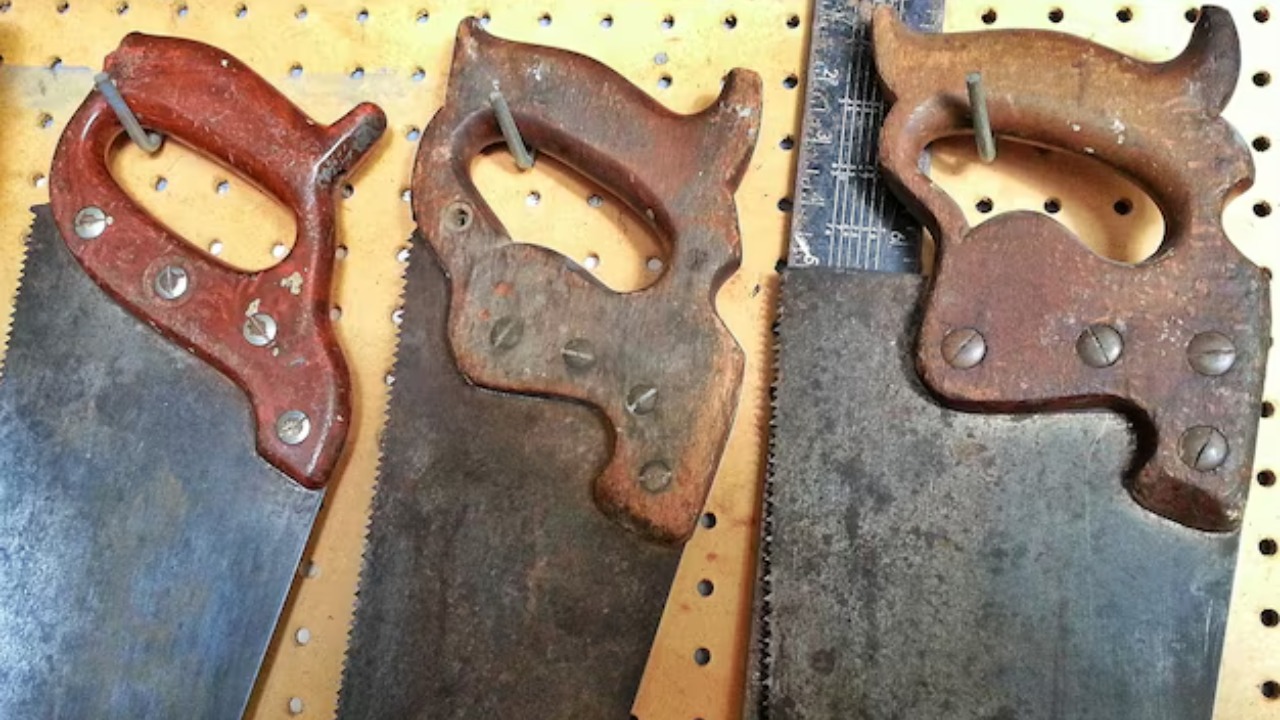
Classic woodworking saws, especially those from the late 19th and early 20th centuries, are prized for their quality and craftsmanship. Saws from manufacturers like Disston are particularly esteemed. Collectors look for saws with unique etchings and well-preserved handles.
The value of these saws often depends on their condition and rarity. Some saws are even considered works of art due to their detailed engravings. More information on valuable vintage tools can be found on this blog.
Historical Surveying Instruments
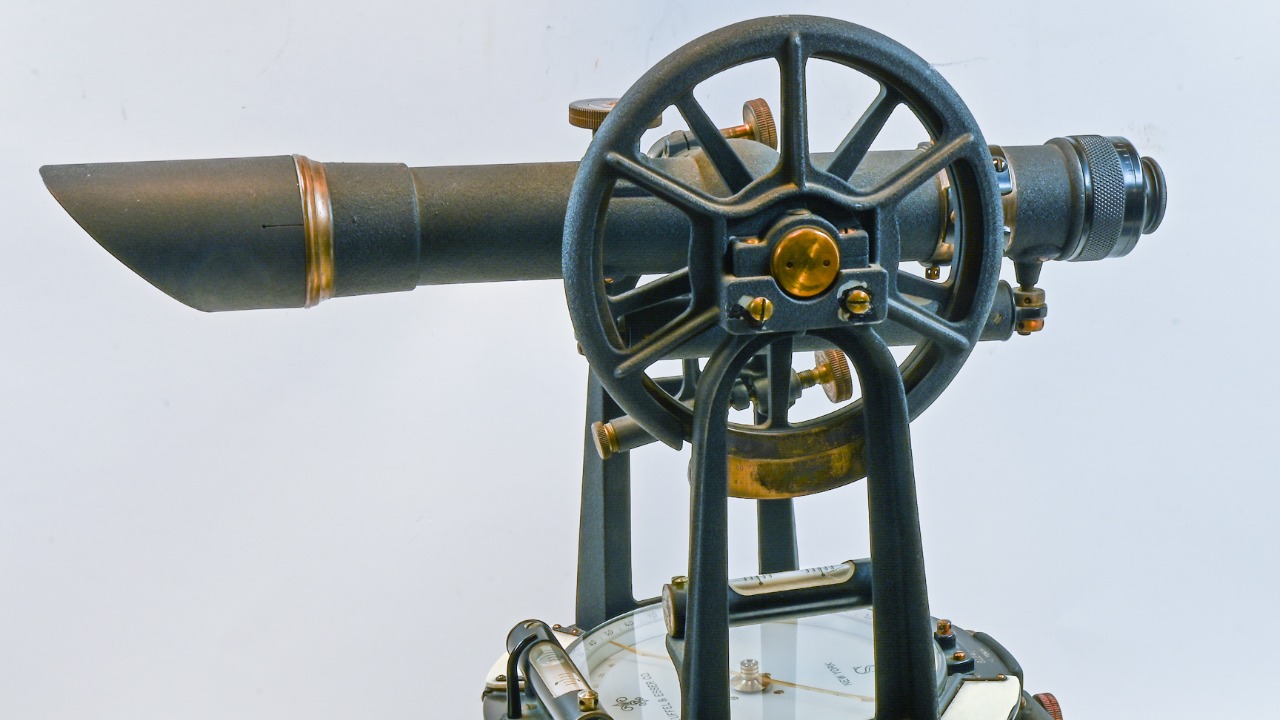
Surveying instruments from bygone eras are fascinating for their precision and design. Tools like transits and levels from the 18th and 19th centuries are especially popular. Brands such as Keuffel & Esser are known for producing high-quality instruments that are now collectible.
These tools were essential for mapping and construction in the past. Collectors value them for their engineering and the insight they provide into historical surveying techniques. Many of these instruments are displayed in museums, highlighting their importance in history.
Retro Carpenter’s Braces and Bits
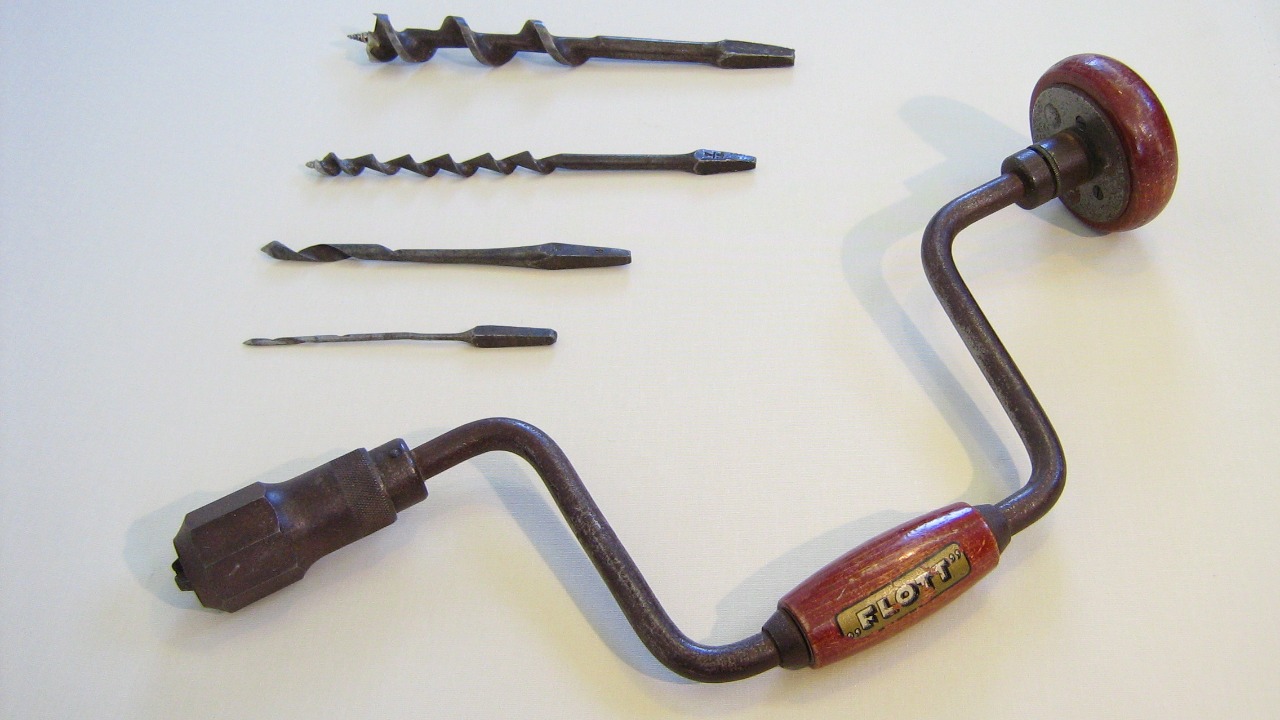
Carpenter’s braces and bits are a testament to the ingenuity of early toolmakers. These hand-powered drills were once indispensable for woodworkers. Today, collectors prize them for their intricate mechanical design and historical significance.
Factors such as the manufacturer’s mark, condition, and rarity of specific bit shapes can influence their value. Collectors often seek out complete sets, which are rarer and more valuable. These tools provide a tactile connection to past woodworking practices.
Rare Hand-Forged Hammers
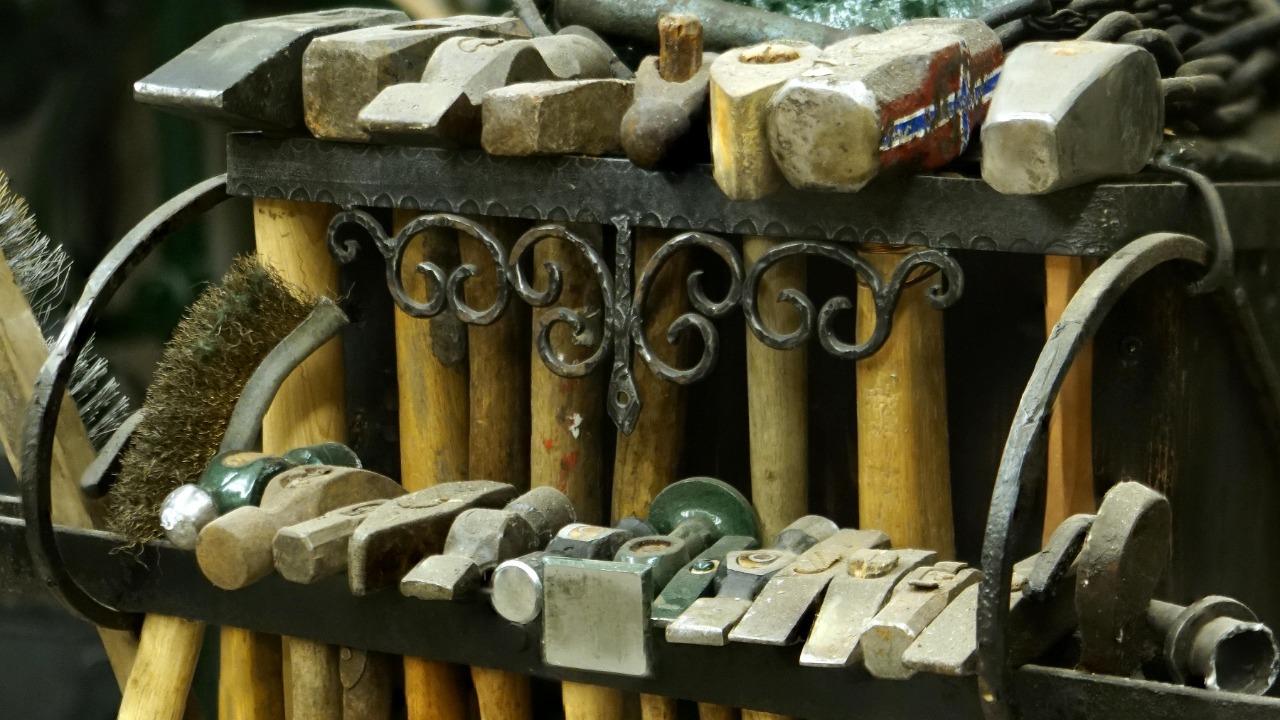
Hand-forged hammers are a collector’s delight due to their unique designs and the craftsmanship involved in their creation. Early blacksmiths crafted these tools with care, often personalizing them with distinctive marks.
The value of a hammer depends on its age, condition, and any identifiable maker’s marks. Some rare examples can fetch significant sums at auctions. Collectors appreciate these tools not only for their utility but also as artifacts of human labor and skill.
Old-Timey Levels and Plumb Bobs
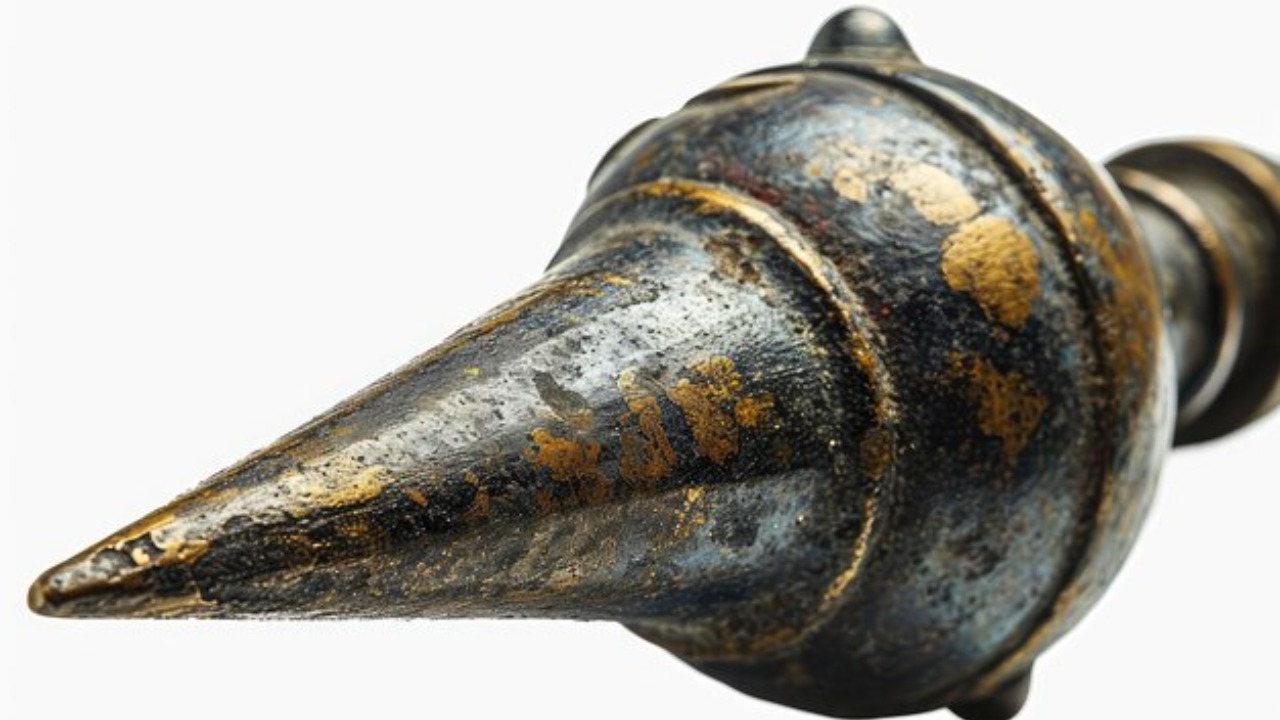
Levels and plumb bobs are essential tools that have been used for centuries to ensure precision in construction and carpentry. Antique examples, particularly those made of brass or with intricate detailing, are highly sought after by collectors.
These tools are valued for their accuracy and the craftsmanship involved in their production. Collectors often look for pieces with original cases and clear makers’ marks. They serve as a reminder of the meticulous work of past builders and craftsmen.
Primitive Farming Scythes

Farming scythes are iconic tools that harken back to a time when agriculture was labor-intensive and relied heavily on human effort. These tools are now collected for their rustic charm and historical significance.
Scythes with well-preserved blades and handles are particularly valuable. Collectors appreciate the craftsmanship and the insight these tools provide into the agricultural practices of previous generations. They embody the spirit of rural life from a bygone era.
Traditional Cooper’s Tools
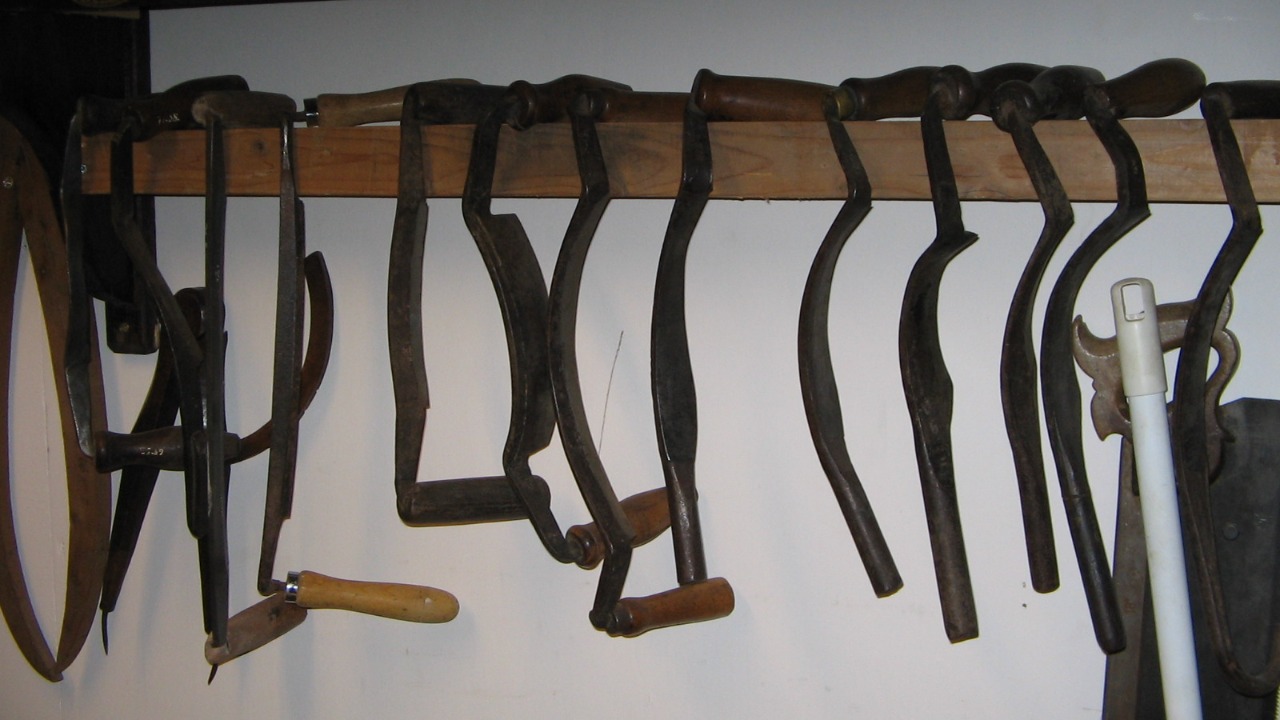
Cooper’s tools, used in the crafting of barrels and casks, are intriguing for their specialized designs. These tools are now collected for their historical value and the unique skills they represent.
Collectors seek tools with distinctive shapes and well-preserved blades. The artistry involved in making these tools is a testament to the specialized nature of coopering. They offer a glimpse into a trade that was once vital to industries such as brewing and shipping.
Collectible Machinist Calipers
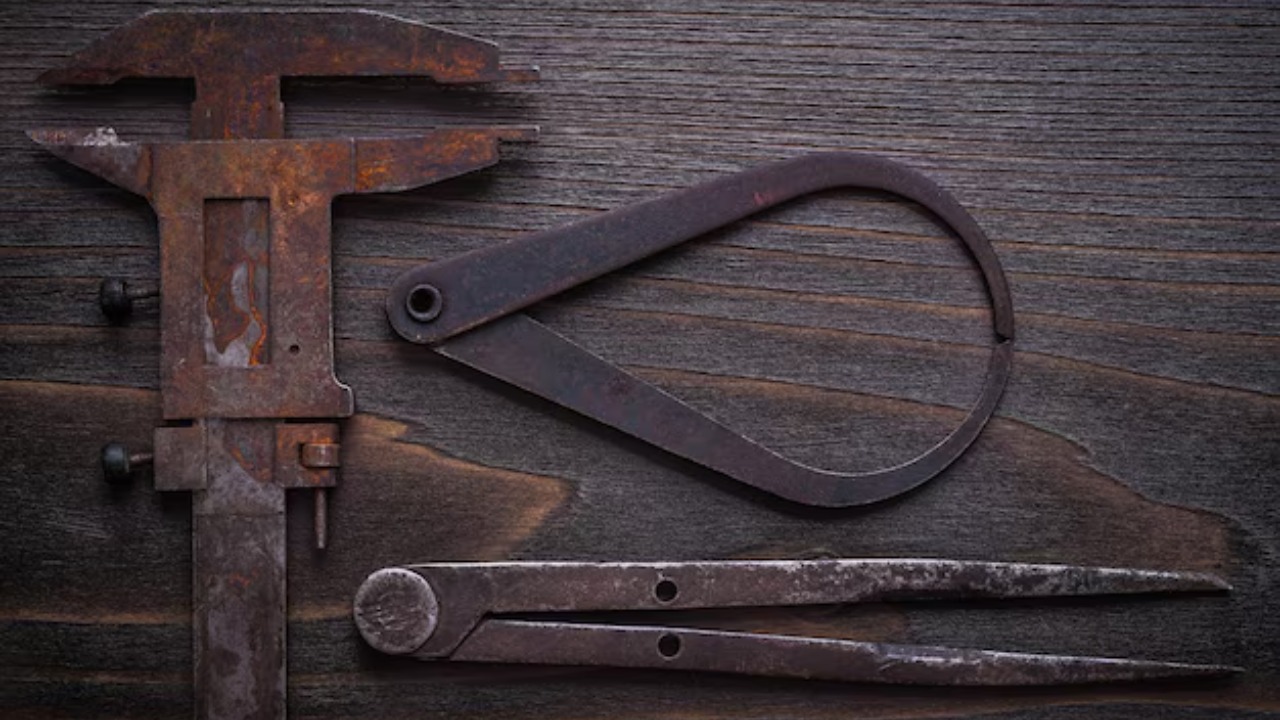
Machinist calipers are precision tools that have been used for decades in metalworking and engineering. Antique calipers, particularly those made of brass or with intricate engravings, are highly collectible.
The value of these tools depends on their condition, maker, and any unique features. Collectors appreciate them for their accuracy and the precision they represent in machine work. Many of these tools are still functional, connecting past engineering practices with the present.

Grant Mercer covers market dynamics, business trends, and the economic forces driving growth across industries. His analysis connects macro movements with real-world implications for investors, entrepreneurs, and professionals. Through his work at The Daily Overview, Grant helps readers understand how markets function and where opportunities may emerge.

