Long-term car ownership costs vary wildly depending on the badge on your hood, and the gap between the most expensive brands and the cheapest ones can stretch into the tens of thousands of dollars over a decade. I have spent considerable time examining the data behind these differences, and the pattern is clear: luxury and performance nameplates consistently punish owners with repair bills that dwarf those of mainstream economy brands. What makes this especially relevant for buyers is that the sticker price tells only part of the story, because a car that costs less upfront can still drain your wallet through years of shop visits, specialized parts, and recurring mechanical failures.
Understanding these dynamics matters most for shoppers who plan to keep a vehicle past the first few years. Lease customers and short-term owners often experience only the warranty-protected phase, which can mask how expensive certain brands become once the odometer climbs and coverage lapses. By contrast, a buyer who intends to hold a car for eight to ten years needs to think like an actuary: not just about purchase price and fuel economy, but about the likelihood and cost of major repairs in the back half of ownership. The data underpinning 10-year cost projections gives those long-horizon buyers a clearer view of what they are really signing up for.
Where the 10-Year Cost Data Comes From
The most widely cited ranking of brand-level maintenance and repair expenses draws on member-reported out-of-pocket spending collected through surveys. This analysis tracks cumulative costs across a full decade of ownership, splitting the data into years one through five and years six through ten so buyers can see how expenses accelerate as vehicles age. The methodology excludes costs covered by warranties or recalls, focusing strictly on what owners actually pay from their own pockets. That distinction matters because it isolates the financial burden that falls directly on consumers after the dealer handshake.
Separately, actual repair shop records offer a different but complementary lens. Aggregated data on repair cost, frequency, and severity by vehicle segment helps confirm whether the survey-based rankings hold up against real-world invoices. When both approaches point in the same direction, as they do for the brands discussed below, the signal is hard to dismiss. The consistency across these independent data streams gives buyers a reliable basis for comparing brands before signing a lease or loan, even though no single dataset can capture every nuance of how vehicles age in different climates, driving conditions, or maintenance regimes.
The 10 Priciest Brands Over a Decade
At the top of the expense ladder sit two names that will surprise few car enthusiasts. Land Rover and Porsche rank as the most expensive cars to maintain over a 10-year ownership window, according to brand-level totals compiled from the survey data. Land Rover’s combination of complex all-wheel-drive systems, air suspensions, and electronics-heavy cabins creates a perfect storm of expensive service intervals. Porsche, meanwhile, commands premium parts pricing and specialized labor rates that push its cumulative costs well above average, even though its vehicles tend to be mechanically sound in the early years.
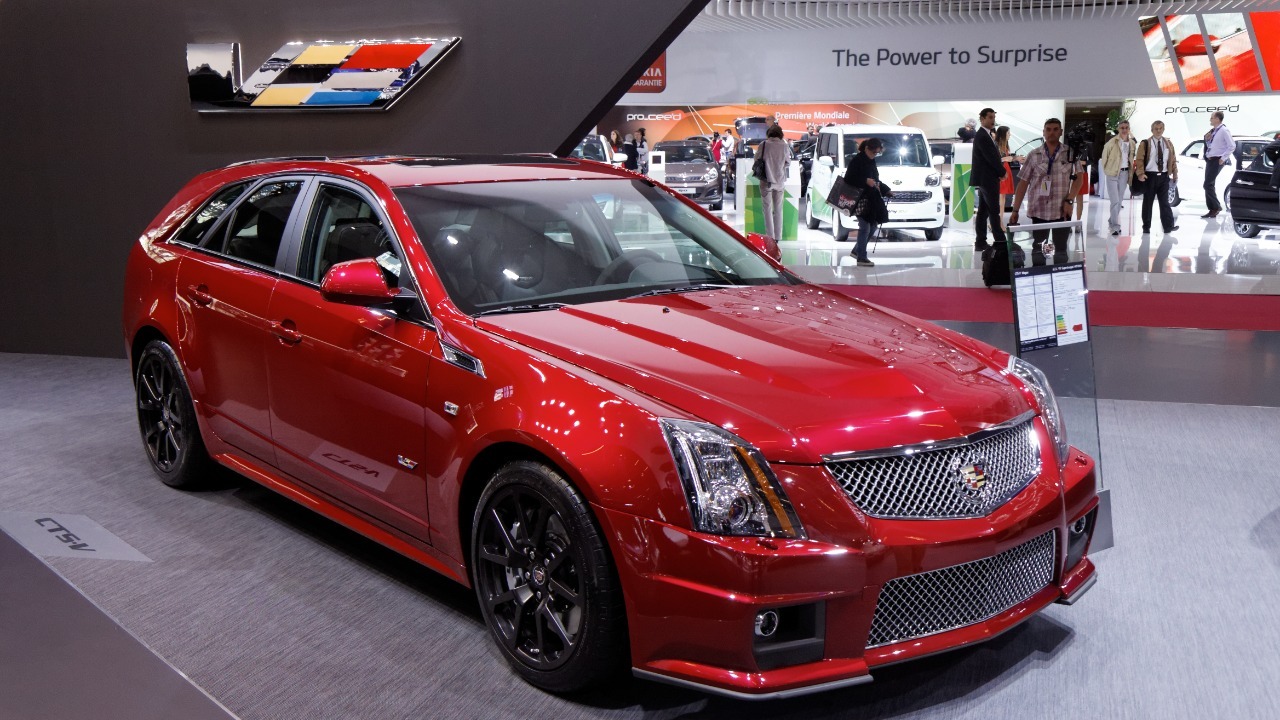
Filling out the rest of the top 10 are brands that share a common thread: European luxury engineering paired with proprietary components. Jaguar, Mercedes-Benz, BMW, Audi, and Volvo all appear in the upper tier. American luxury entries like Lincoln and Cadillac also surface in the costlier half of the rankings. The pattern across these brands is that years six through ten are where spending spikes most dramatically. Early ownership often feels manageable because factory warranties absorb the big-ticket items, but once coverage expires, owners face repair bills that can rival monthly car payments. A transmission control module on a late-model BMW or an air suspension compressor on a Range Rover can easily run into four figures for parts alone, before labor enters the equation.
Why Costs Accelerate After Year Five
The split between early and late ownership expenses is one of the most useful details in the Consumer Reports analysis of brand-level costs. During years one through five, most vehicles remain under some form of manufacturer warranty, and routine maintenance like oil changes and tire rotations accounts for the bulk of spending. The real financial divergence begins in year six, when powertrain components, electronics, and suspension parts start failing at higher rates. For luxury brands, this second half of the ownership cycle can account for the majority of total 10-year costs.
Several factors drive the acceleration. Luxury vehicles tend to use proprietary fasteners, fluids, and electronic modules that independent shops cannot always source cheaply. Dealer-only diagnostics software adds another layer of cost, because owners may have no choice but to pay dealership labor rates for even minor electrical faults. Contrast this with mainstream brands, where aftermarket parts are abundant and any corner mechanic can handle most repairs. The practical consequence is straightforward: a buyer who plans to keep a luxury vehicle past its warranty period should budget aggressively for the back half of ownership, or consider extended coverage products with a clear understanding of what is and is not included.
Recall Exposure Adds Hidden Disruption
Repair costs tell only part of the ownership story. Safety recalls, while technically free to consumers, create real disruption in the form of scheduling delays, loaner car logistics, and time away from daily routines. The federal government maintains detailed records of every recall issued by every manufacturer, with reporting obligations codified under NHTSA’s defect reporting rules. These datasets allow anyone to look up recall exposure by make, model, and year, providing a transparency layer that goes beyond what any private survey can capture.
Brands that appear on the priciest-to-maintain lists also tend to carry heavier recall histories, particularly for electronic and software-related defects that have become more common as vehicles grow more digitally complex. While a recall repair itself costs the owner nothing, the cumulative effect of multiple recall campaigns over a decade adds logistical friction that erodes the ownership experience. For someone weighing a used Land Rover against a used Toyota, the recall record offers a useful proxy for how much time you might spend dealing with the dealership service department, even setting aside the out-of-pocket repair bills. Buyers who value predictability should treat recall frequency as part of the broader cost-of-ownership equation rather than a separate safety-only concern.
Baseline Ownership Costs Most Buyers Overlook
Before even reaching brand-specific repair expenses, every car owner faces a baseline layer of costs that many first-time buyers underestimate. AAA breaks down the components of car ownership into categories including fuel, insurance, depreciation, financing, and maintenance. Routine maintenance alone accounts for a meaningful annual expense regardless of brand. When you layer brand-specific repair premiums on top of that baseline, the gap between an economy sedan and a luxury SUV becomes even more dramatic than the repair rankings alone suggest.
This baseline context is important because it reframes the “priciest brands” conversation. A Land Rover owner is not simply paying more for repairs; they are paying more for repairs on top of higher insurance premiums, faster depreciation, and often costlier fuel requirements. The total cost of ownership for a high-maintenance luxury vehicle can exceed that of an economy car by a factor that dwarfs the original purchase price difference. Buyers who focus only on the monthly payment miss this compounding effect entirely, leaving themselves vulnerable to budget strain when insurance renewals, unexpected repairs, and rising fuel prices all hit at once.
Toyota, Honda, and Mazda Stand Apart
On the opposite end of the spectrum, three Japanese brands consistently emerge as the least expensive to maintain over a decade. Toyota, Honda, and Mazda all clock in well below the industry average for cumulative 10-year repair and maintenance spending. Their advantage is not accidental. These manufacturers have invested decades in standardizing parts across model lines, simplifying mechanical layouts, and designing components for longevity rather than peak performance. A Corolla’s brake job costs a fraction of what a comparable repair runs on a 3 Series, and the Corolla is less likely to need one in the first place.
What makes these three brands genuine outliers rather than simply “cheap cars” is that their low maintenance costs do not come at the expense of reliability or safety. RepairPal’s reliability data, which factor in cost, frequency, and severity of actual repairs, consistently place mainstream Japanese models near the top of their segments. The data suggests that these brands have solved a problem that luxury manufacturers have not: delivering a vehicle that holds up mechanically while keeping replacement parts affordable and widely available. For a buyer who plans to own a car for eight to ten years, the savings from choosing one of these three brands can easily total enough to fund a down payment on the next vehicle or cover several years of insurance on its successor.
What Self-Reported Data Might Miss
No ranking system is perfect, and the survey-based methodology behind these 10-year cost figures carries limitations that deserve honest scrutiny. Because the data relies on member-reported spending, it may undercount owners who abandon expensive brands before the 10-year mark. If the most frustrated Land Rover owners sell at year four, their heaviest potential repair bills never enter the dataset. This survivorship bias could mean the true cost gap between luxury and economy brands is even wider than the published figures indicate, especially for models with well-known issues that prompt early trade-ins.
There is also a question of regional variation. Labor rates in Manhattan differ sharply from those in rural Texas, and parts availability can swing costs significantly depending on proximity to a dealer network. The aggregated national figures smooth over these differences, which is useful for broad comparisons but less helpful for an individual shopper trying to forecast their personal expenses. A buyer in a major metro area with multiple independent shops specializing in German cars may face lower real-world costs than someone in a small town where the nearest European-brand dealer is 100 miles away. Interpreting the rankings as directional rather than absolute helps reconcile these nuances and encourages buyers to supplement national data with quotes from local mechanics and insurers.
How Shoppers Can Turn Data Into Better Decisions
Turning these insights into practical shopping strategies starts with clarifying how long you realistically plan to keep a vehicle. If you know you will sell or trade within three to four years, 10-year maintenance rankings matter less than initial depreciation and warranty coverage. For long-term owners, however, brand-level cost histories should sit alongside crash-test scores and fuel economy on the must-research list. Comparing a few candidate brands on both repair costs and recall patterns can quickly reveal whether a tempting luxury badge is likely to become an expensive long-term companion.
Once you have narrowed your options, the next step is to test the numbers against your local conditions. Calling a trusted independent shop to ask about typical repair costs for the models on your shortlist can expose hidden disparities that national averages obscure. Similarly, obtaining insurance quotes before you buy will highlight how much brand and trim level influence premiums. By combining survey-based rankings, government recall records, and local price checks, shoppers can move beyond gut feelings about “reliable” or “high-end” brands and instead choose vehicles that fit both their aspirations and their long-term budgets.
More From The Daily Overview
*This article was researched with the help of AI, with human editors creating the final content.

Cole Whitaker focuses on the fundamentals of money management, helping readers make smarter decisions around income, spending, saving, and long-term financial stability. His writing emphasizes clarity, discipline, and practical systems that work in real life. At The Daily Overview, Cole breaks down personal finance topics into straightforward guidance readers can apply immediately.
