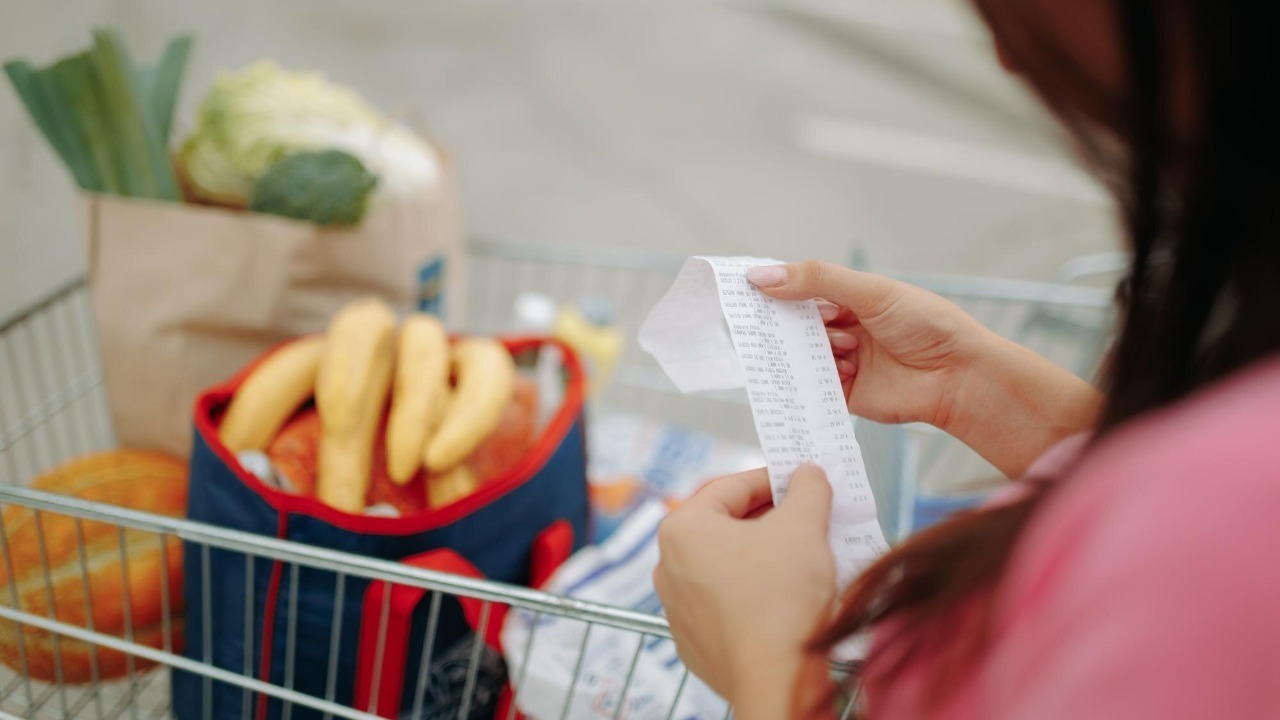
American households still paying elevated prices at the grocery store now have a concrete, government-backed playbook for relief. The USDA’s Thrifty Food Plan, updated as recently as January 2026, estimates the cost of a minimally priced but nutritionally adequate market basket, and the foods that anchor that plan are almost all shelf-stable staples available at any supermarket. By swapping even a handful of costlier proteins and processed items for the 10 foods below, shoppers can trim their weekly spending without sacrificing nutrition or flavor.
How the USDA Measures a Budget Basket
The federal government does not guess at what budget eating looks like. The USDA’s Center for Nutrition Policy and Promotion publishes monthly cost-of-food data that break down weekly and monthly food budgets by age and sex group under four spending tiers, with the Thrifty Food Plan representing the lowest-cost option. That plan was rebuilt in 2021 using updated price data, consumption patterns, and the latest Dietary Guidelines for Americans, and its methodology, including model code and spreadsheets of the underlying market baskets, is publicly available for review so researchers and consumers can see exactly how a frugal but adequate diet is constructed.
Separately, the Bureau of Labor Statistics computes average retail prices for approximately 70 food items, covering staples such as eggs, milk, rice, bread, and ground beef, which lets anyone compare what they are paying at the register against a national benchmark. Broader inflation and wage trends, tracked by agencies such as the U.S. Department of Labor, give additional context for how far paychecks stretch when food costs rise faster than other expenses. Together, these datasets form the evidence base for the list that follows: each item appears because federal price tracking or USDA nutrition guidance identifies it as reliably cheap per serving while still fitting into a healthy pattern of eating.
Rice and Pasta: The Two Cheapest Calorie Anchors
Rice is one of the most widely eaten foods on the planet, and its cost per serving remains among the lowest of any grocery item tracked in national price statistics. A single bag of long-grain white rice yields dozens of meals and can become fried rice, burrito bowls, or a simple porridge, making it one of the most versatile staples a household can stock. Dried pasta performs a similar role: a box of spaghetti, penne, or shells typically costs well under a dollar per serving and pairs with everything from a basic garlic-and-oil sauce to a hearty tomato-based ragù, so a few boxes in the pantry can backstop several dinners when money is tight.
Both items share a trait that matters for budget shoppers: they store for months without refrigeration and cook quickly with minimal energy costs, which keeps utility bills in check as well. Dried starches like rice, pasta, instant noodles, quinoa, and oats are affordable items that can stretch into multiple meals across the week, a point reinforced by chefs and budget-cooking writers who rely on them as the backbone of frugal recipes. For families trying to build a weekly menu around the Thrifty Food Plan’s cost targets, these two grains can anchor almost every dinner rotation, with sauces, vegetables, and seasonings swapped in and out to avoid boredom without raising the total bill.
Beans, Lentils, and the Protein Price Gap
Protein is typically the most expensive line item on a grocery receipt, but dried legumes flip that equation. The USDA’s budget-friendly guidance explicitly identifies beans, peas, and lentils as low-cost protein options and recommends them as direct substitutes for pricier cuts of meat. A one-pound bag of dried black beans or pinto beans produces roughly eight servings, and rice paired with beans delivers a complete amino acid profile, a combination that is a staple in many cuisines worldwide and can be seasoned with spices, onions, and canned tomatoes to feel like a different meal each night.
Lentils deserve their own mention because they solve the biggest complaint about dried beans: cook time. While most dried beans require overnight soaking and lengthy simmering, lentils can be cooked in under half an hour with no pre-soaking at all, making them ideal for weeknights. They work in soups, grain bowls, curries, and salads, and they deliver fiber, folate, and iron alongside plant protein. For shoppers who have avoided legumes because of the perceived hassle, lentils are the fastest on-ramp to cheaper meals, and keeping a few bags of different varieties (brown, green, or red) on hand can replace several pounds of ground meat over the course of a month.
Eggs, Oats, and Breakfast on a Budget
Eggs have been a volatile item over the past two years. U.S. egg prices remain near elevated levels, according to reporting that cites BLS data and ties the spikes to avian influenza outbreaks that forced farmers to cull millions of laying hens. Even so, eggs still deliver one of the highest protein-per-dollar ratios of any animal product, especially when bought by the dozen or in larger cartons. The federal price series for Grade A eggs gives shoppers a way to check whether local shelf tags are above or below the national trend before buying in bulk, and when prices dip, stocking up and hard-boiling part of the carton can provide several days of breakfasts and snacks.
Oats fill a different breakfast slot at an even lower price point. A canister of rolled oats costs a fraction of boxed cereal per serving and requires only water or milk to prepare, with toppings like fruit, cinnamon, or peanut butter adding flavor without much extra cost. Oats also double as a baking ingredient for muffins, breads, and granola bars, and they can be prepared overnight in the refrigerator for mornings when there is no time to cook. For households trying to keep breakfast costs minimal, alternating between egg-based dishes and oatmeal across the week covers protein, fiber, and key micronutrients without repetition, and both ingredients can be repurposed into savory meals if there are leftovers.
Cabbage, Potatoes, and Frozen Vegetables
Fresh produce is often seen as the budget buster in a grocery cart, but two items consistently defy that reputation. Cabbage, as a recent budget-cooking feature noted, is having a moment precisely because it is inexpensive, filling, and flexible. A single head weighs several pounds and works raw in slaws, sautéed as a side, or braised in soups and stews, stretching across multiple meals for just a few dollars. Potatoes offer similar versatility at a comparable per-pound cost: baked, mashed, roasted, or added to quiches, curries, and salads, they can be turned into both main dishes and sides, and leftover cooked potatoes can be crisped in a skillet for a second-day breakfast.
When fresh produce is out of season or priced too high, frozen vegetables close the gap without sacrificing nutrition. The USDA’s budget advice highlights frozen and canned options as smart strategies alongside comparing unit prices, buying value packs, and freezing perishables before they spoil, because these products are flash-frozen or packed near peak ripeness. For families in regions where the Food-at-Home Monthly Area Prices series has historically shown higher fresh-produce costs, the freezer aisle is the most reliable equalizer, offering bags of broccoli, spinach, peas, and mixed blends that can be tossed directly into stir-fries, soups, and pasta dishes with no chopping and minimal waste.
Canned Tomatoes and Peanut Butter
Two pantry items round out the list because they solve the flavor and fat gaps that plain grains and legumes leave behind. Canned tomatoes, whether diced, crushed, or in paste form, turn rice, pasta, or beans into a complete dish for pennies per serving, and they are shelf-stable for years. They provide vitamin C and lycopene without the spoilage risk of fresh tomatoes bought in bulk, and they form the base for sauces, stews, and braises that make inexpensive ingredients taste richer. The USDA’s budget guidance includes canned goods as a recommended category for precisely this reason: they let shoppers buy in volume during sales and store the surplus indefinitely, smoothing out price swings over time.
Peanut butter fills the calorie-dense, high-fat role that budget diets often lack. A single jar delivers protein, unsaturated fats, and enough calories to anchor snacks, sandwiches, and quick breakfasts when paired with bread, apples, or celery. Because it is shelf-stable and compact, it also works as an emergency backstop for days when there is little else in the pantry, and store-brand versions are usually far cheaper than name brands with similar nutrition labels. Looking beyond any one item, the Economic Research Service maintains interactive food-cost tools that can help households and advocates understand how staples like peanut butter, canned tomatoes, and the other foods on this list fit into broader trends in grocery prices, making it easier to plan a low-cost pantry that still meets basic nutritional needs.
More From The Daily Overview
*This article was researched with the help of AI, with human editors creating the final content.

Cole Whitaker focuses on the fundamentals of money management, helping readers make smarter decisions around income, spending, saving, and long-term financial stability. His writing emphasizes clarity, discipline, and practical systems that work in real life. At The Daily Overview, Cole breaks down personal finance topics into straightforward guidance readers can apply immediately.
