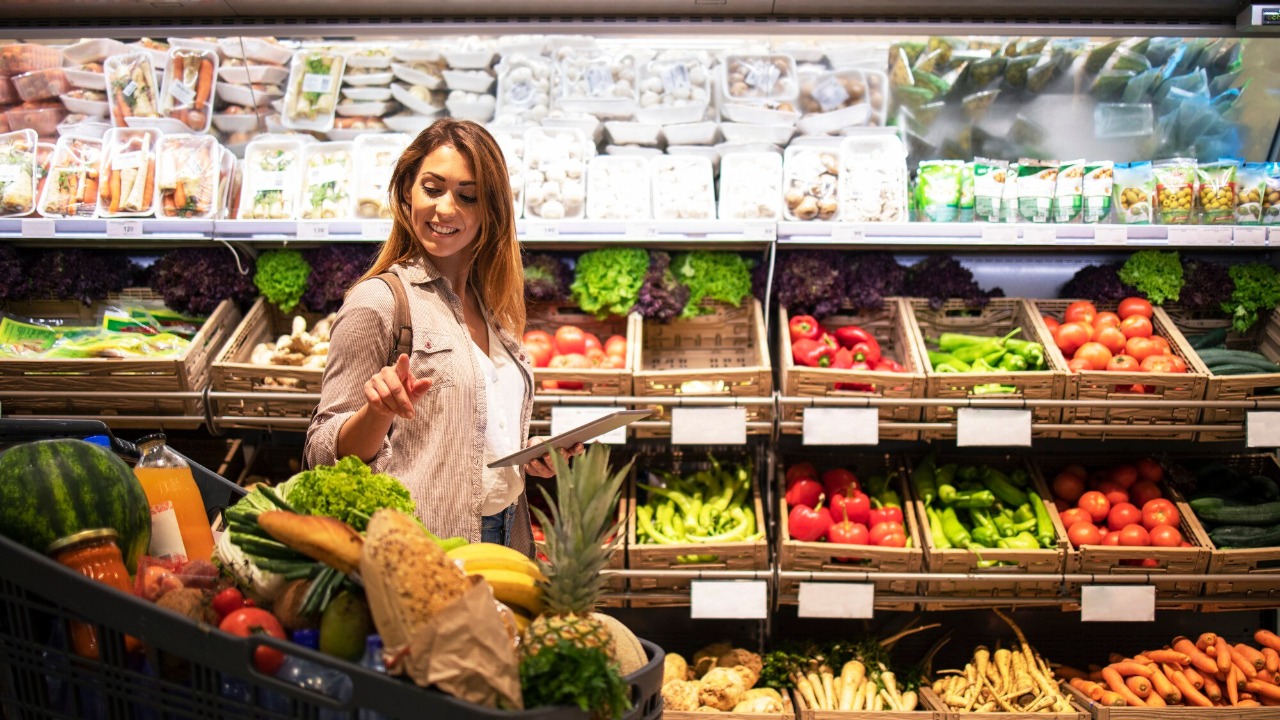
Grocery prices can vary significantly from city to city, influenced by factors such as local economies, import dependencies, and even health crises. As we explore the cities where grocery prices are highest, it’s clear that both domestic and international locations face unique challenges that drive up the cost of everyday essentials. From the isolated islands of Hawaii to bustling global metropolises, these cities illustrate the diverse economic pressures impacting food affordability worldwide.
1) Honolulu, Hawaii
Honolulu, Hawaii, stands out as a leading U.S. city with some of the highest grocery prices, driven largely by its geographic isolation. The cost of transporting goods to the islands significantly inflates prices, with groceries costing over 50% more than the national average. This stark difference is highlighted in a recent report on U.S. grocery costs. The reliance on imports for most food items means that residents face higher prices for staples like milk, bread, and fresh produce.
The economic impact of these elevated prices is profound, affecting household budgets and contributing to a higher cost of living. For many residents, the high grocery prices necessitate careful budgeting and prioritization of spending. The situation in Honolulu underscores the broader challenges faced by island communities worldwide, where geographic isolation can lead to significant economic disadvantages.
2) Geneva, Switzerland
Geneva, Switzerland, is renowned for its high cost of living, and grocery prices are no exception. This city tops global lists for exorbitant prices on basics like milk and bread, primarily due to import dependencies and high wages. According to a global comparison, Geneva’s grocery costs are among the highest worldwide, reflecting the city’s economic structure and consumer expectations.
The high wages in Geneva contribute to the elevated cost of living, as businesses pass on the costs of labor to consumers. Additionally, Switzerland’s strong currency and stringent import regulations further inflate prices. For residents, this means that everyday shopping requires a significant portion of their income, impacting lifestyle choices and financial planning. Geneva’s situation highlights the complex interplay between local economic policies and global market forces.
3) Miami, Florida
Miami, Florida, has experienced a sharp rise in fast food costs, which serves as a proxy for broader food affordability pressures. Fast food meals in Miami cost up to 20% more than the national average, reflecting inflationary pressures that extend to grocery prices. This trend is documented in a report on U.S. cities with the highest fast food prices.
The rising costs in Miami are driven by several factors, including increased demand, supply chain disruptions, and higher labor costs. These elements contribute to a challenging environment for consumers, who must navigate rising prices across various food categories. The situation in Miami underscores the broader economic trends affecting urban centers across the United States, where inflation and economic pressures are reshaping consumer behavior and spending patterns.
4) Minneapolis-St. Paul, Minnesota (Twin Cities)
The Twin Cities of Minneapolis and St. Paul have been significantly impacted by bird flu outbreaks, which have driven up egg prices to $5 per dozen or higher. This surge in prices has exacerbated local grocery expenses, as reported in a detailed analysis. The ongoing effects of the bird flu have kept egg and poultry prices elevated, contributing to overall grocery inflation.
The impact of these price increases is felt across the community, affecting both consumers and local businesses. For families, the higher cost of eggs and poultry means adjusting meal plans and budgets. The situation in the Twin Cities highlights the vulnerability of local markets to health crises and the broader implications for food security and affordability.
5) San Francisco, California
San Francisco, California, is another U.S. city where grocery prices are notably high, with indexes showing costs 40% above national norms. This is largely driven by the city’s booming tech economy and ongoing supply chain issues. According to a recent report, San Francisco’s grocery prices reflect the broader economic dynamics at play in the region.
The high cost of living in San Francisco is a well-documented phenomenon, with housing and transportation costs also contributing to the financial strain on residents. For many, the elevated grocery prices necessitate careful financial planning and prioritization of spending. The situation in San Francisco illustrates the challenges faced by urban centers with rapidly growing economies, where the benefits of economic growth are often accompanied by increased living costs.
6) London, United Kingdom
London ranks high globally for steep costs on fresh produce and dairy, influenced by currency fluctuations and import dependencies. The city’s grocery prices are among the highest worldwide, as detailed in a global analysis. The economic landscape in London is shaped by its status as a major financial hub, with high demand and limited supply driving up prices.
The impact of these high grocery prices is felt across the city, affecting both residents and businesses. For consumers, the elevated costs necessitate careful budgeting and spending adjustments. The situation in London highlights the broader economic challenges faced by global cities, where economic growth and international trade dynamics can significantly impact local markets and consumer prices.
7) New York City, New York
New York City has seen fast food price hikes of 15-25% year-over-year, indicating strain on budget groceries in southern and eastern U.S. markets. This trend is documented in a report on U.S. cities with the highest fast food prices. The rising costs in New York City reflect broader economic pressures affecting urban centers across the country.
The impact of these price increases is significant, affecting both consumers and local businesses. For many residents, the higher costs necessitate adjustments in spending and budgeting. The situation in New York City underscores the broader economic challenges faced by urban centers, where inflation and economic pressures are reshaping consumer behavior and spending patterns.
8) Tokyo, Japan
Tokyo, Japan, is a leading Asian Pacific Rim city with some of the highest grocery prices worldwide. The city’s ultra-high costs on imported staples like rice and vegetables are driven by its dense population and trade factors. According to a global ranking, Tokyo’s grocery prices reflect the economic dynamics of a major global city.
The impact of these high grocery prices is felt across the city, affecting both residents and businesses. For consumers, the elevated costs necessitate careful budgeting and spending adjustments. The situation in Tokyo highlights the broader economic challenges faced by global cities, where economic growth and international trade dynamics can significantly impact local markets and consumer prices.
9) Boston, Massachusetts
Boston, Massachusetts, shows elevated pricing for meats and seafood at 30% over the national average. This trend is based on regional data from a recent report on U.S. grocery costs. The high prices in Boston are driven by a combination of local economic factors and supply chain issues.
The impact of these elevated prices is significant, affecting both consumers and local businesses. For many residents, the higher costs necessitate adjustments in spending and budgeting. The situation in Boston underscores the broader economic challenges faced by urban centers, where inflation and economic pressures are reshaping consumer behavior and spending patterns.
10) Hong Kong
Hong Kong leads worldwide for ultra-high costs on imported staples like rice and vegetables, driven by its dense population and trade factors. According to a global analysis, Hong Kong’s grocery prices reflect the economic dynamics of a major global city.
The impact of these high grocery prices is felt across the city, affecting both residents and businesses. For consumers, the elevated costs necessitate careful budgeting and spending adjustments. The situation in Hong Kong highlights the broader economic challenges faced by global cities, where economic growth and international trade dynamics can significantly impact local markets and consumer prices.
More From TheDailyOverview
- Dave Ramsey says these two simple questions show whether you’re rich or poor
- Retired But Want To Work? Try These 18 Jobs for Seniors That Pay Weekly
- IRS raises capital gains thresholds for 2026 and what’s new
- 12 ways to make $5,000 fast that actually work

Cole Whitaker focuses on the fundamentals of money management, helping readers make smarter decisions around income, spending, saving, and long-term financial stability. His writing emphasizes clarity, discipline, and practical systems that work in real life. At The Daily Overview, Cole breaks down personal finance topics into straightforward guidance readers can apply immediately.

