
Managing a grocery budget can feel challenging, but with a few strategic moves, it’s possible to significantly reduce your bill. These ten practical strategies are designed to help you save time and money without sacrificing quality or nutrition. By incorporating these tips into your routine, you can enjoy delicious meals while keeping more money in your wallet.
Plan Meals Ahead

One of the most effective ways to cut down on grocery costs is to plan your meals in advance. By deciding what you’ll be cooking for the week, you can create a focused shopping list that minimizes impulse buys. Planning meals also helps reduce food waste, as you purchase only what you need. Resources like NPR provide insightful tips on how to efficiently plan meals.
Consider setting aside a specific day each week to plan your meals. This practice not only saves money but also ensures that you incorporate a variety of nutritious foods into your diet. Utilize meal planning apps or templates to streamline the process and make it part of your weekly routine.
Create a Shopping List
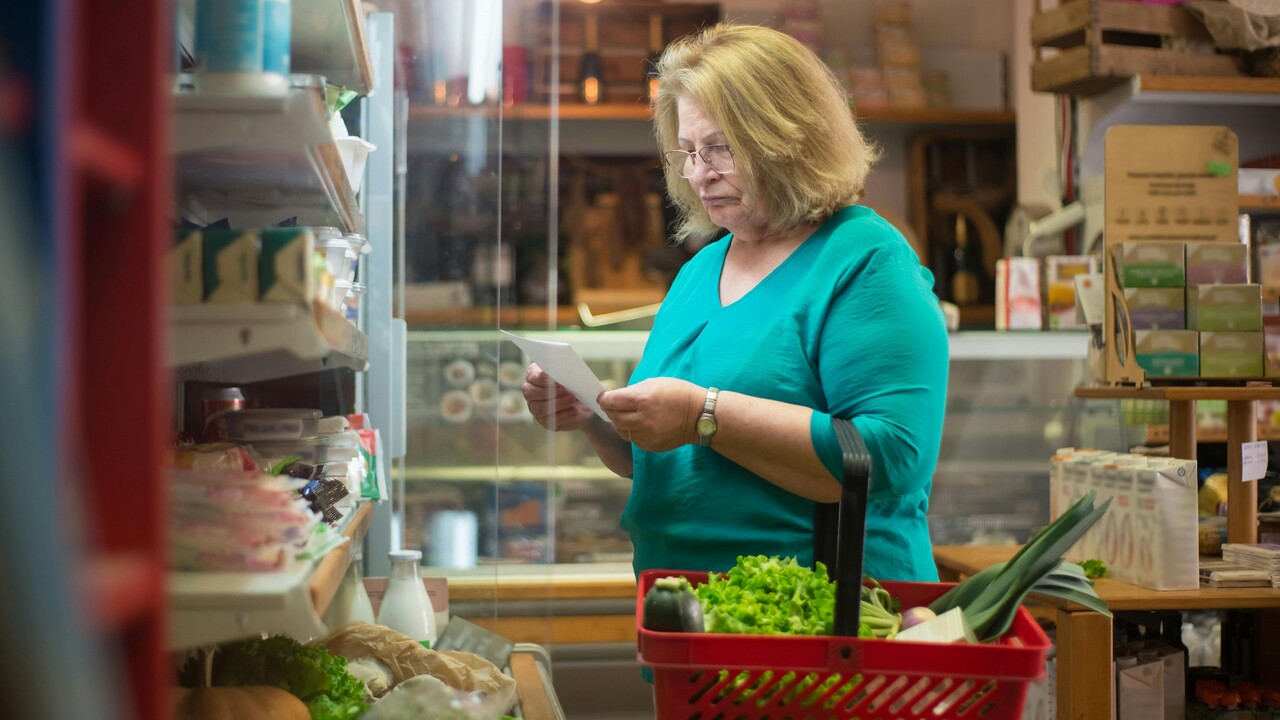
Creating a shopping list is crucial for sticking to your budget. A list helps you stay focused and resist the temptation of unnecessary purchases. Store it on your phone or keep a physical list handy to ensure you buy what you need.
Before heading to the store, take inventory of what you already have at home. This step prevents duplicate purchases and helps you make the most of existing ingredients. Utilize tools like Good Housekeeping for tips on effective list-making.
Use Coupons and Discounts
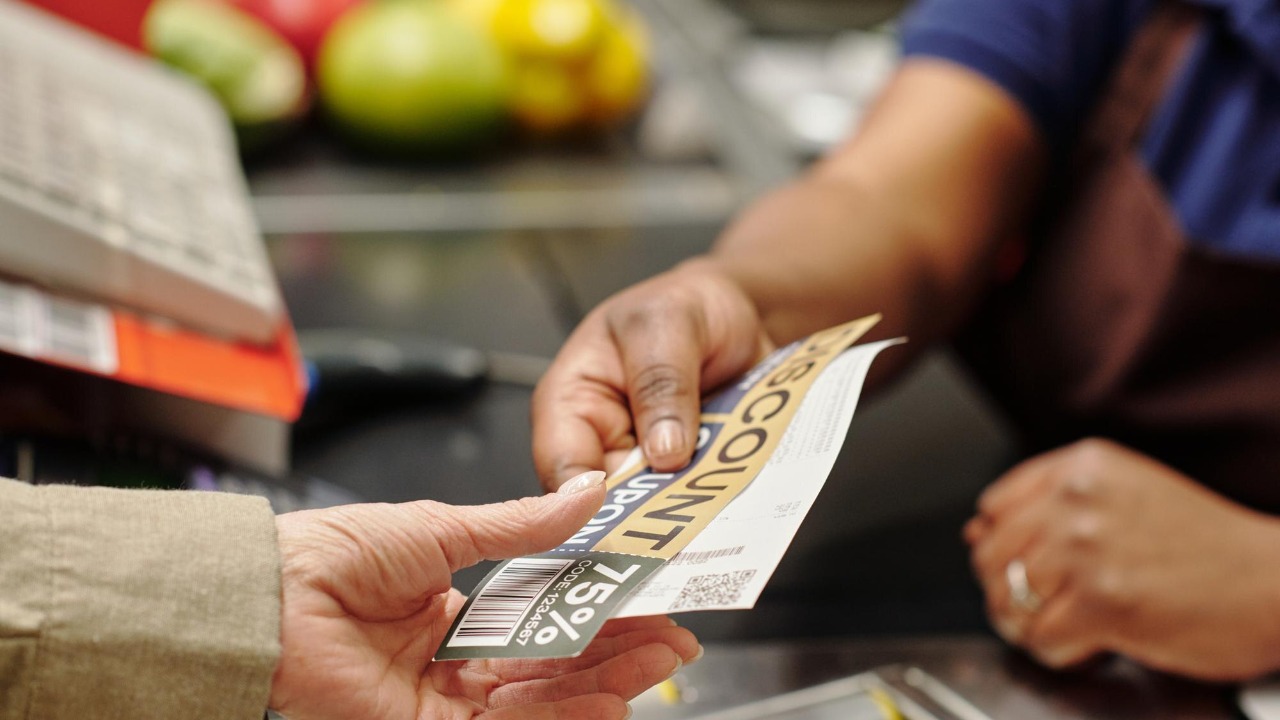
Coupons and discounts are effective tools for saving money. Many stores offer digital coupons through their apps, which can be clipped with a simple tap. Websites and apps dedicated to couponing can help you find the best deals available.
Be sure to read the terms and conditions of each coupon to ensure you maximize your savings. Also, consider signing up for store loyalty programs, which often provide exclusive discounts and deals to members.Buy in Bulk

Buying in bulk can lead to significant savings, especially on non-perishable items like grains, pasta, and canned goods. Membership-based warehouse stores often offer discounts on bulk purchases, which can be beneficial for larger families or long-term planning.
It’s important to ensure you have the storage space for bulk items and that you’ll use them before they expire. This strategy can be particularly cost-effective for items that you use frequently in your household.
Opt for Store Brands
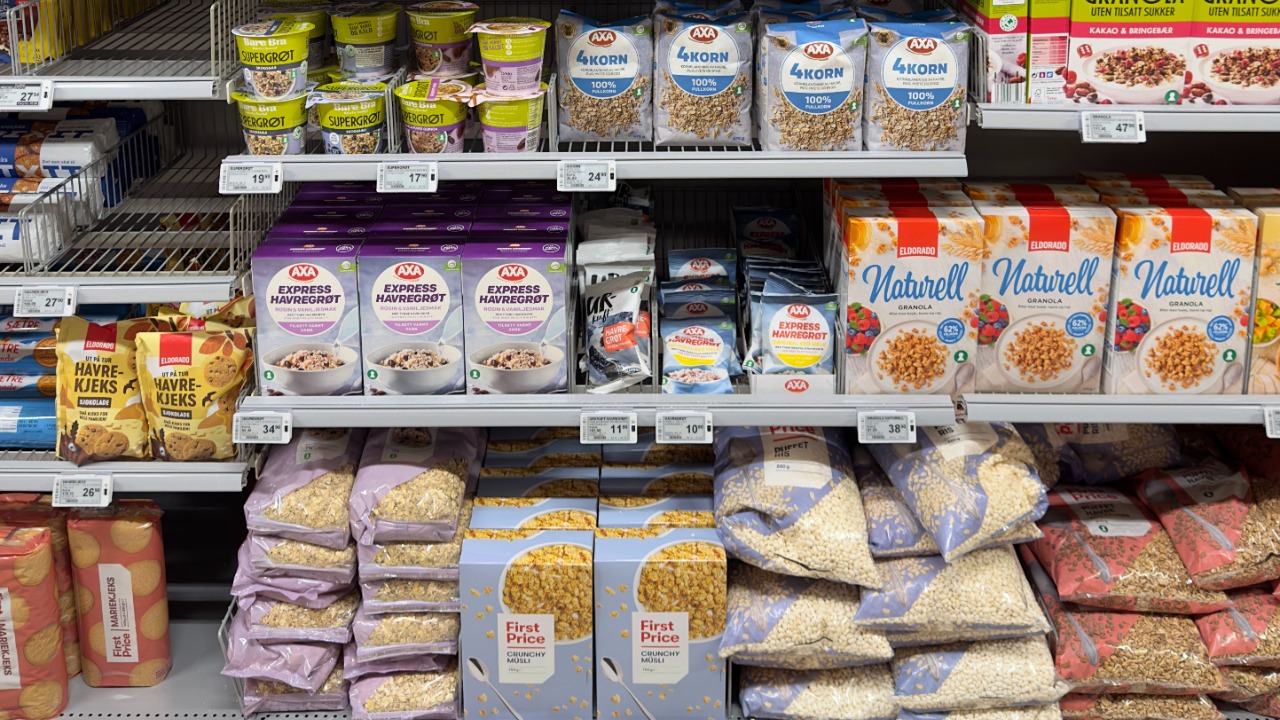
Store brands, or private labels, are typically more affordable than name-brand products and often offer comparable quality. These products can be found in nearly every grocery category, from cereals to cleaning supplies.
By choosing store brands, you can significantly reduce your grocery bill without compromising on quality. Studies like those found in Emerald Insight suggest that opting for store brands can result in substantial savings over time.
Shop Seasonal Produce
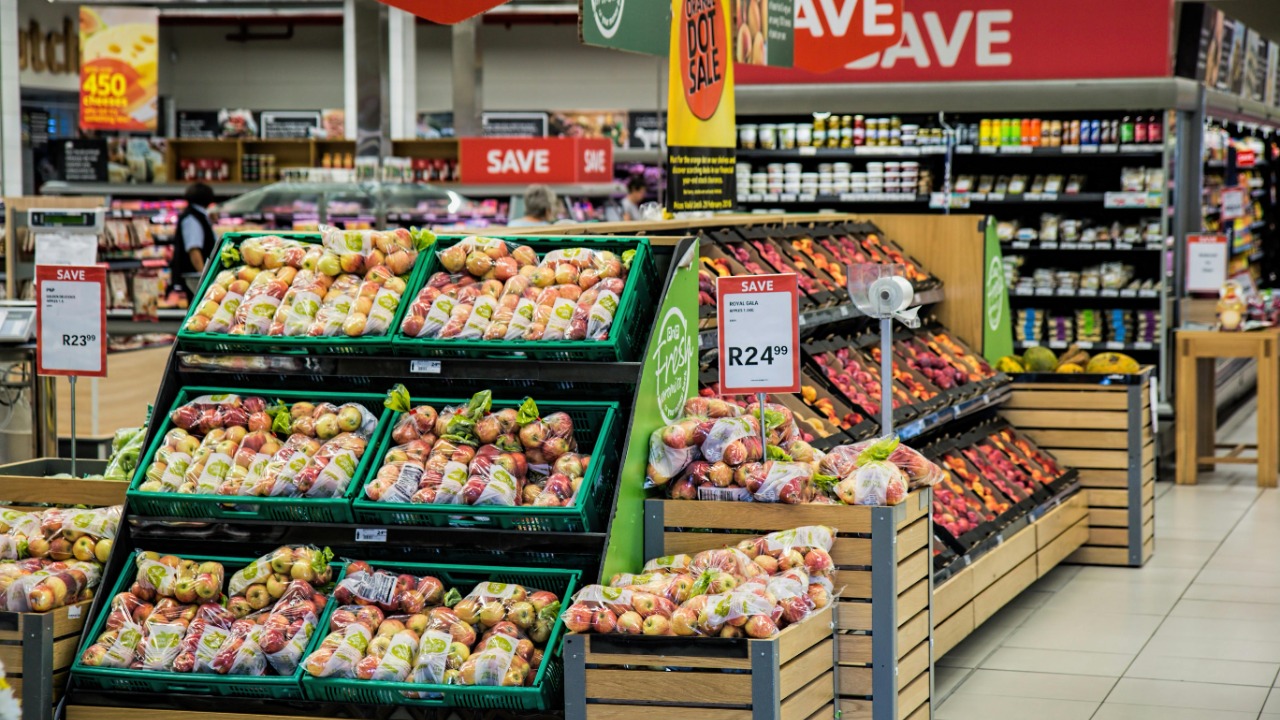
Fruits and vegetables are often cheaper when they’re in season. Seasonal produce not only costs less but also tends to be fresher and more flavorful. Checking out local farmers’ markets can also yield seasonal bargains.
Planning your meals around seasonal produce can enhance your culinary experience and help you explore new recipes. Resources like Google Books provide insights into the benefits of shopping seasonally.
Avoid Pre-Packaged Foods
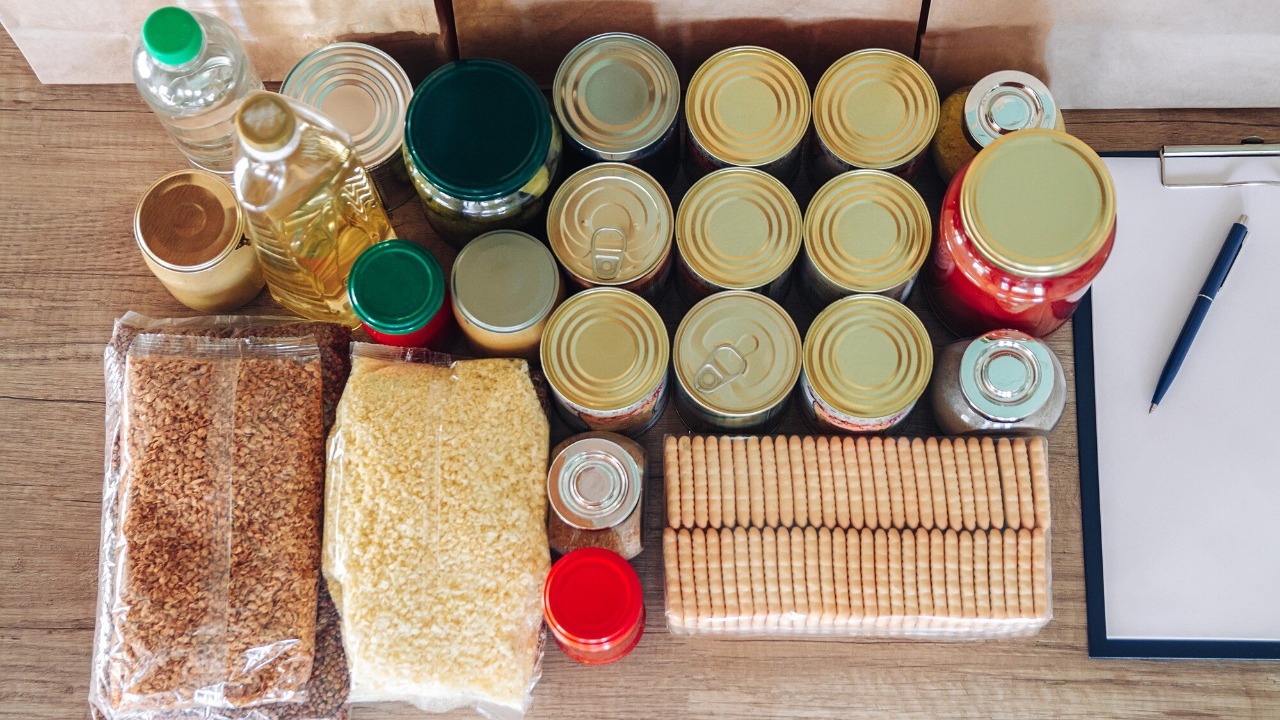
Pre-packaged foods often come with a premium price tag. By preparing meals from scratch, you can save money and have more control over the ingredients used. Cooking from whole, raw ingredients is generally more cost-effective and healthier.
Invest in basic kitchen skills and tools to make meal preparation easier and more enjoyable. There are numerous online resources available to help you get started with cooking from scratch.
Limit Snack Purchases

Snacks can quickly add up on your grocery bill, especially if they’re pre-packaged and branded. By limiting snack purchases, you can allocate more of your budget to essential groceries and healthier options.
Consider making homemade snacks or buying ingredients in bulk to prepare your own. This not only saves money but also allows you to tailor snacks to your taste preferences and dietary needs.Use a Price Comparison App
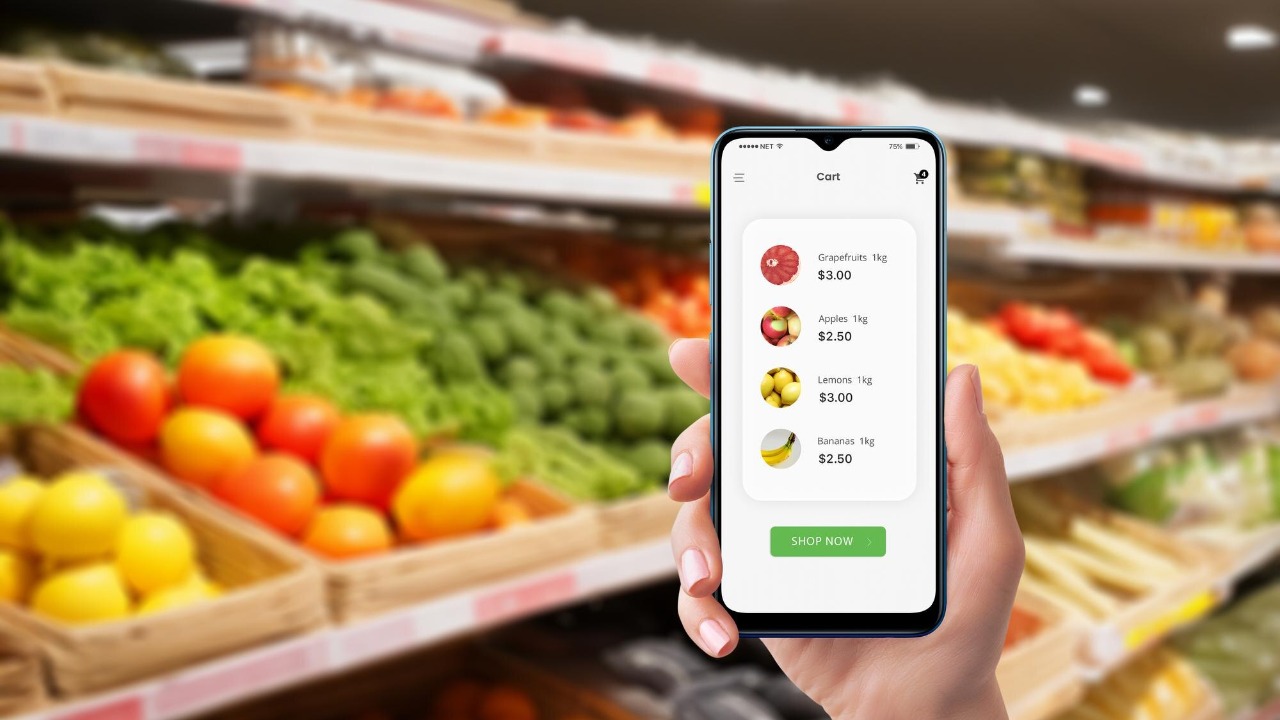
With technology at our fingertips, using a price comparison app can be an invaluable tool for saving money on groceries. These apps allow you to compare prices across different stores, ensuring you get the best deal.
Some apps even offer alerts for price drops or special promotions, making it easier to plan your shopping trips. Researching and downloading a reliable app can lead to significant savings over time.
Stick to a Budget

Setting and adhering to a budget is essential for managing grocery expenses. Determine how much you can afford to spend on groceries each month and plan your shopping accordingly. Review your spending regularly and adjust your budget as needed to reflect changes in your lifestyle or financial situation. By keeping a close eye on your budget, you can make informed decisions and avoid overspending.

Cole Whitaker focuses on the fundamentals of money management, helping readers make smarter decisions around income, spending, saving, and long-term financial stability. His writing emphasizes clarity, discipline, and practical systems that work in real life. At The Daily Overview, Cole breaks down personal finance topics into straightforward guidance readers can apply immediately.