
Retiring a decade early can feel like a dream, but with the right habits, it can become a reality. By adopting specific financial and lifestyle strategies, you can set yourself on the path to early retirement. These habits require discipline, but they are achievable and can significantly impact your financial future.
1. Embrace Frugality

Living frugally doesn’t mean depriving yourself of life’s pleasures; it’s about making intentional choices to minimize unnecessary expenses. By adopting frugal habits, like cooking at home or buying used items, you can significantly increase your savings rate. Analyze your spending patterns and identify areas where you can cut costs without sacrificing quality of life.
For instance, consider purchasing a reliable used car instead of a new model. This simple decision can save you thousands of dollars annually, which can be redirected towards your retirement fund. Frugality is about finding value in what you have and prioritizing long-term benefits over short-term gratification.
2. Maximize Retirement Contributions

One of the most effective ways to fast-track your retirement is by maximizing contributions to retirement accounts like 401(k)s or IRAs. Taking full advantage of employer matching programs can significantly boost your savings. Aim to contribute the maximum allowable amount each year to reap the benefits of compounded growth.
Consider setting up automatic contributions to ensure you consistently invest towards your future. By doing so, you can capitalize on tax advantages and grow your retirement nest egg more quickly. The earlier you start, the more time your investments will have to compound.
3. Create Multiple Income Streams
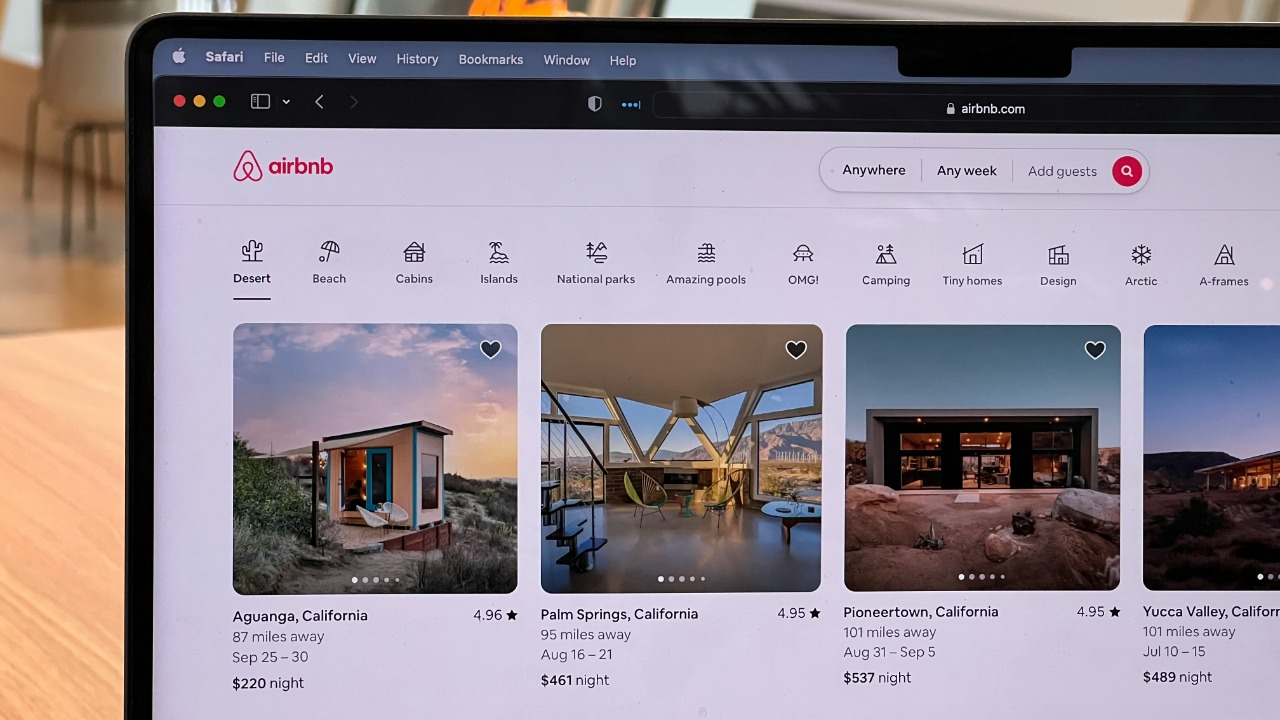
Diversifying your income sources can provide financial stability and accelerate your journey to early retirement. Explore side hustles or passive income opportunities, such as rental properties or dividend stocks. These additional streams can supplement your primary income and enhance your savings potential.
For example, platforms like Airbnb allow you to rent out a spare room, generating extra income with minimal effort. Similarly, investing in dividend-paying stocks can provide regular cash flow, which can be reinvested or used to boost your savings.
4. Prioritize Debt Reduction

High-interest debt, such as credit card balances, can be a significant barrier to retiring early. Prioritize paying down debt aggressively to free up more money for savings and investments. Consider using strategies like the debt avalanche or snowball method to tackle your liabilities.
Once high-interest debts are under control, focus on reducing other obligations like student loans or mortgages. By minimizing your debt load, you’ll have more financial flexibility and less stress, making it easier to save for retirement.
5. Engage in Continuous Learning

Staying informed about financial strategies and market trends can help you make smarter investment decisions. Engage in continuous learning by reading books, attending workshops, or taking online courses related to personal finance and investing.
For instance, platforms like Coursera or Udemy offer courses on financial literacy and investment strategies, providing valuable insights for planning your financial future. By expanding your knowledge, you can optimize your investment portfolio and increase your chances of retiring early.
6. Practice Mindful Spending

Mindful spending involves consciously evaluating each purchase decision to ensure it aligns with your long-term goals. Before making a purchase, consider whether it adds value to your life or if the funds could be better utilized elsewhere.
Utilize budgeting apps like Mint or YNAB to track your expenses and identify areas for improvement. By being intentional with your spending, you can avoid financial pitfalls and allocate more resources towards your retirement savings.
7. Cultivate a Growth Mindset

A growth mindset encourages resilience and adaptability, both essential traits for achieving financial independence. View challenges as opportunities for growth and remain open to new ideas and strategies that can enhance your financial situation.
For example, if an investment doesn’t perform as expected, use it as a learning experience to refine your strategy. By maintaining a positive outlook and embracing change, you can stay motivated and focused on your goal of early retirement.
8. Invest Consistently and Wisely

Consistent and wise investing is crucial for building a robust retirement portfolio. Diversify your investments to mitigate risk and consider using index funds or ETFs for broad market exposure. Regularly review and adjust your portfolio to ensure it aligns with your risk tolerance and financial goals.
Leverage resources like Investopedia’s guides to enhance your investment knowledge and make informed decisions. By investing strategically, you can create a sustainable income stream for your retirement years.
9. Set Clear Retirement Goals

Establishing clear retirement goals is essential for maintaining focus and motivation. Determine the lifestyle you envision in retirement and calculate the amount needed to sustain it. Use tools like retirement calculators to estimate your required savings and set a realistic timeline.
Regularly evaluate your progress and adjust your goals as needed to stay on track. Having a clear vision of your retirement can guide your financial decisions and inspire you to make the necessary sacrifices to achieve it.
10. Monitor and Adjust Financial Plans Regularly

Regularly reviewing and adjusting your financial plans ensures that you remain on the path to early retirement. Life circumstances and economic conditions can change, necessitating updates to your strategy. Stay flexible and be prepared to adapt your plans as needed.
Set aside time each year to assess your financial situation and make any necessary adjustments. Resources like the 4% withdrawal rule can provide guidance on sustainable withdrawal rates during retirement. By staying proactive, you can safeguard your financial future and move closer to your retirement goals.

Nathaniel Cross focuses on retirement planning, employer benefits, and long-term income security. His writing covers pensions, social programs, investment vehicles, and strategies designed to protect financial independence later in life. At The Daily Overview, Nathaniel provides practical insight to help readers plan with confidence and foresight.