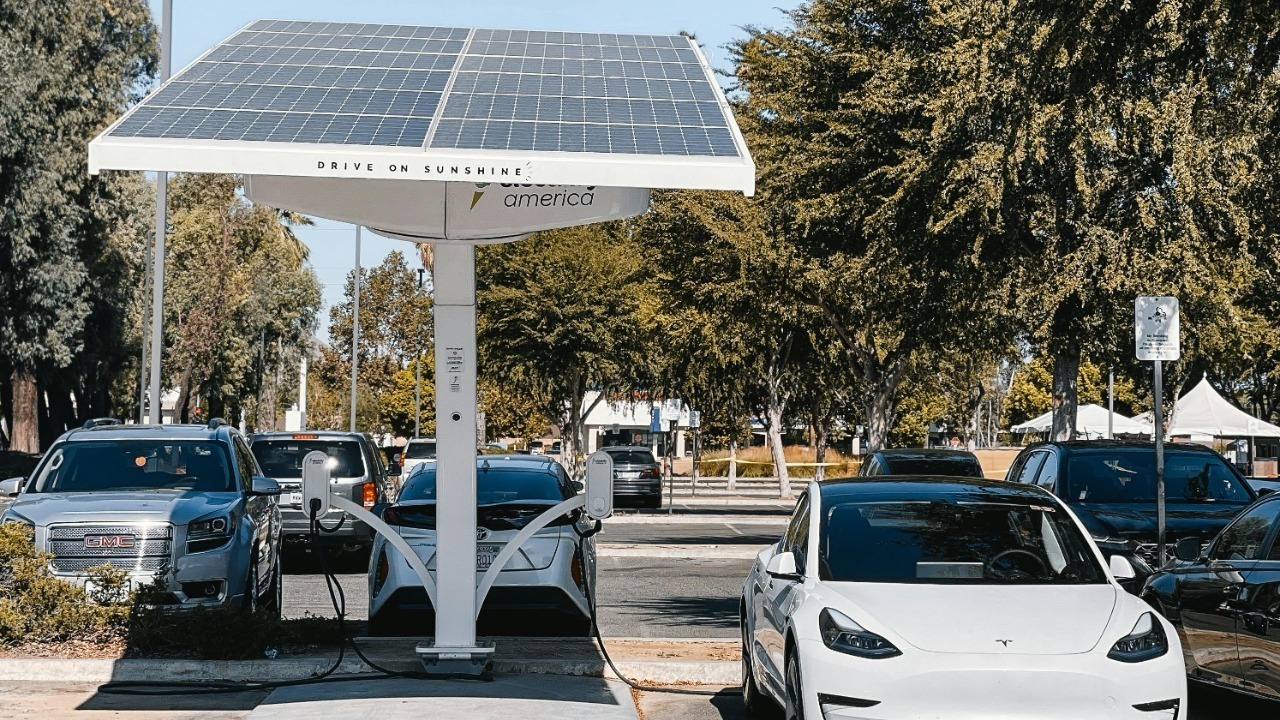
Electric vehicles (EVs) are often touted as the future of transportation with their eco-friendly appeal and innovative technology. However, the financial downsides may not be immediately apparent. From the initial purchase to maintenance and potential software updates, hidden costs can make EV ownership less economically viable than it seems at first glance.
1. Initial Purchase Price
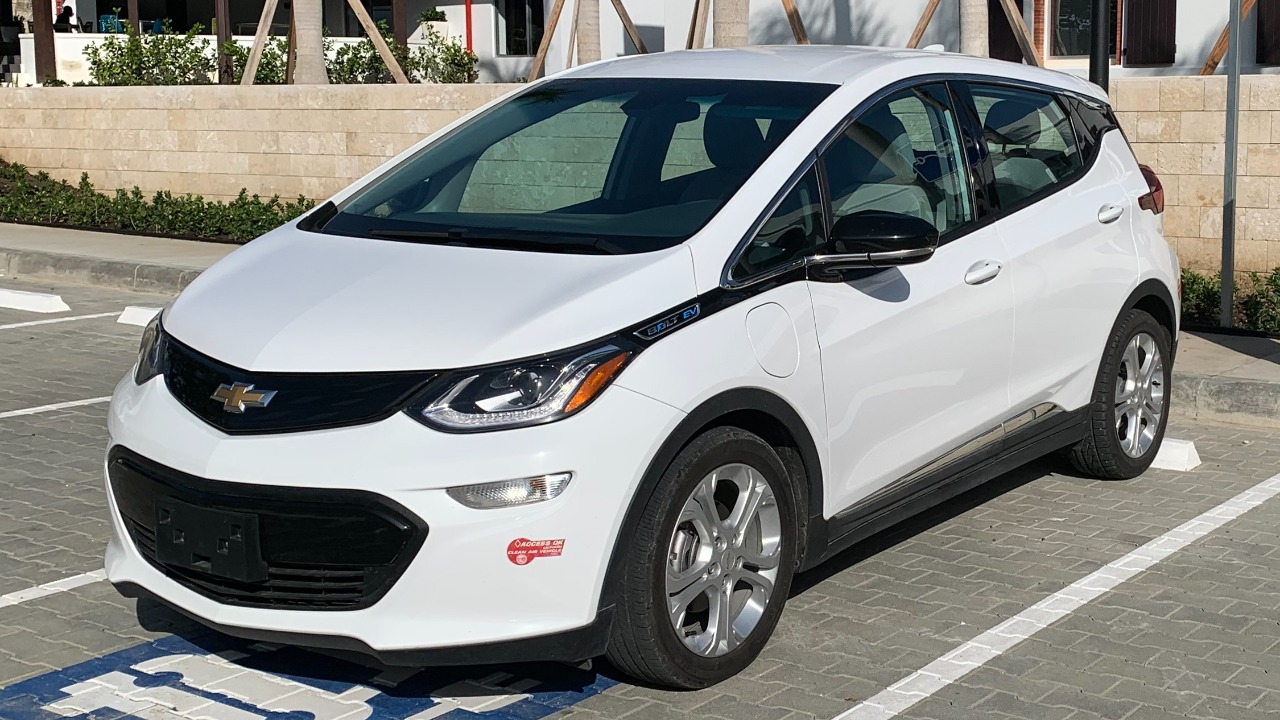
EVs often come with a higher initial purchase price compared to their gasoline counterparts. For instance, models like the Tesla Model 3 or the Chevrolet Bolt EV require a more substantial upfront investment. This is partly due to the advanced technology and battery systems they employ, which drive up production costs. Although tax incentives can help offset some of these expenses, they aren’t available to all buyers and can vary by region.
2. Charging Infrastructure Installation
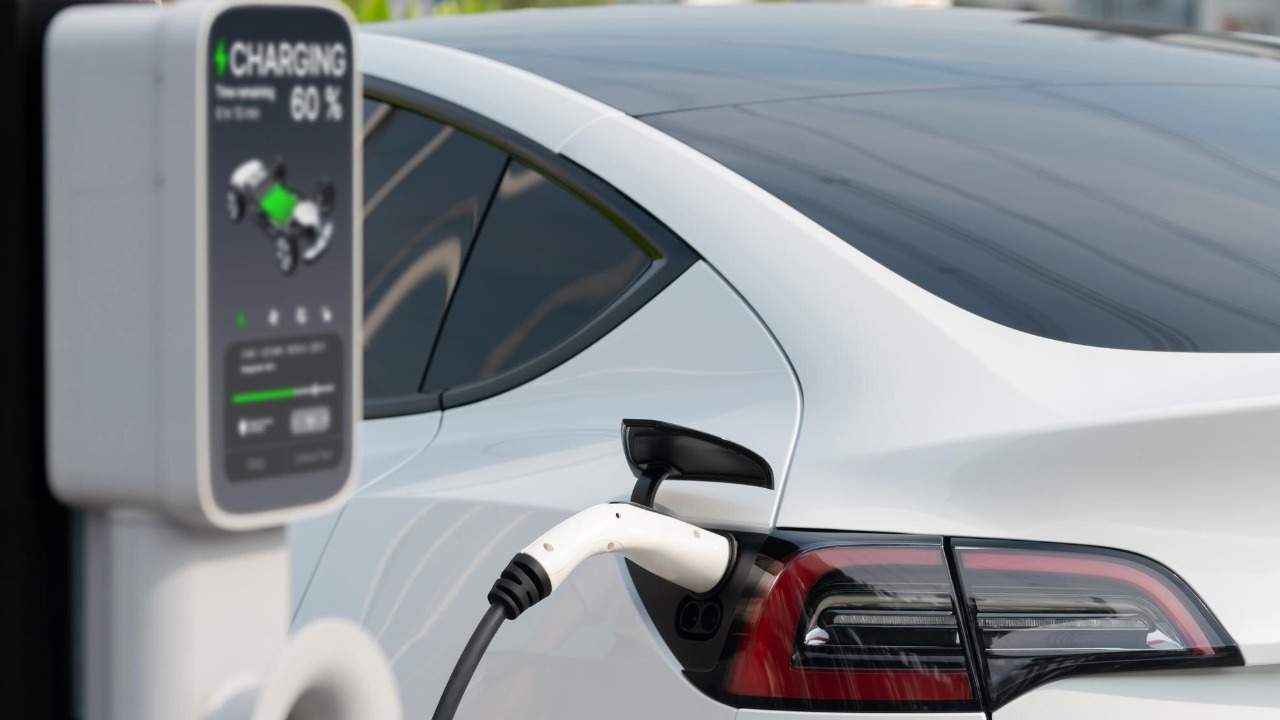
To fully enjoy the convenience of an EV, you might consider installing a home charging station. This can cost upwards of $1,000, depending on the complexity of the installation and your home’s electrical capabilities. While public charging stations are an option, they may not be as accessible or convenient, particularly in rural areas. Installation expenses are often overlooked but are crucial for maximizing the EV ownership experience.
3. Battery Replacement Costs
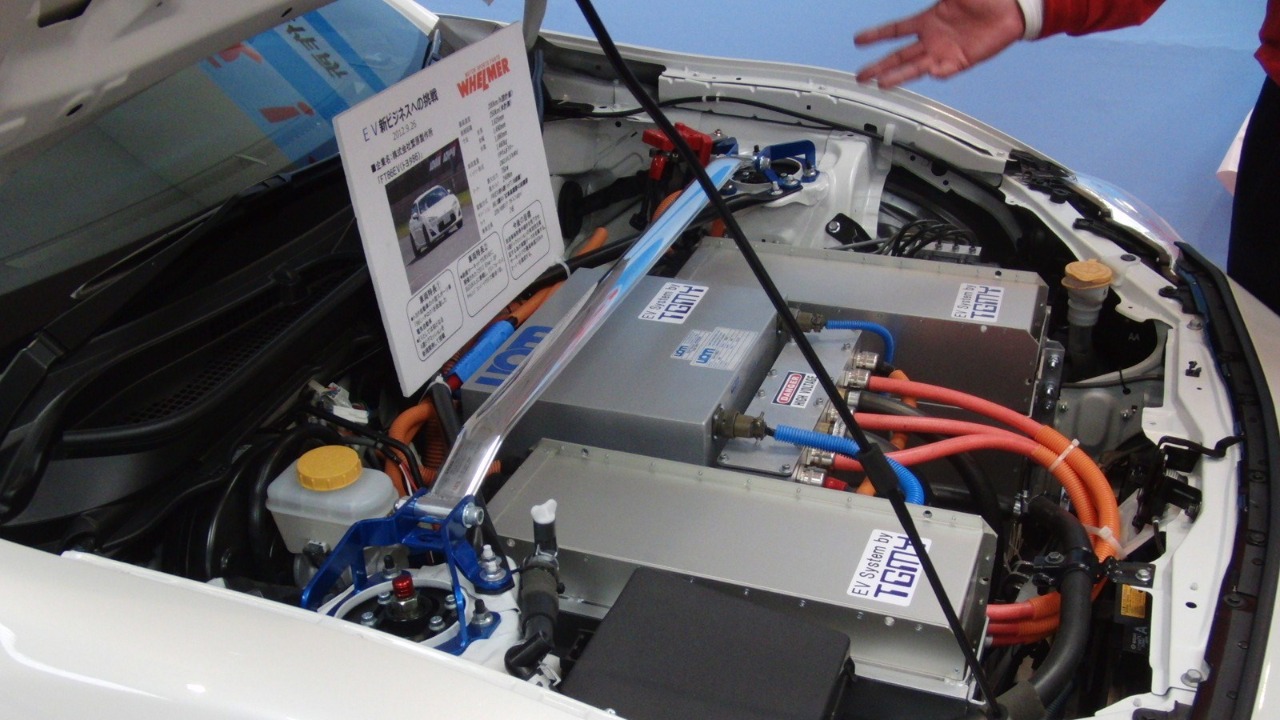
One of the most significant hidden costs is battery replacement. On average, EV batteries are designed to last around 8 to 10 years. However, replacing them can be a costly affair, with prices ranging from $5,000 to over $15,000 depending on the model. This potential expense can negate the savings from fuel and routine maintenance, making it a crucial factor to consider.
4. Limited Range Anxiety

Range anxiety is a common concern among EV owners. Despite advancements in battery technology, many EVs still have limited range compared to traditional gasoline vehicles. This often leads to frequent charging, which can result in increased electricity costs and potential inconvenience, especially on longer trips where charging stations may be sparse or crowded.
5. Depreciation Rates
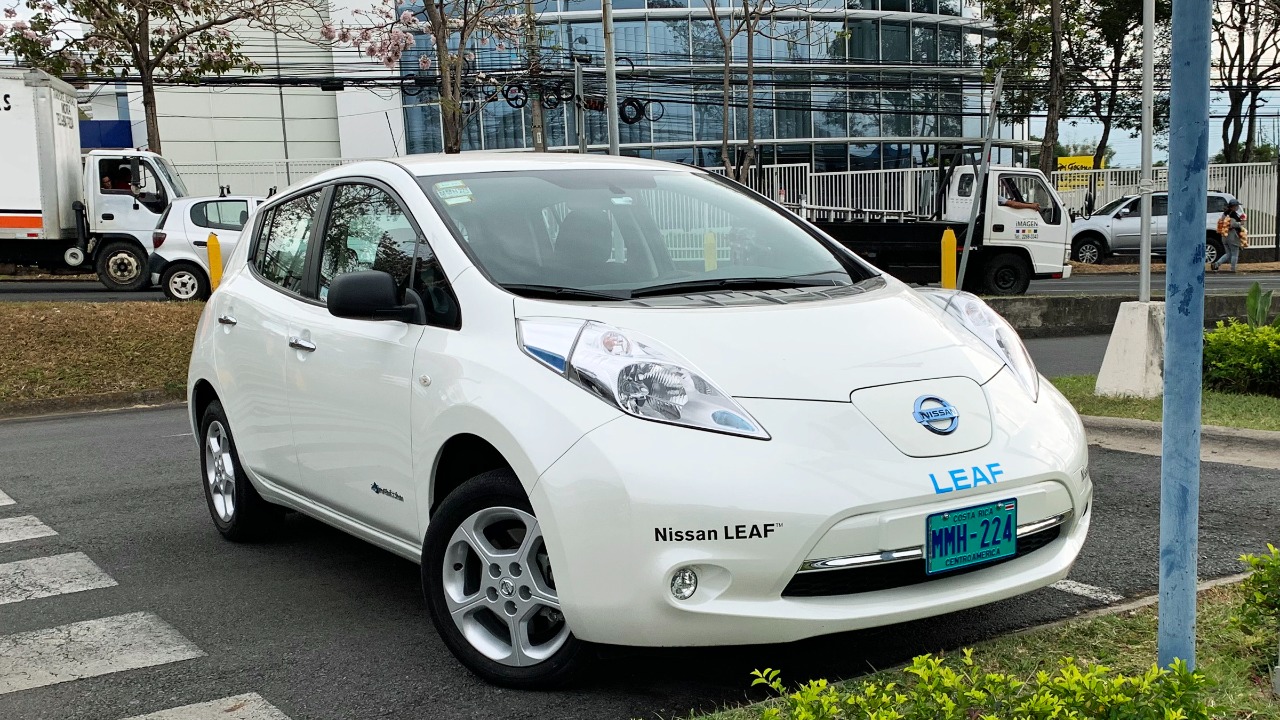
EVs often depreciate faster than traditional cars. Models like the Nissan Leaf have been known to lose a significant portion of their value within the first few years. This rapid depreciation can impact the overall cost of ownership, making it difficult to recover the initial investment upon resale. Depreciation rates can vary widely, but they are an essential factor when calculating the true cost of an EV.
6. Higher Insurance Premiums

Insurance premiums for EVs can be higher due to their expensive components and repair costs. The intricate technology and specialized parts make them more costly to fix, which insurers factor into their pricing models. Consequently, this can add a substantial amount to the annual cost of owning an EV, offsetting potential savings from other areas like fuel efficiency.
7. Maintenance and Repair Expenses

While EVs generally require less maintenance than conventional vehicles, their specialized technology can lead to expensive repairs. For example, if the battery or electric motor needs servicing, it often requires a specialist, which can be pricier than traditional auto repairs. Furthermore, parts may not always be readily available, potentially leading to longer wait times and increased costs.
8. Charging Time Investment
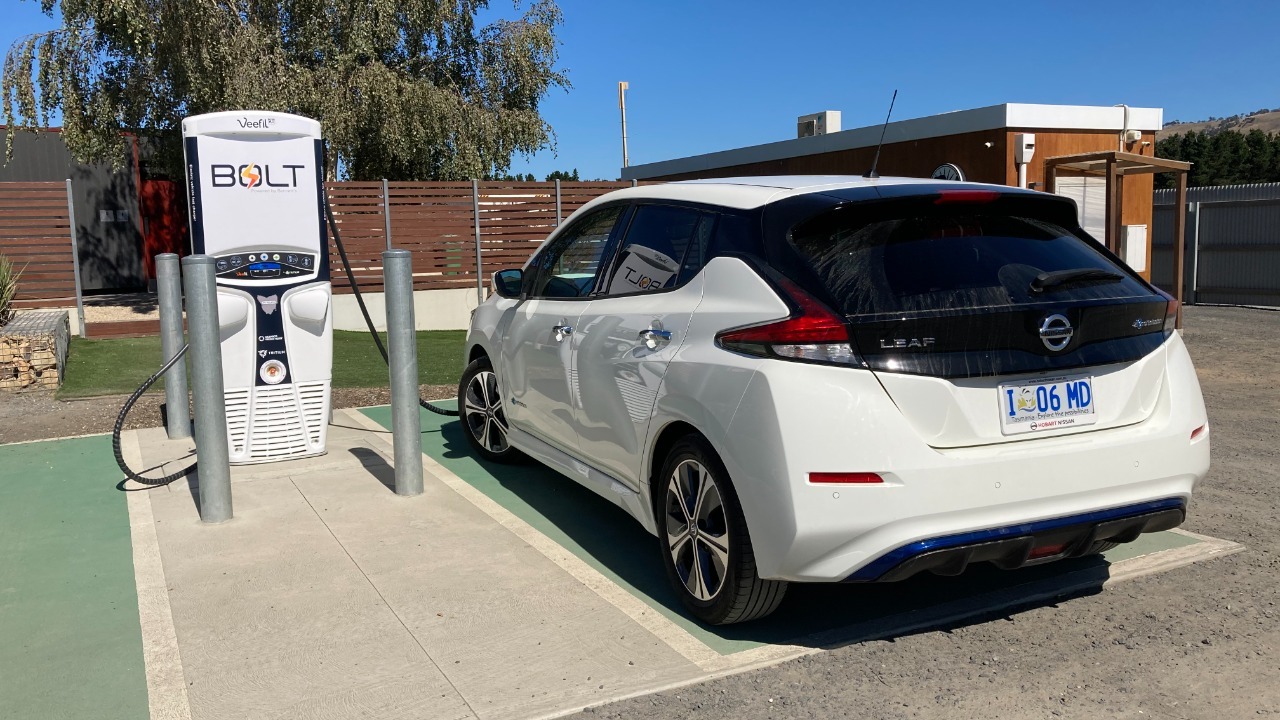
Charging an EV takes significantly longer than refueling a gasoline vehicle. Even with fast chargers, it can take 30 minutes to an hour to achieve a substantial charge, while home chargers may take several hours. This time investment can be inconvenient, especially for those with tight schedules or who frequently drive long distances. Understanding the time commitment involved is essential for potential EV buyers.
9. Resale Market Challenges
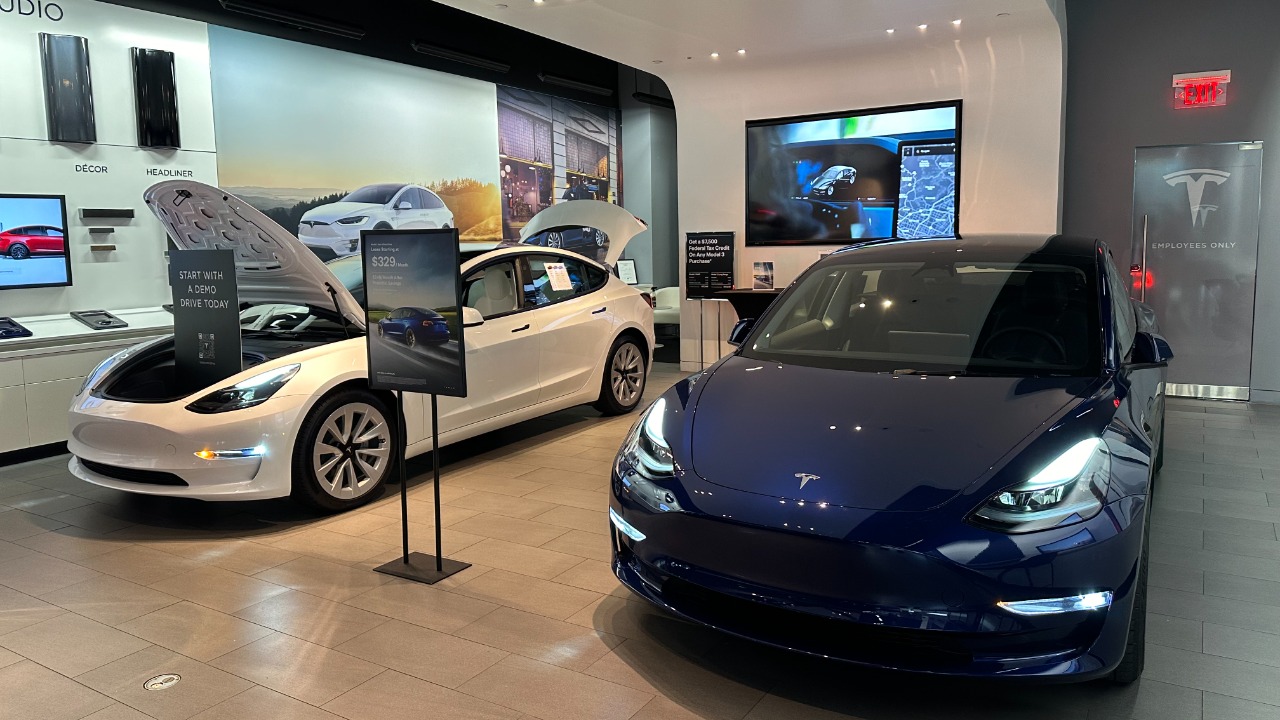
The resale market for EVs is still developing, which can make it challenging to sell an electric car at a fair price. Limited consumer demand and rapidly advancing technology can make older models less appealing. This situation can result in lower resale values and longer selling times, further complicating the financial landscape of owning an EV.
10. Potential Software Update Fees
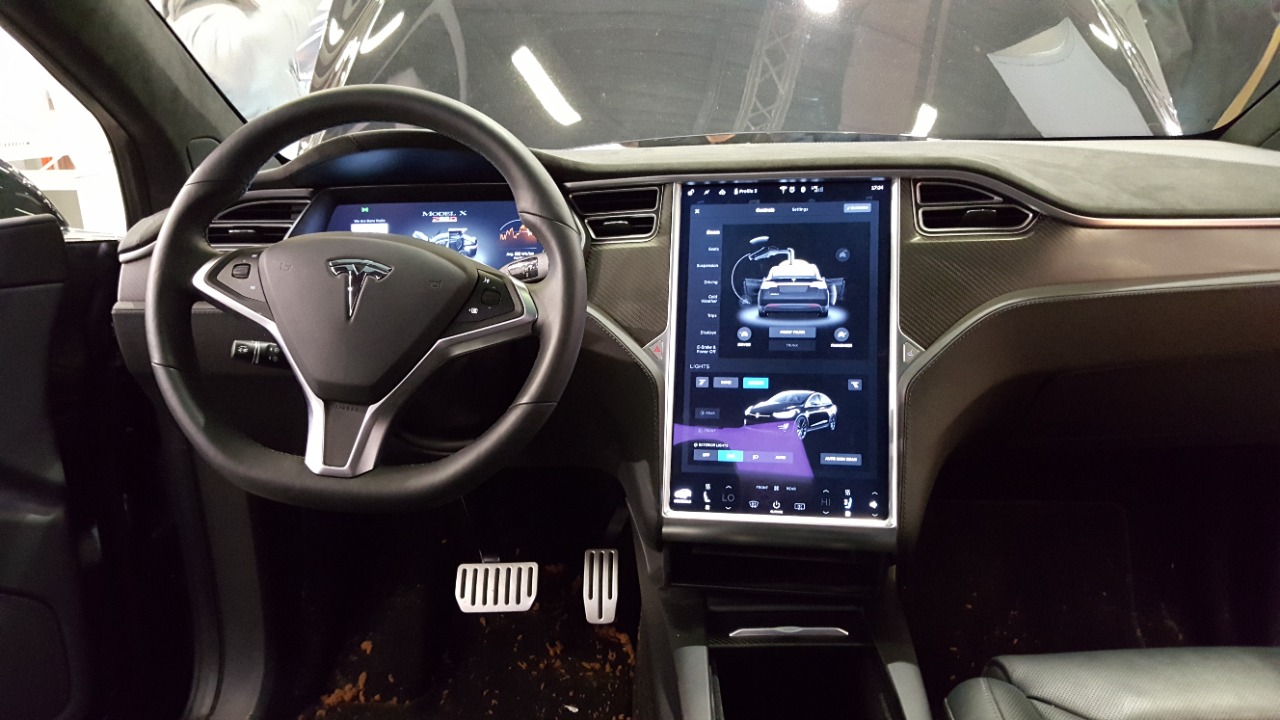
Some EV manufacturers charge for software updates that can enhance or unlock new features. For example, Tesla has been known to offer features like full self-driving capabilities through paid software upgrades. While these updates can enhance the driving experience, they add another layer of cost that potential buyers should consider when evaluating the overall expense of owning an EV. Discussions on online forums often highlight these hidden fees as a concern among current owners.

Cole Whitaker focuses on the fundamentals of money management, helping readers make smarter decisions around income, spending, saving, and long-term financial stability. His writing emphasizes clarity, discipline, and practical systems that work in real life. At The Daily Overview, Cole breaks down personal finance topics into straightforward guidance readers can apply immediately.

