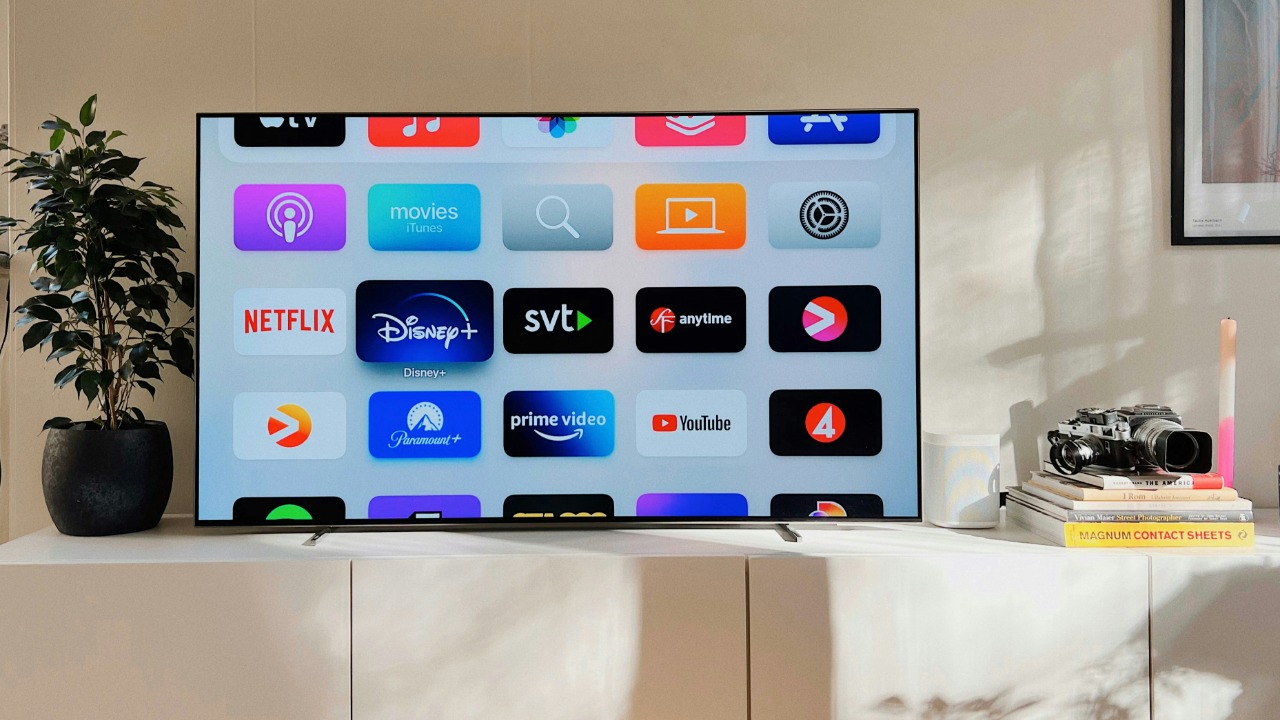
Streaming services have become an integral part of our entertainment landscape, but the costs associated with them are often more than meets the eye. As consumers, we are increasingly finding that the advertised prices are just the tip of the iceberg. Hidden fees and unexpected charges are making these services more expensive than ever. This article delves into ten specific hidden fees that are driving up the cost of streaming services, providing insights into how these charges are structured and what they mean for your wallet.
1) Unannounced Subscription Hikes
One of the most significant contributors to the rising cost of streaming services is the unannounced subscription hikes. Major platforms like Netflix, Disney, Hulu, Peacock, and Max have been quietly increasing their prices, often without prior notice to subscribers. This practice leaves consumers with unexpectedly higher bills, as they are automatically charged the new rates. These price increases are typically justified by the platforms as necessary for improving content quality and expanding their libraries. However, for consumers, these hikes can feel like a breach of trust, especially when they are not clearly communicated in advance.
The impact of these unannounced hikes is significant. Subscribers may find themselves paying more than they initially budgeted for, leading to potential financial strain. Moreover, the lack of transparency can erode consumer trust, making it difficult for streaming services to maintain long-term customer loyalty. As these platforms continue to compete for market dominance, the pressure to increase prices without losing subscribers will likely persist, making it essential for consumers to stay vigilant about their subscription terms and conditions.
2) Ad-Supported Tier Upgrades
Another hidden cost that consumers face is the push to upgrade from ad-supported tiers to ad-free plans. Many streaming services offer lower-priced plans that include advertisements, but the experience can be frustrating enough to encourage users to pay extra for an ad-free experience. This strategy effectively nudges consumers toward more expensive plans, increasing their overall spending on streaming services. According to a report on streaming service price increases, this tactic is becoming increasingly common as platforms seek to maximize revenue from their subscriber base.
While ad-supported plans offer a more affordable entry point, the frequent interruptions can detract from the viewing experience. For many users, the convenience of uninterrupted streaming justifies the additional cost, even if it means spending more than initially planned. This upselling approach highlights the delicate balance streaming services must maintain between offering competitive pricing and maximizing profit margins. As a result, consumers need to carefully evaluate their viewing habits and budget constraints before opting for ad-free upgrades.
3) Premium Feature Surcharges
Premium feature surcharges are another way streaming services increase their revenue. Many platforms offer tiered pricing structures where higher-quality streams, such as 4K resolution or enhanced audio, come at an additional cost. This practice is highlighted in the latest price increase report, which notes that these surcharges can significantly inflate the total cost of a subscription.
For consumers who value high-definition content, these surcharges can be a necessary expense. However, they also represent a hidden fee that can catch subscribers off guard. As streaming services continue to invest in advanced technologies to enhance the viewing experience, the cost of accessing these premium features is likely to rise. This trend underscores the importance of understanding the full scope of a subscription plan before committing to it, as seemingly minor upgrades can lead to substantial increases in monthly bills.
4) Bundled Add-On Channels
Bundled add-on channels are another hidden cost that can drive up the price of streaming services. According to a guide to streaming video services, many platforms offer optional networks and channels that can be added to a base subscription for an additional fee. While these bundles provide access to a wider range of content, they also increase the overall cost of the service.
For consumers, the allure of bundled channels lies in the ability to customize their viewing experience. However, the cumulative cost of these add-ons can quickly add up, leading to higher-than-expected monthly bills. This practice highlights the need for consumers to carefully evaluate which channels they truly value and are willing to pay extra for. By doing so, they can avoid unnecessary expenses and ensure that their streaming budget aligns with their entertainment needs.
5) Live Content Access Fees
Accessing live content on streaming platforms often comes with additional fees. As detailed in a review of the best live TV streaming services, charges for real-time programming can significantly increase the cost of a subscription. These fees are typically associated with sports events, news broadcasts, and other live programming that require special licensing agreements.
For consumers who enjoy live content, these fees can be a necessary expense. However, they also represent a hidden cost that can make streaming services more expensive than anticipated. As the demand for live content continues to grow, streaming platforms are likely to maintain or even increase these fees to cover the costs associated with broadcasting live events. This trend underscores the importance of understanding the full cost of a subscription before committing to it, especially for consumers who prioritize live content in their viewing habits.
6) DVR Storage Extras
Another hidden fee that can increase the cost of streaming services is the charge for DVR storage. Many live TV streaming services offer the option to record and store content for later viewing, but this feature often comes with an additional cost. According to a review of live TV streaming services, these storage extras can significantly inflate the total cost of a subscription.
For consumers who value the flexibility of watching content on their own schedule, DVR storage is a valuable feature. However, the additional cost can be a burden, especially for those who are already paying for multiple streaming services. As platforms continue to enhance their DVR capabilities, the cost of accessing these features is likely to rise. This trend highlights the importance of understanding the full scope of a subscription plan before committing to it, as seemingly minor upgrades can lead to substantial increases in monthly bills.
7) Regional Sports Add-Ons
Regional sports add-ons are another hidden cost that can undermine the savings promised by streaming services. According to a review of cable TV alternatives, these location-based fees can significantly increase the cost of a subscription. For sports fans, access to regional sports networks is often a must-have, but the additional cost can be a burden.
These add-ons are typically offered as optional packages that can be added to a base subscription for an additional fee. While they provide access to local sports events and teams, they also increase the overall cost of the service. This practice highlights the need for consumers to carefully evaluate which sports networks they truly value and are willing to pay extra for. By doing so, they can avoid unnecessary expenses and ensure that their streaming budget aligns with their entertainment needs.
8) Device Compatibility Charges
Device compatibility charges are another hidden fee that can increase the cost of streaming services. According to a review of live TV streaming services, these charges are often associated with hardware or app-related costs. For consumers who want to access their streaming services on multiple devices, these fees can be a significant expense.
While device compatibility is an important feature for many consumers, the additional cost can be a burden, especially for those who are already paying for multiple streaming services. As platforms continue to expand their device compatibility options, the cost of accessing these features is likely to rise. This trend underscores the importance of understanding the full scope of a subscription plan before committing to it, as seemingly minor upgrades can lead to substantial increases in monthly bills.
9) Overlooked Tax Layers
Taxes and regulatory fees are often overlooked costs that can increase the price of streaming services. According to a guide to streaming video services, these mandatory levies are typically layered on top of base subscription rates, leading to higher-than-expected bills.
For consumers, these fees can be a frustrating expense, as they are often not clearly communicated in advance. As streaming services continue to expand their reach, the cost of complying with local tax regulations is likely to rise. This trend highlights the importance of understanding the full cost of a subscription before committing to it, as seemingly minor fees can lead to substantial increases in monthly bills.
10) Household Account Limits
Household account limits are another hidden cost that can increase the price of streaming services. According to a report on streaming service price increases, many platforms enforce limits on the number of devices that can access a single account, often requiring additional subscriptions for shared use.
For consumers who want to share their streaming services with family members, these limits can be a significant expense. As platforms continue to enforce these limits, the cost of accessing streaming services is likely to rise. This trend underscores the importance of understanding the full scope of a subscription plan before committing to it, as seemingly minor restrictions can lead to substantial increases in monthly bills.
More From TheDailyOverview
- Dave Ramsey says these two simple questions show whether you’re rich or poor
- Retired But Want To Work? Try These 18 Jobs for Seniors That Pay Weekly
- IRS raises capital gains thresholds for 2026 and what’s new
- 12 ways to make $5,000 fast that actually work

Silas Redman writes about the structure of modern banking, financial regulations, and the rules that govern money movement. His work examines how institutions, policies, and compliance frameworks affect individuals and businesses alike. At The Daily Overview, Silas aims to help readers better understand the systems operating behind everyday financial decisions.

