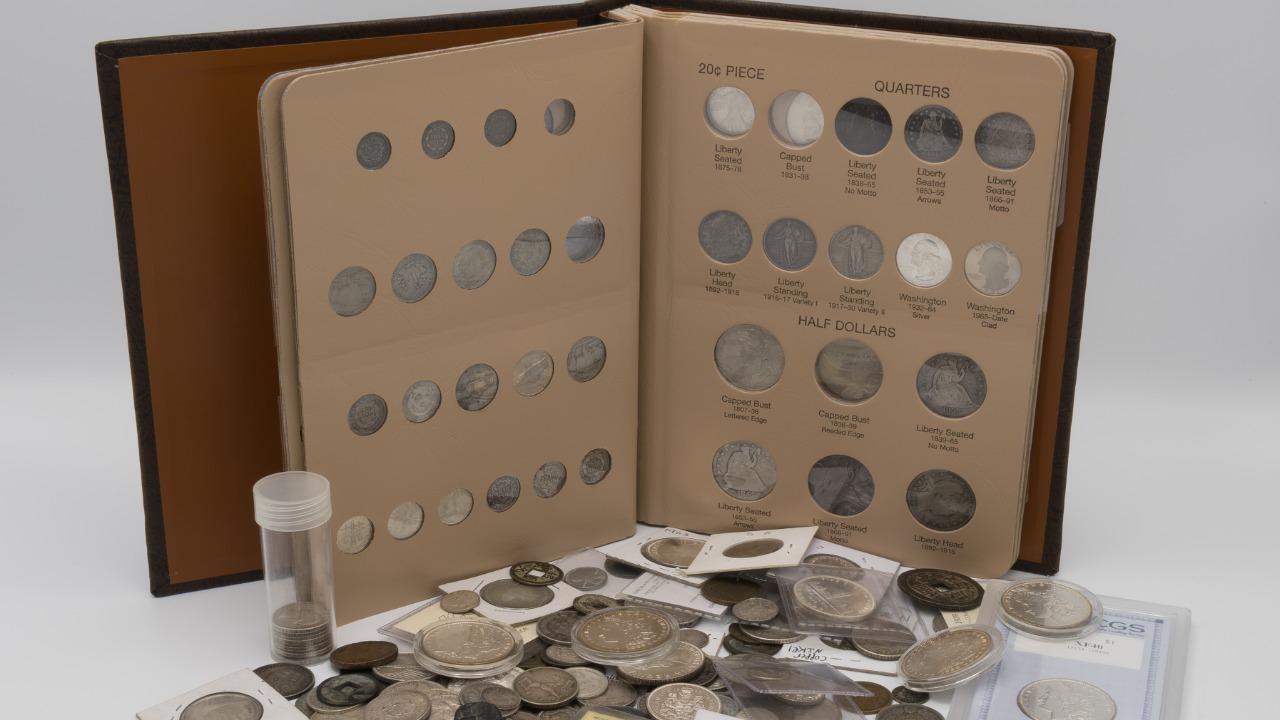
Building a coin collection can be a rewarding hobby, but certain mistakes can significantly diminish its value. Whether you’re a seasoned collector or a novice, avoiding these pitfalls is crucial to preserving the worth of your coins. Here are ten common mistakes that could be tanking your coin collection’s potential.
Neglecting Proper Storage Conditions
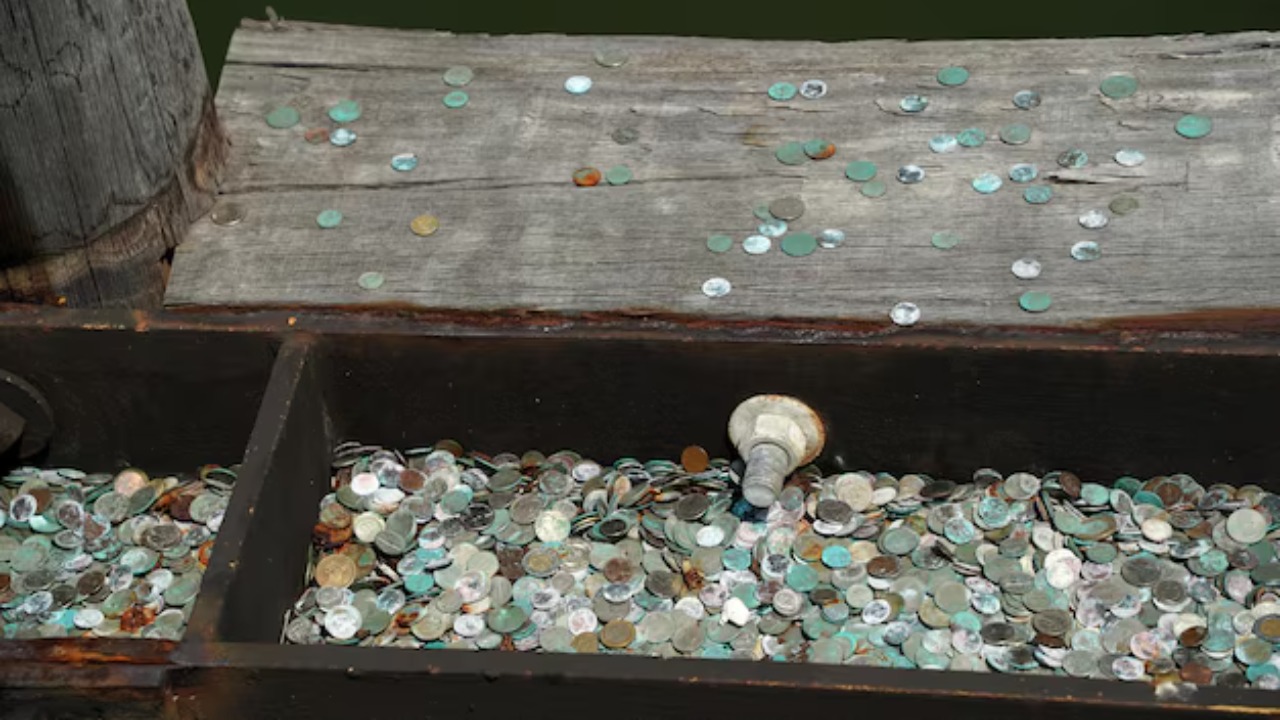
Proper storage is essential when it comes to maintaining the condition and value of your coin collection. Failing to store coins in a cool, dry place can lead to tarnishing, corrosion, and other damage. Use appropriate storage materials such as acid-free holders or coin capsules to protect your investment. Avoid storing coins in humid or fluctuating temperature environments, as these can accelerate deterioration. By paying attention to storage conditions, you can safeguard your collection’s value for the long term.
Failing to Authenticate Rare Coins
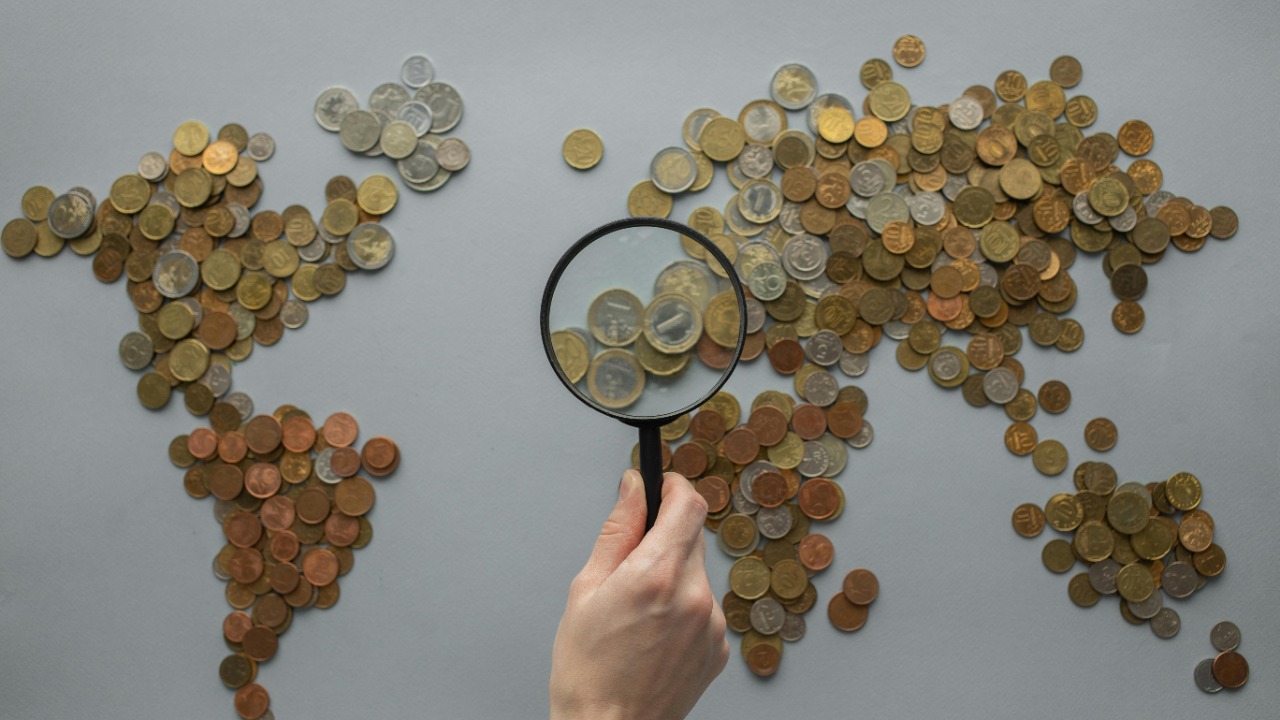
Authentication is vital, especially for rare coins, as counterfeits are prevalent in the market. Without proper authentication, you might unknowingly invest in a fake, severely impacting your collection’s value. Utilize professional services or organizations, such as the American Numismatic Association, to verify the authenticity of your coins. Additionally, gaining authentication certificates can enhance your coins’ marketability and value, offering peace of mind and assurance of authenticity.
Ignoring Regular Cleaning and Maintenance
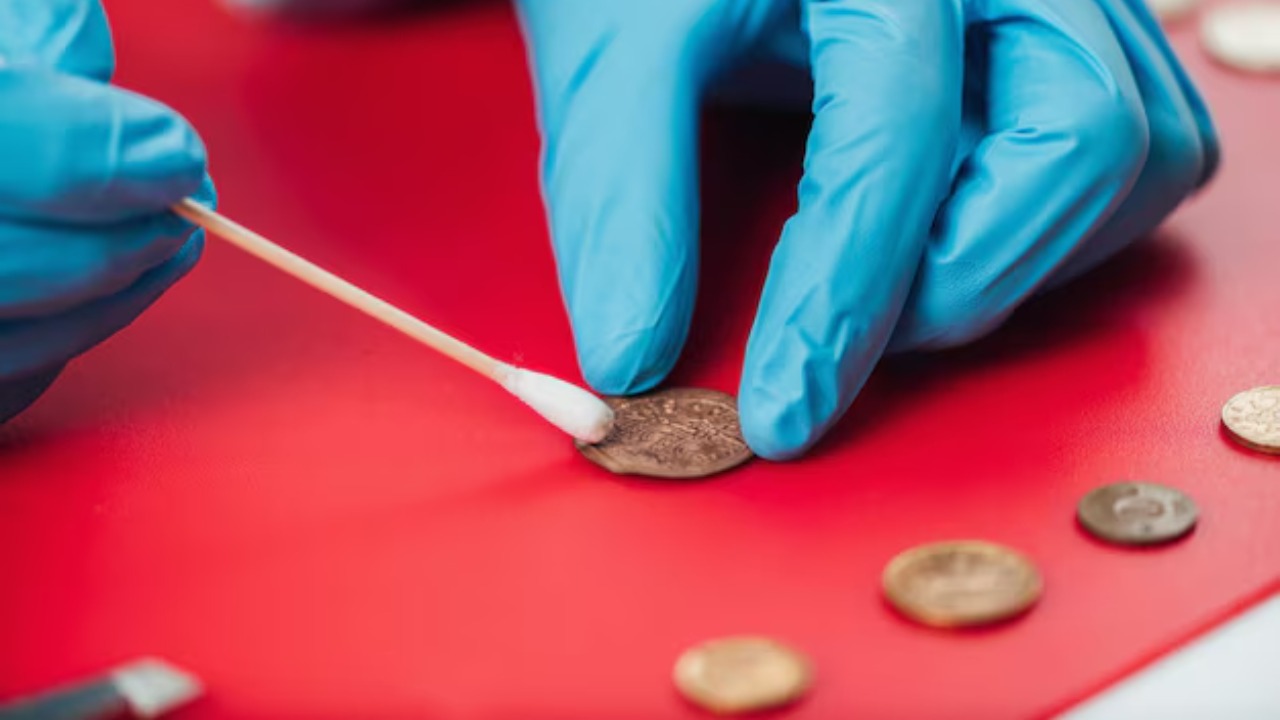
While it might be tempting to clean your coins to make them shine, improper cleaning can cause irreparable damage. Avoid using harsh chemicals or abrasive materials, as these can scratch or degrade the coin’s surface. Instead, use recommended techniques such as gentle rinsing with distilled water and patting dry with a soft cloth. Regular maintenance not only keeps your coins in good condition but also helps in retaining their value over time.
Overlooking Market Trends and Values
Staying informed about market trends and values is crucial for any coin collector. Ignoring these can result in missed opportunities or overpaying for coins. Resources like Yahoo Finance offer insights into which coins are increasing in value. By keeping an eye on market fluctuations, you can make informed decisions on when to buy or sell, maximizing the potential of your collection.
Acquiring Coins without Research
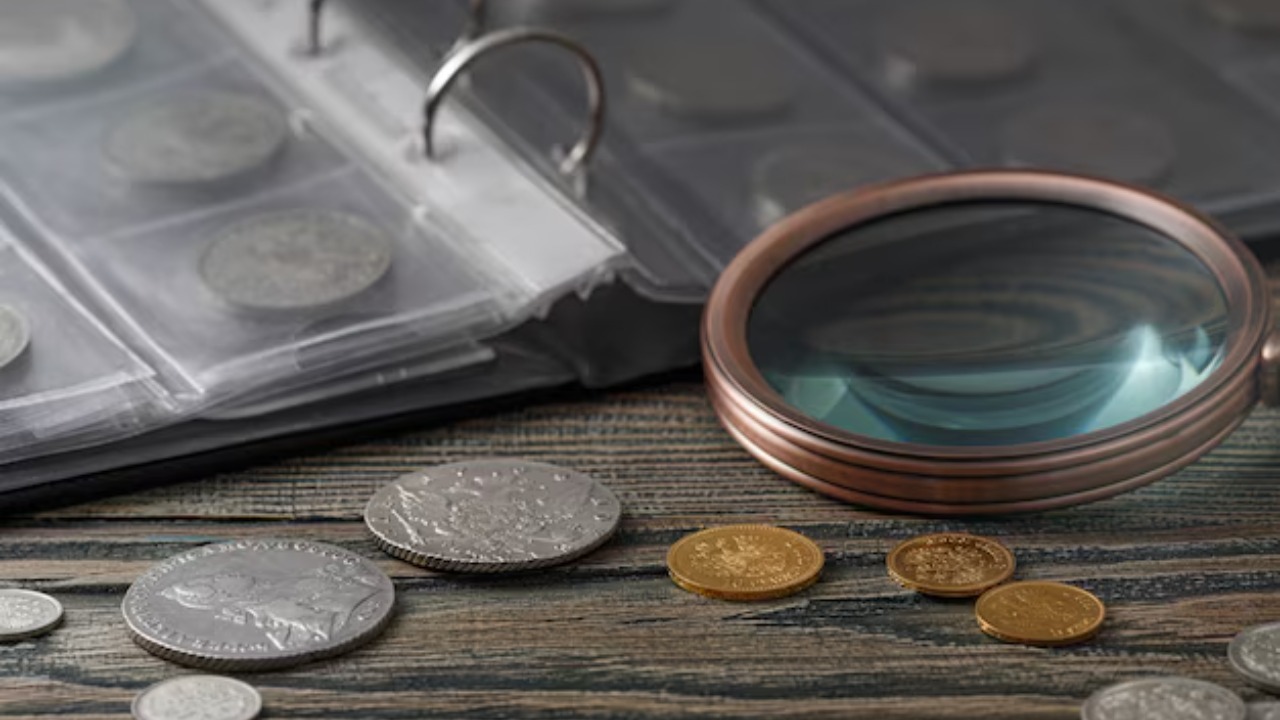
Buying coins without proper research can lead to poor investment decisions. Understanding the history, rarity, and demand of a coin is essential before making a purchase. Utilize resources such as books and online forums to gather information. By conducting thorough research, you can ensure that each addition to your collection is a smart investment.
Mixing Coins of Different Metals
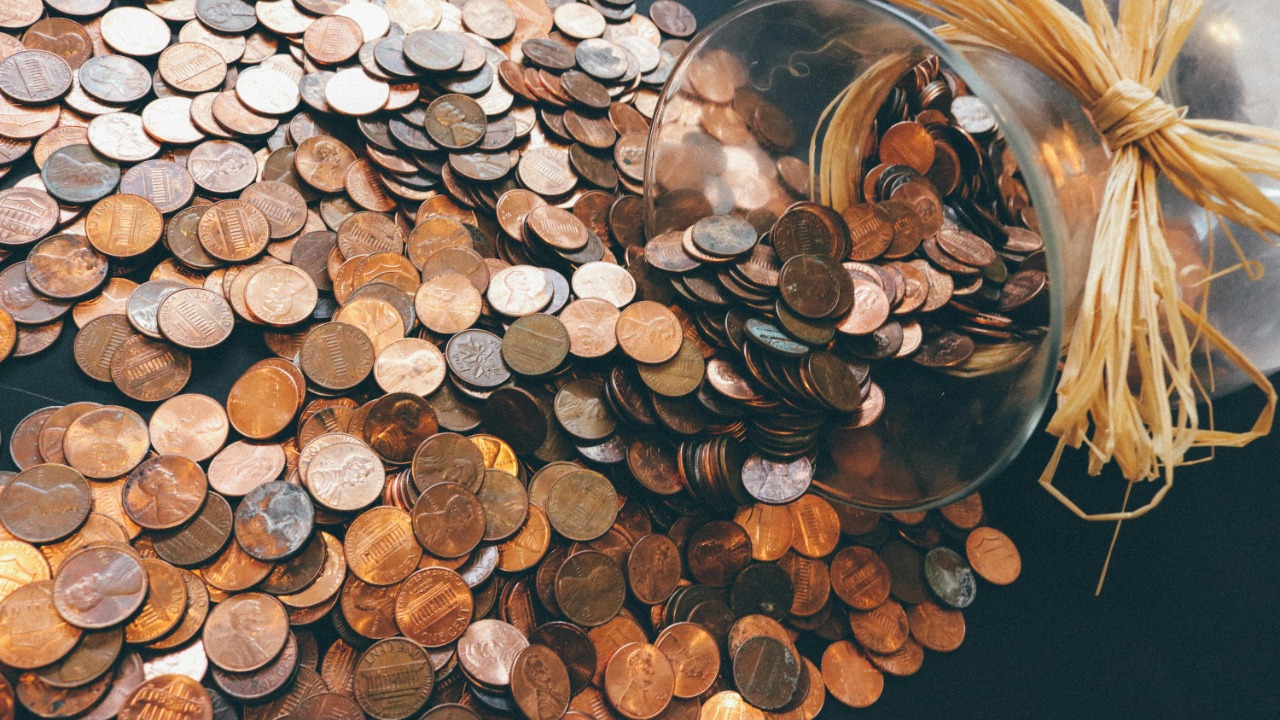
Storing coins made from different metals together can lead to chemical reactions that damage the coins. For example, copper coins stored with silver coins can cause a reaction that results in tarnishing. Keep coins made of different metals separate to prevent such issues. Use designated holders or compartments for each type of metal to maintain the integrity and appearance of your collection.
Disregarding Professional Grading
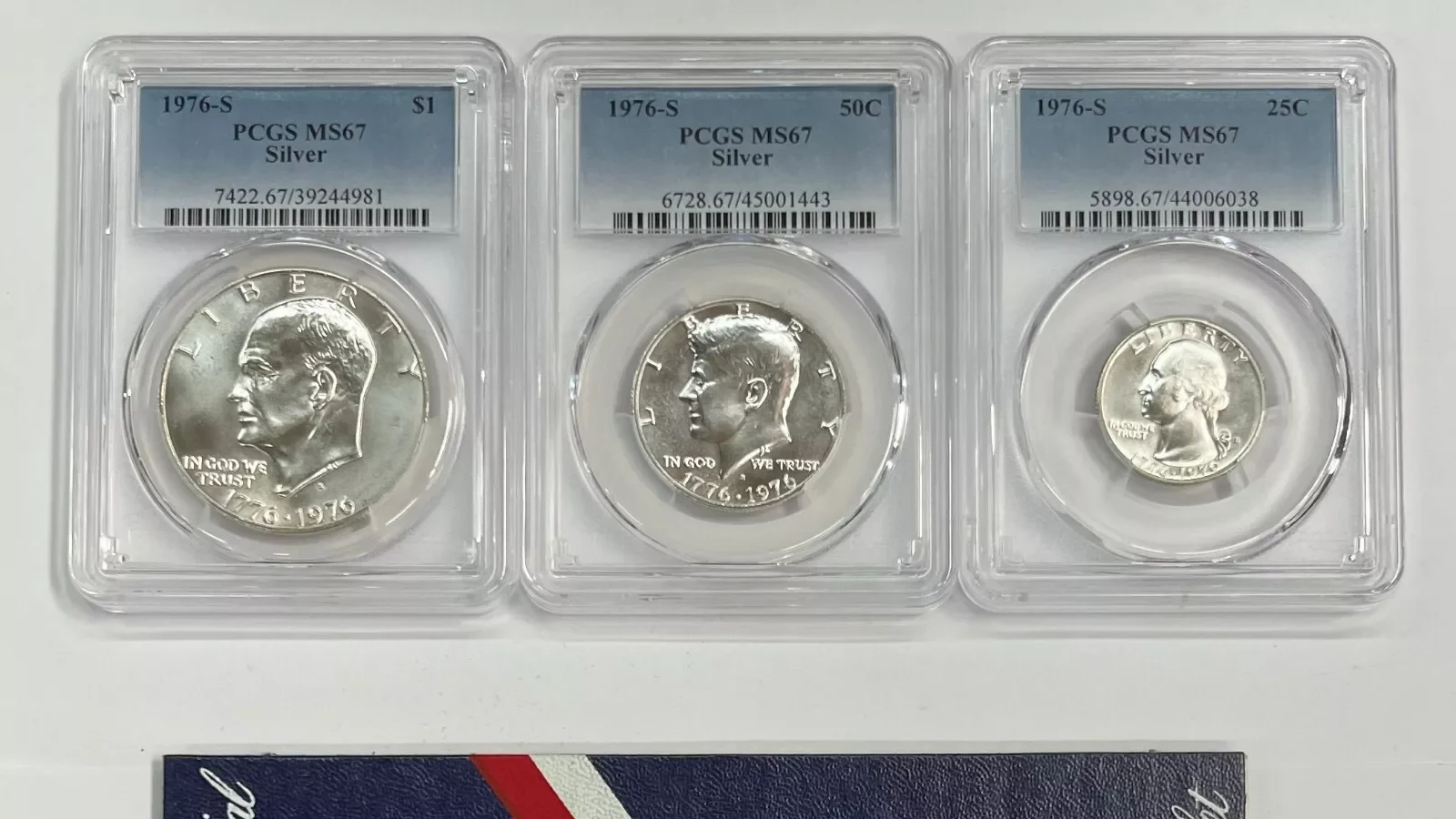
Professional grading provides an objective assessment of a coin’s condition and can greatly influence its market value. Disregarding this step could lead to undervaluing your collection. Grading also offers credibility when selling coins, as buyers rely on these assessments. Consider using reputable grading services to evaluate your collection. This can enhance its value, making it more attractive to potential buyers.
Trading with Inadequate Knowledge
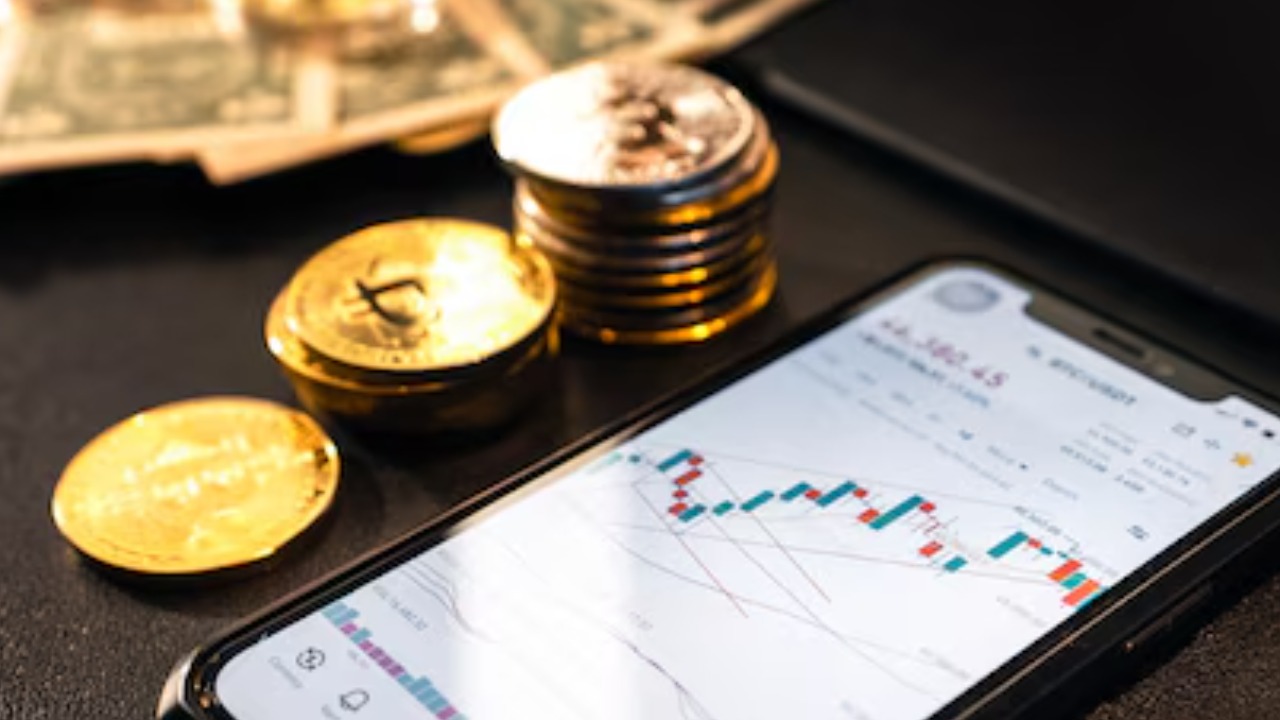
Entering trades without sufficient knowledge can result in unfavorable deals. Understanding the coins’ values, history, and market demand is crucial to negotiating effectively. Online communities such as Reddit provide platforms for sharing experiences and learning from others. By educating yourself before trading, you can make informed decisions, ensuring that your trades enhance rather than diminish your collection’s worth.
Underestimating the Importance of Provenance
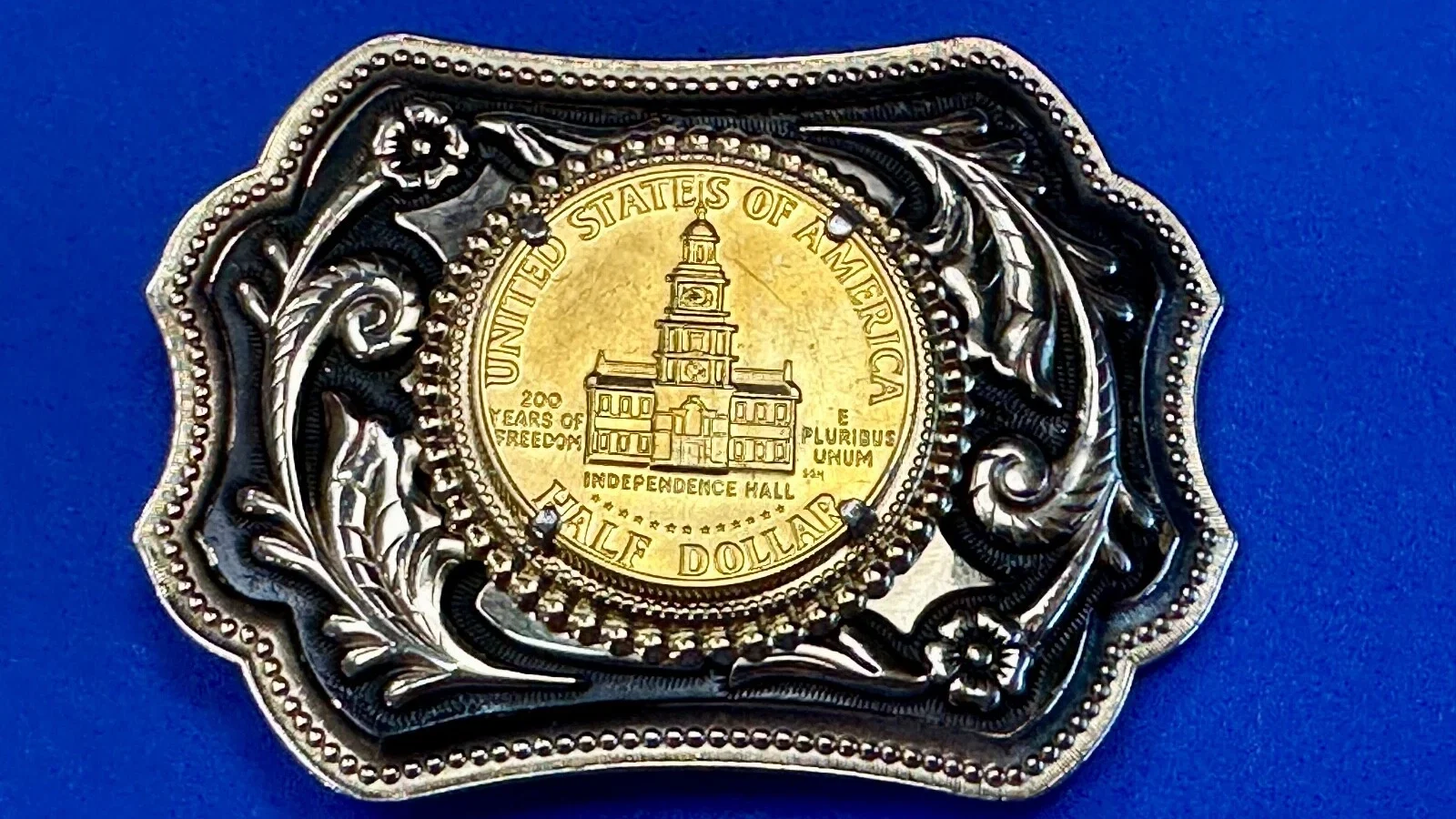
The history or provenance of a coin can significantly impact its value. Coins with documented provenance are often more valuable as they come with a verifiable history. Ensure you have adequate documentation or records for your coins, which can be particularly valuable when selling. A well-documented collection can attract higher bids, as collectors are often willing to pay a premium for coins with an interesting or significant background.
Failing to Insure Your Collection
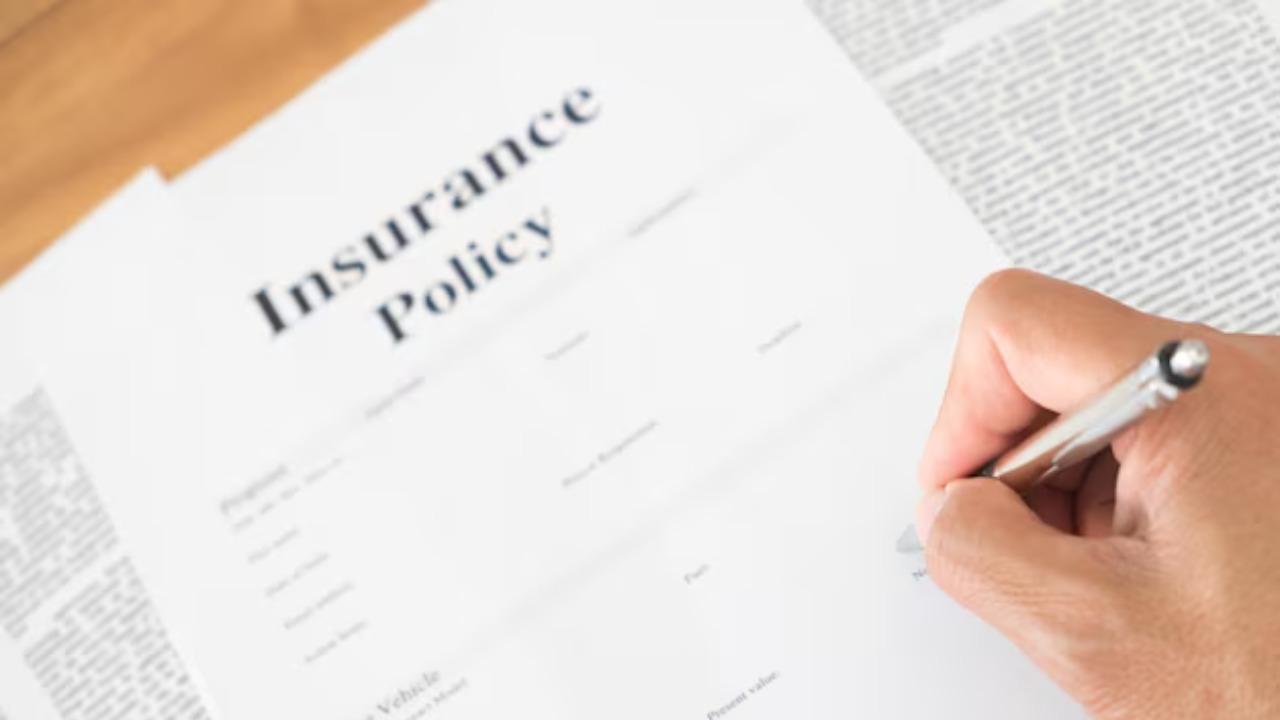
Without insurance, your collection is vulnerable to unexpected events like theft or natural disasters. Insuring your collection provides protection and peace of mind, ensuring that you are compensated in the event of loss or damage. Consider specialized insurance policies that cater to collectibles, as these offer coverage tailored to the unique needs of coin collectors. Protecting your investment through insurance is a vital step in preserving its value.

Cole Whitaker focuses on the fundamentals of money management, helping readers make smarter decisions around income, spending, saving, and long-term financial stability. His writing emphasizes clarity, discipline, and practical systems that work in real life. At The Daily Overview, Cole breaks down personal finance topics into straightforward guidance readers can apply immediately.
